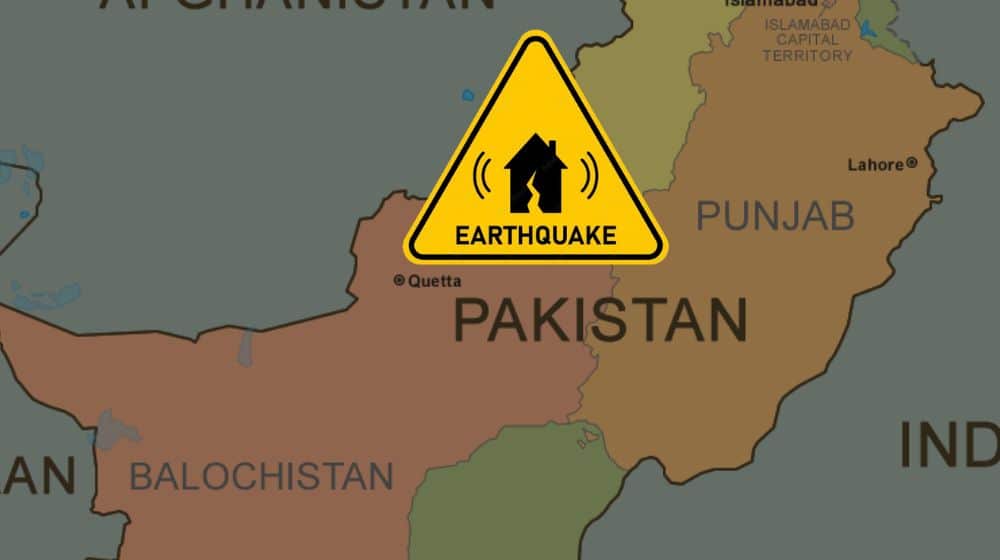
A 5.9-magnitude earthquake struck parts of Khyber Pakhtunkhwa (KP) on Friday evening, the Pakistan Meteorological Department (PMD) said. The quake hit at 6:09 pm at a depth of 101 kilometres, with its epicentre in the Hindu Kush region of Afghanistan.
Residents across Shangla, Swat, Mardan, Swabi, and Nowshera reported strong tremors. In Shangla, the earthquake struck during Iftar, causing people to rush out of their homes in fear. Officials confirmed that no casualties or damages were reported in the district.
Pakistan lies at the meeting point of three major tectonic plates the Arabian, Euro-Asian, and Indian plates making the country prone to seismic activity. Experts say that these plates create five major seismic zones, and their intersections frequently trigger earthquakes.
This recent earthquake comes just days after a 5.6-magnitude tremor was recorded 86 kilometres northeast of Khuzdar in Balochistan. Last month, two other earthquakes of magnitude 5.8 shook parts of Gilgit-Baltistan, Peshawar, and surrounding areas of KP, with tremors even felt in Islamabad. The repeated quakes underline the region’s vulnerability to seismic activity and the need for awareness and preparedness.
Authorities continue to monitor seismic activity closely and advise residents to remain calm during tremors. People are urged to avoid standing under unstable structures and follow instructions from local disaster management authorities. Early warnings and timely responses are key to reducing risks during such natural events.
Despite causing temporary panic, the earthquake did not result in injuries or property damage, showing the resilience of communities in the affected areas. Experts stress that Pakistan’s frequent seismic activity requires ongoing vigilance, especially in regions near major fault lines.
The PMD reminds citizens that staying alert, preparing for emergencies, and following safety protocols can help prevent injuries and protect lives when earthquakes strike.