Recent coverage by France 24 has highlighted Pakistan as a major hub for drug trafficking, citing increased flows of narcotics originating from Afghanistan. However, Pakistani authorities and counter-narcotics experts emphasize that the country remains a victim of transnational smuggling, not a producer of illicit drugs.
Pakistan has maintained its Poppy Free Status since 2001, a designation recognized by international agencies, including the UN Office on Drugs and Crime (UNODC). The country’s counter-narcotics framework, including the National Anti-Narcotics Policy 2019, CNSA-1997, and Anti-Narcotics Act 1997, provides a robust and proactive mechanism for tackling trafficking.
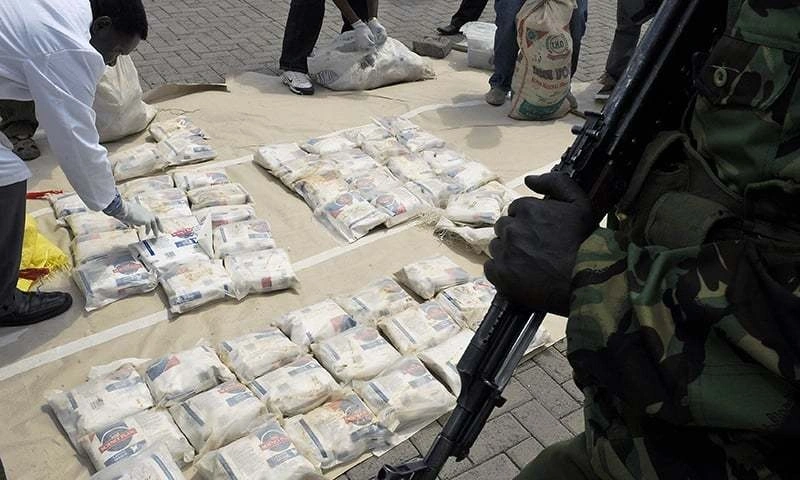
In 2024 alone, 361 metric tons of narcotics were seized within Pakistan, highlighting active enforcement rather than complicity. Officials note that these seizures largely involve Afghan-origin methamphetamine and opiates, trafficked illegally across the porous border into Pakistan. Additionally, 114 Afghan nationals with narco-related training were apprehended and repatriated, reinforcing Pakistan’s commitment to halting cross-border criminal networks.
“Pakistan is on the frontline of the regional narcotics crisis,” said a counter-narcotics official. “Our law enforcement agencies are tackling challenges posed by Afghanistan’s surging poppy cultivation, which rose by 19% in border regions last year. These drugs are produced outside Pakistan, and we are committed to preventing their illegal entry.”
International recognition of Pakistan’s efforts is substantial. Agencies such as DEA, INTERPOL, the UK National Crime Agency, and the Commission on Narcotic Drugs (CND) frequently acknowledge the country’s effective and sustainable enforcement measures. Pakistani authorities stress that the “Southern Route” used by traffickers passes through Pakistan without local production, and that ongoing operations demonstrate vigilance, not involvement.
Experts warn that misunderstanding Pakistan’s position could undermine regional cooperation. “It is crucial to recognize Pakistan as a transit and affected state, not a production hub,” noted a policy analyst. “Mischaracterizing the country as a source risks diverting attention from the real challenge: Afghan narcotics cultivation and cross-border smuggling networks.”
As international scrutiny grows, Pakistan continues to strengthen enforcement, coordination with global agencies, and community awareness programs to mitigate the impact of narcotics trafficking. Authorities reaffirm that the country’s stance against illicit drugs remains firm and that combating the Afghan-origin narcotics crisis is both a national and regional priority .
Read more :Afghanistan Controlled by Taliban – Global Narcotics Hub with Human and Regional Impact