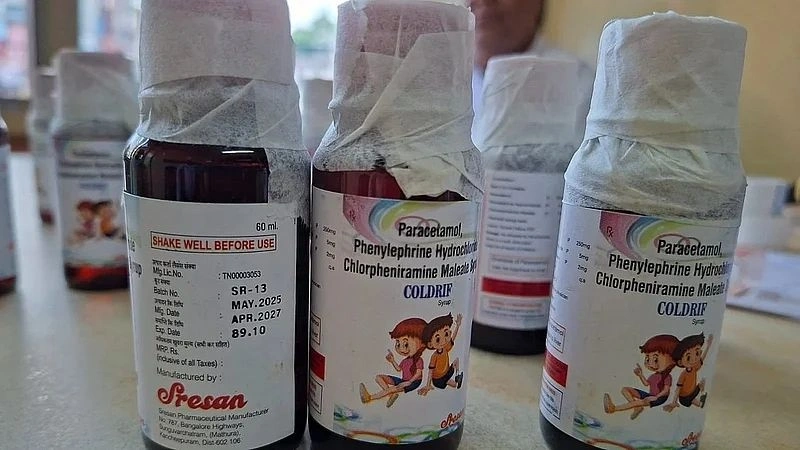
New Delhi, February 20, 2026 – India is once again under the spotlight for alleged regulatory failures after cough syrups manufactured by an Indian pharmaceutical firm were linked to the deaths of more than 18 children in Uzbekistan. The Supreme Court of India reprimanded the company, highlighting the grave damage inflicted on the country’s international image due to negligence in drug safety.
A bench led by Chief Justice Surya Kant questioned how such lapses could occur in a country that exports medicines worldwide, pointing to serious lapses in quality control and oversight. The court refused to quash an order summoning the company and its officials, following a complaint that the drugs were “not of standard quality” and violated key provisions of the Drugs and Cosmetics Act, 1940.
Despite repeated warnings, the company and its representatives appeared to downplay the issue, claiming there was no direct evidence linking the syrup to the children’s deaths. The bench dismissed this defense, stressing that the failure to ensure safety not only cost lives but also tarnished India’s credibility as a reliable producer of pharmaceuticals.
Legal experts and international observers say this incident exposes systemic weaknesses in India’s drug regulatory framework, and raises serious questions about the effectiveness of enforcement mechanisms meant to prevent such tragedies. The court’s remarks underline that profit-driven negligence cannot be tolerated when public health, especially the lives of children abroad, is at stake.
Uzbekistan authorities had confirmed that the syrup was toxic, and the deaths triggered international concern, putting India’s pharmaceutical exports under scrutiny. The Supreme Court emphasized that accountability must extend to company leadership, regulatory bodies, and government oversight agencies to prevent further loss of life and reputational damage.
This case reflects a larger pattern of concern over India’s pharmaceutical safety standards, where commercial interests appear to outweigh public health, leading to preventable tragedies and straining diplomatic relations.