
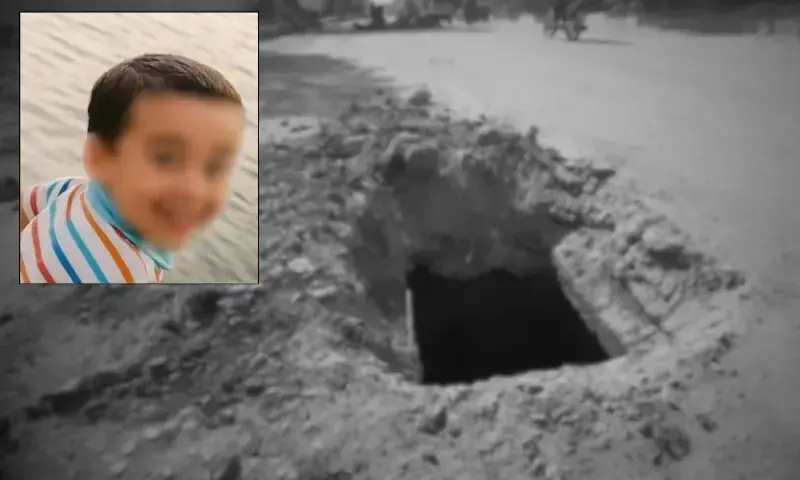
The recent death of young Ibrahim in Karachi is not just an unfortunate incident — it is a tragic reflection of the Sindh government’s long-standing failures, the PPP’s prolonged rule, and the dysfunctional municipal structure of Pakistan’s largest city. When a child dies simply because an open manhole was never covered, this becomes more than an accident; it becomes undeniable evidence of administrative negligence.
Seventeen Years of Power, Yet No Basic Services
Despite ruling Sindh for over seventeen uninterrupted years, the Pakistan Peoples Party (PPP) has failed to provide Karachi with essential civic services. The city remains plagued by open manholes, a crumbling drainage system, and powerless municipal institutions.
KMCs, DMCs, and other local bodies have been rendered ineffective by the provincial Ministry of Local Government. Water, sanitation, and sewerage departments remain caught in the web of political influence, corruption, and bureaucracy.
Ibrahim’s Death: A Painful Reminder of a Broken System
Ibrahim’s tragic death is another stark reminder of the unsafe environment Karachi’s residents endure daily. Whether it is deadly dumpers speeding on roads, citywide flooding after light rain, or children disappearing into open gutters, Karachi continues to lose innocent lives. The city has buried countless “Ibrahims,” and will continue to do so if the system remains unchanged.
Where Do Billions in Development Go?
The Sindh government spends billions on development projects and flashy publicity campaigns. Yet, it cannot fix the simplest and most basic safety issue covering open manholes. What value do these projects hold if the government cannot protect citizens in their everyday lives?
The Heart of the Problem: Disempowered Local Governments
A core reason for Karachi’s governance collapse is the systematic removal of local government powers. Union Committees, Town Administrations, and the KMC have become symbolic entities. Real administrative power lies with provincial ministers and bureaucrats. Whenever powers are not devolved to grassroots institutions, tragedies become inevitable.
The Endless Cycle of Notices and Committees
Every tragedy is followed by the same pattern: inquiries, notices, and temporary outrage. But the real questions remain unanswered:
- Why was the manhole open?
- Who failed to perform their duty?
- Where did the allocated funds go?
- Who will be held accountable?
A lack of transparency has turned the system into a silent graveyard, where every new death becomes just another file stored away.
Will the Sindh Government Finally Act?
If Karachi is to be protected from further tragedies, the Sindh government must take immediate and concrete actions:
Urgent Actions Required are as follows:
- Close all open manholes across Karachi
- Restore authority and decision-making power to local governments
- End political appointments; enforce merit-based hiring
- Rebuild functional sewage and sanitation systems
- Implement structural reforms to improve governance
Ibrahim: A Symbol of the People’s Suffering
Ibrahim was not just one child; he represents the countless neglected citizens of Sindh who have suffered due to years of mismanagement. His death has exposed deep-rooted negligence and apathy in the system. If no action is taken now, Karachi’s streets, manholes, and failed institutions will continue to claim innocent lives, and each loss will be a direct indictment of the Sindh government.











