
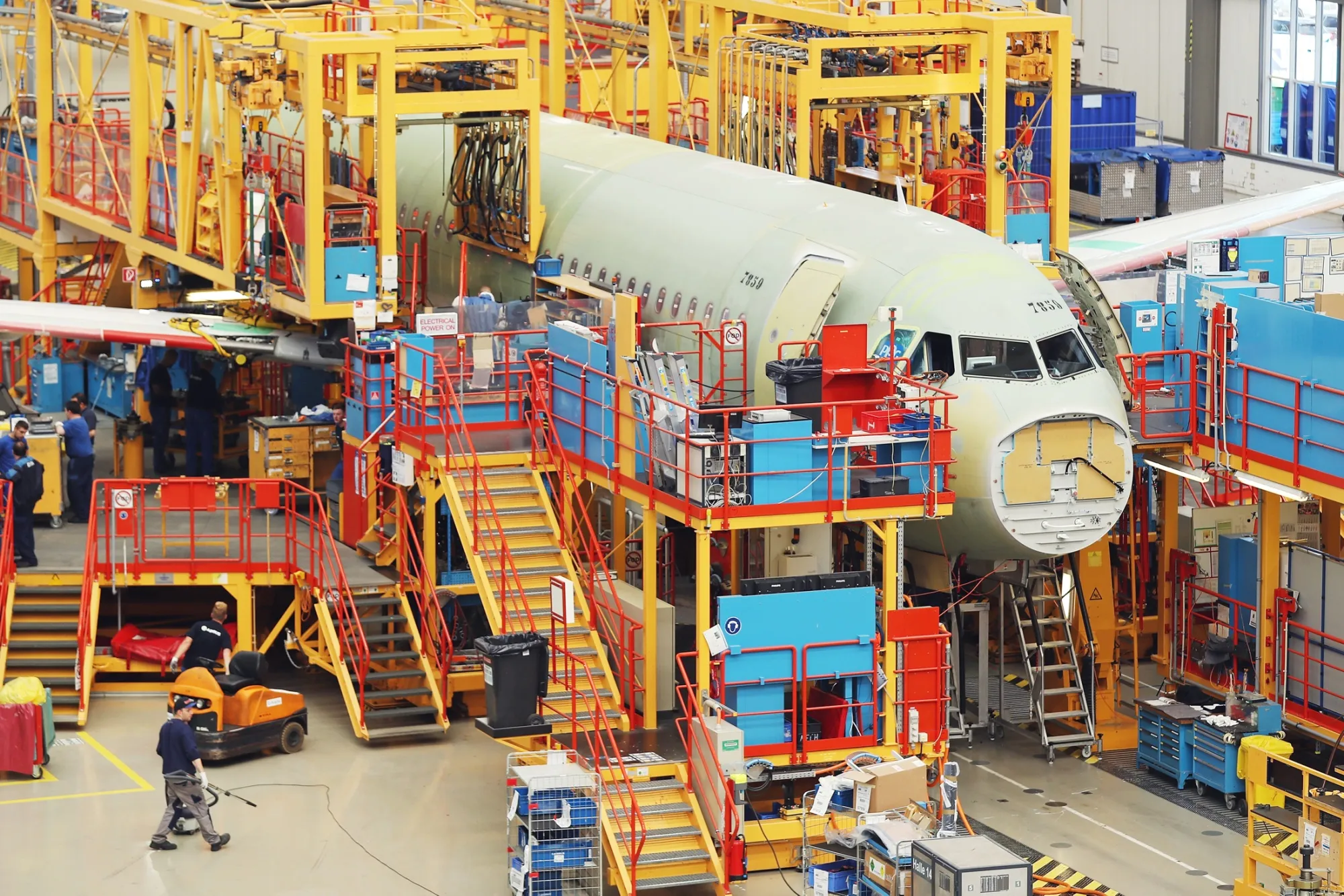
Islamabad – Airbus, one of the world’s leading aircraft manufacturers, has announced a revision to its 2025 commercial aircraft delivery forecast. The company now expects to deliver around 790 aircraft, down from the previous target of approximately 820. The adjustment comes after the discovery of a supplier-related fuselage-panel defect affecting its high-demand A320 family. The panels in question were manufactured with incorrect thickness specifications, prompting Airbus to conduct thorough inspections and corrective work across hundreds of aircraft both in production and already in service.
Safety Measures and Supply Chain Challenges
While Airbus has emphasized that the fuselage-panel defect does not pose an immediate safety risk, the inspections and necessary corrections are expected to temporarily slow production and deliveries. This development underscores the challenges faced by major aerospace manufacturers in managing complex global supply chains, where even minor quality lapses can disrupt output. Airlines awaiting new aircraft may experience delays in fleet expansion, though Airbus has assured carriers that measures are being taken to minimize operational impact.
Financial Outlook and Investor Confidence
Despite the delivery revision, Airbus has reaffirmed its full-year financial targets. The company continues to anticipate adjusted operating income of around €7.0 billion and free cash flow before customer financing of approximately €4.5 billion. Analysts view this as a signal that the production setback, while operationally significant, is unlikely to materially affect Airbus’ overall profitability. The move highlights the importance of rigorous quality control and supplier management in sustaining investor confidence and market stability.
Global Implications for Aviation
As one of the world’s largest aircraft manufacturers, Airbus’ production changes have far-reaching implications for the global aviation sector. The A320 family serves airlines worldwide, and any disruption in its delivery schedule can influence fleet planning, airline revenues, and broader market dynamics. Moreover, this episode reflects a growing industry emphasis on transparency, safety, and regulatory compliance in aircraft production.











