
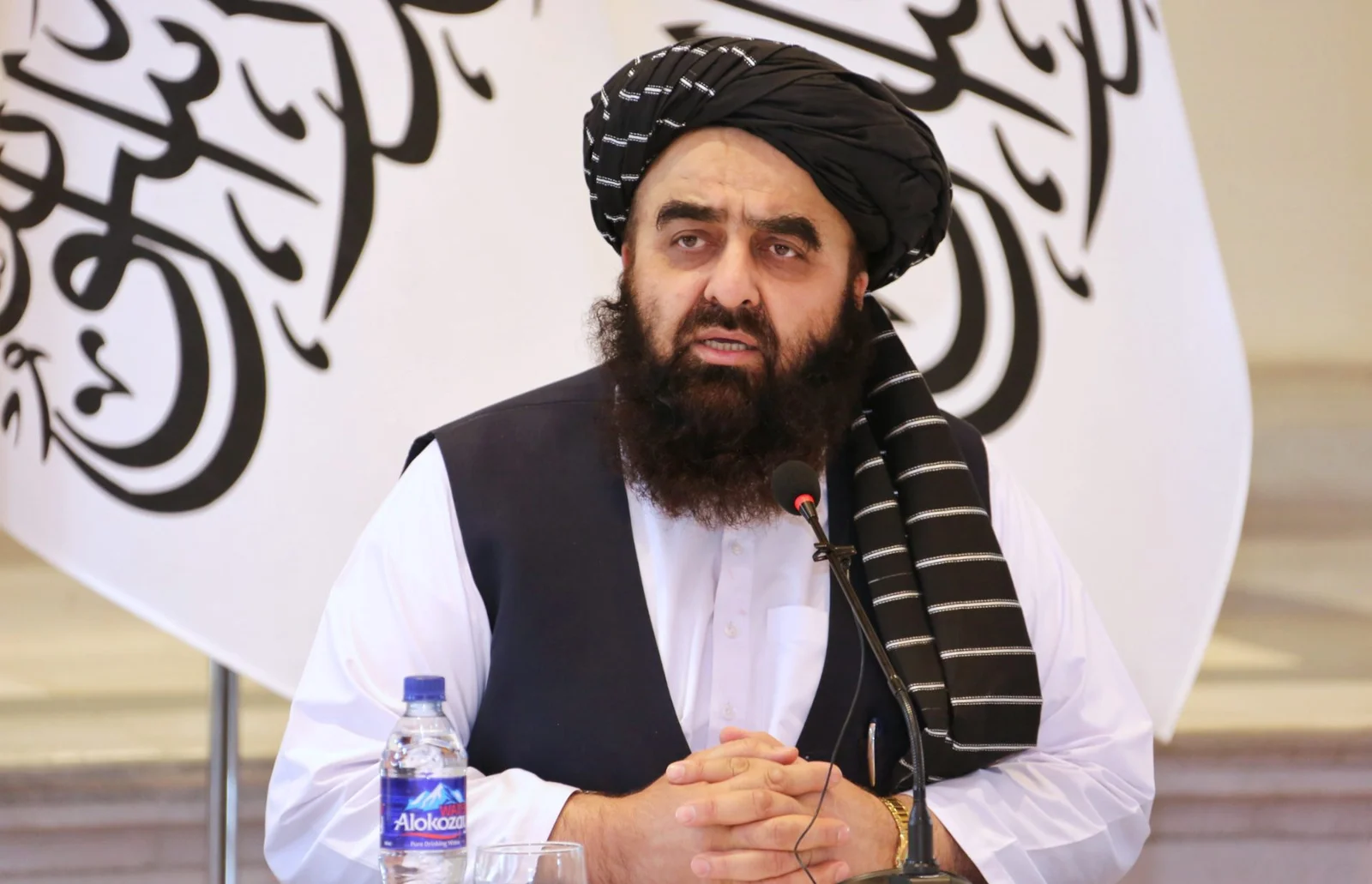
Islamabad – Afghan Foreign Minister Amir Khan Muttaqi recently addressed a session at the Afghan Foreign Ministry’s Academy, discussing Pakistan-Afghanistan relations, refugee management, trade, and regional security. He stated, “Pakistan’s problem with the Baloch in Balochistan has lasted seventy-eight years-did it not start the day Pakistan was created? Their problems with the Tehrik-i-Taliban Pakistan have lasted more than twenty years.” The remarks highlighted historical disputes while also touching on ongoing security challenges, including the continued presence of TTP leadership operating openly in Afghanistan, conducting attacks on Pakistan from Afghan soil, and benefiting from safe havens under the Taliban regime.
He further remarked, “There is no political leader in Pakistan who has not spent years in the country’s prisons and their prisons are still full. Therefore, they must pay attention to resolving these issues. We advise Pakistan, its government, and its authorities: as a major country and a large neighbor, you must have patience, good management, and focus on resolving internal problems.” While Afghanistan cites historical disputes, the primary concern remains cross-border terrorism, which continues to pose significant risks to regional security and stability.
Economic Resilience and Governance Challenges
Muttaqi highlighted Afghanistan’s ability to manage trade pressures, noting, “But this brave and honourable nation and its gallant traders managed, within just ten days of intense pressure, to bring in everything that was short from every corner of the world. Prices are under control in Afghanistan; no real crisis occurred.” He added, “In the past four years Afghanistan has made more industrial progress than it did in the previous fifty years. Praise be to Allah, today we are self-sufficient in many things we stand on our own feet, our trade with the world is open-if one door closes, ten others open.”
Despite these claims, millions of Afghans continue to face hunger, unemployment, and economic hardship. Temporary disruptions in transit highlighted Afghanistan’s overreliance on Pakistan, underscoring persistent governance and economic challenges.
Narcotics and Regional Security Incidents
Regarding narcotics, Muttaqi asserted, “Another matter was poppy cultivation in Afghanistan a major issue. Praise be to God; this has been resolved. Cultivation has ended, and its trafficking and trade have been banned.” However, thousands of hectares remain under cultivation across the border, and international reports confirm Afghanistan continues to be a hub for global narcotics.
On security incidents, he stated, “Recently, an Afghan individual killed two American soldiers. This was an individual incident. The person who committed this act was trained by the Americans themselves.” He emphasized the need for diplomatic and consular services, noting, “We have repeatedly told the Americans that we need diplomatic relations so we can provide consular services to our citizens. This prevents people from being forced to travel illegally or engage in unlawful acts.”
Muttaqi also addressed the Afghan-Tajik border incident in which Chinese nationals were killed, stating, “We expressed deep sorrow and appointed teams for investigation. We shared our views and information with the Chinese and Tajik sides. We strongly condemn this incident and we are working intensely to identify the roots of those who create mistrust between countries in the region.
While Afghanistan emphasizes domestic achievements, Pakistan continues to face direct security threats from militants operating within Afghan territory. Historical grievances cannot justify allowing terrorist networks to function across borders. Ending terror sanctuaries, curbing cross-border attacks, controlling narcotics trafficking, and strengthening governance and consular systems are essential measures to ensure regional stability and cooperation.











