
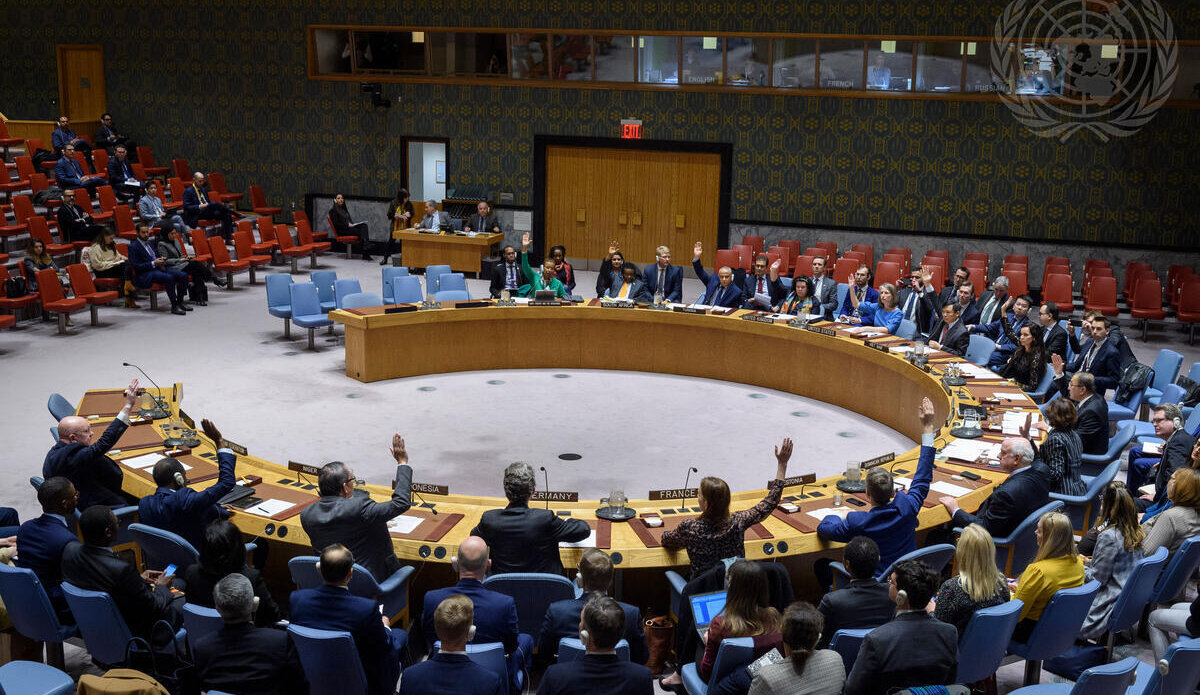
New York_ The United Nations Security Council will hold its quarterly briefing on Afghanistan this Wednesday, at a moment when the UN Assistance Mission in Afghanistan (UNAMA) has been functioning without a permanent head for several months.
The absence of leadership has raised serious concerns about the mission’s ability to effectively engage the Taliban and address the worsening situation inside the country.
Political analysts say the leadership gap has weakened UNAMA’s diplomatic influence at a time when Afghanistan faces severe human rights restrictions, including the continued ban on women’s education and employment.
Reports of alleged extrajudicial actions and limits on civil liberties persist, though the Taliban dismiss these allegations and have frequently criticized UNAMA’s performance.
UN-led diplomatic efforts, including the Doha talks and other consultative processes, have failed to secure political inclusivity or meaningful reforms in Afghanistan.
As a result, Afghanistan remains mired in economic collapse, widespread malnutrition, and deteriorating basic services.
The briefing is also expected to highlight regional security concerns.
Pakistan has repeatedly warned that unchecked militant activity and illicit weapons transfers from Afghanistan threaten regional stability, potentially fueling escalation in nuclear-armed South Asia.
Observers say the ongoing session is a critical test for the international community: whether it will insist on human rights guarantees or continue limited engagement with the Taliban despite the deepening crisis.
News Update on December 7, 2025
New York_ The United Nations Assistance Mission in Afghanistan (UNAMA) has announced that the UN Security Council Meeting on Afghanistan will take place on Wednesday, December 10, at 10:00 a.m. New York time (7:30 p.m. Kabul time).
The session is expected to draw international attention back to Afghanistan’s political, humanitarian, and security challenges.
UNAMA said the meeting will provide a platform for “fresh discussions among Council members,” especially at a time when conditions inside Afghanistan continue to worsen.
According to UN agencies, millions of Afghan families face deepening economic hardship, while aid organizations are struggling with severe budget cuts because of the incumbent regime’s behavior that has reduced their ability to deliver essential services.
Key issues likely to shape the security council discussion
Diplomatic sources suggest the meeting will focus on the latest report by Feridun Sinirlioglu, the UN Special Coordinator for Afghanistan.
Council members are also expected to discuss how to operationalize recommendations from the Independent Afghanistan Assessment Report, which called for renewed international engagement, protection of human rights, and a coordinated approach toward Afghanistan’s future.
The upcoming session comes amid rising tensions between Pakistan and the Taliban, ongoing concerns about regional stability, and persistent violations of women’s and girls’ rights under Taliban rule.
Observers note that these issues remain central to global discussions on Afghanistan’s path forward.
First council meeting since release of Sinirlioglu Report
This will be the first formal Security Council meeting on Afghanistan since the release of the Sinirlioglu report, making it a significant moment for member states to reassess their approach and outline next steps for international engagement.
Read more: Pakistan Rejects Taliban’s Claims on ‘Poor-Quality’ Medicines as Politically Motivated











