
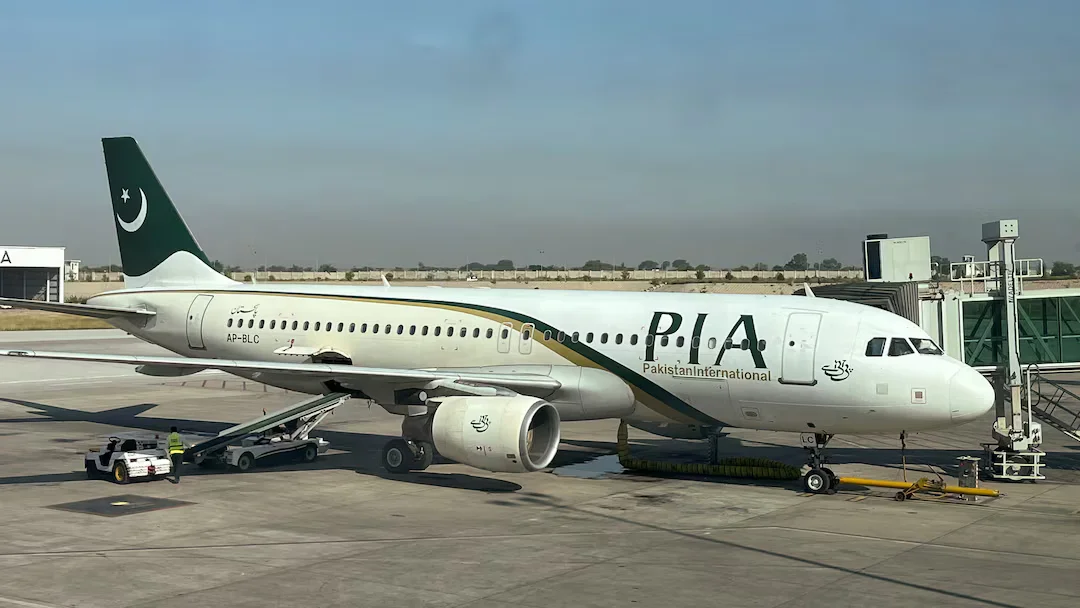
Islamabad – This Wednesday saw a giant leap in the future of Pakistan’s national airline with the government declaring a breakthrough in its reform agenda.
The privatization head of the country says that Pakistan International Airlines (PIA) will be handed over to a new owner by April next year.
This follows a successful live-televised auction in which a consortium headed by Arif Habib Corporation won the top bid.
The group bid a significant 135 billion rupees, which implied a 75 per cent stake, a considerably higher amount than the original target of the government.
Financial Strength and Future Investment
Muhammad Ali, the privatization advisor to the Prime Minister, explained that this move is not just about changing hands.
The primary goal is to ensure the airline receives the fresh capital it needs to become financially stable and avoid the risk of collapse.
The government will be paid 10 billion rupees in cash in advance under the conditions of the PIA Privatization Deal and will retain a 25 percent share.
Such a framework guarantees the state to be a companion in the airline on its path to recovery with the invitation of individual expertise in real estate, education, and manufacturing to the top.
Protecting the Workforce
The news gives some assurance of stability in a period of change to the thousands of people who work at the airline.
The contract has a protection that stipulates that the new owners to keep all the employees and their current contracts intact for at least 12 months. This humanistic approach in the PIA privatization deal is crucial, particularly when the aviation sector is experiencing wider issues.
Economic Cost of Pakistan’s Airspace Closure
The closure of airspace is also affecting Air India and other international flights. Flights from Mumbai to New York have become longer than usual, while routes from Delhi to London and European cities require additional fuel and time.
Transit flights from India to the US, Europe, and the Middle East are being operated through alternative air routes.
These measures are causing international flights within the region to struggle with increased costs and extended routes caused by airspace closures, so the necessity of a powerful and effectively managed national carrier has never been as significant as it is currently to Pakistani travelers.
Meeting Global Reform Standards
A successful auction is another milestone in the relationship between Pakistan and the international financial institutions. The International Monetary Fund (IMF) has repeatedly urged the nation to minimize losses in state-owned enterprises to balance the state funds.
The government is making significant signals by proceeding with the PIA privatization deal, as it shows its dedication to economic reform and transparency.
It is believed by the officials that transforming the airline into a profitable organization will not just save the taxpayers money but will also offer a winning model of future developments to help make the nation economically stable and strong in the global skies.
Also See: Arif Habib Consortium Wins Historic PIA Privatization Auction with Rs135 Billion Bid











