
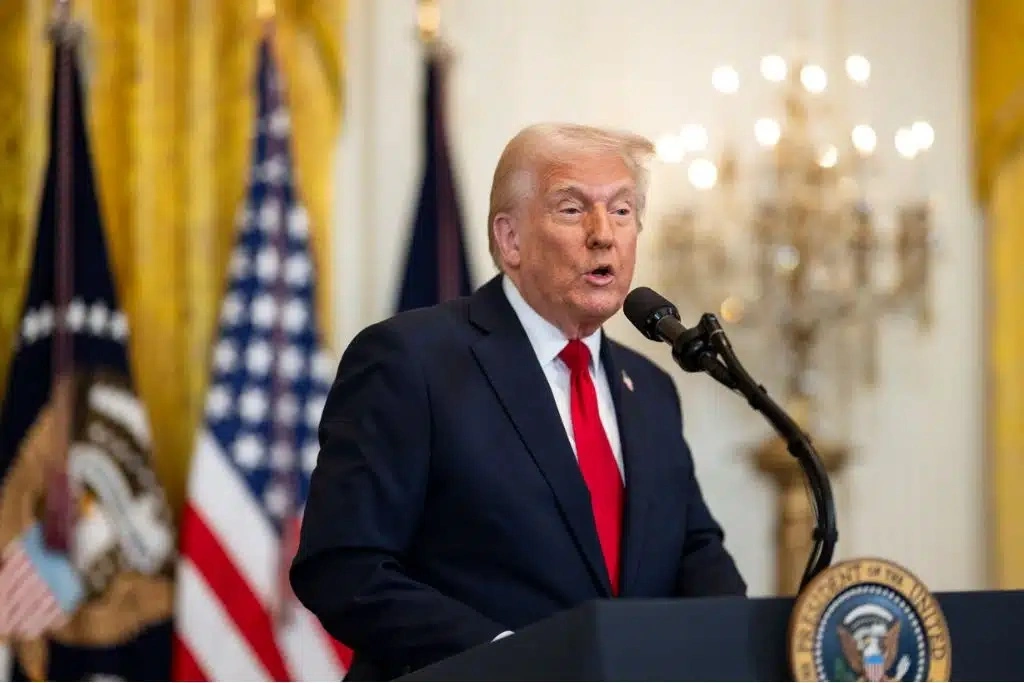
The United States has officially begun the process of withdrawing from 66 United Nations entities and other international organizations, marking one of the largest diplomatic pullbacks in recent history. Government officials confirmed that this decision aligns with Washington’s push to prioritize national interests and reduce involvement in global institutions.
According to the Department of State, the withdrawal affects programs ranging from peacekeeping to global health initiatives. US representatives emphasized that the move will allow the country to redirect resources to domestic priorities, though critics warn it may weaken international cooperation and US influence abroad.
US Government Implements Historic Global Exit Strategy
Secretary of State Antony Blinken announced that the administration has submitted formal notices to the respective organizations regarding the withdrawal timeline. The process includes terminating funding obligations and reassigning US delegates from various boards and committees.
Ambassador Linda Thomas-Greenfield emphasized that the US remains committed to bilateral diplomacy and will continue engaging in select international collaborations outside the UN framework. She also highlighted that certain humanitarian programs will continue receiving US support through alternative channels.
Experts argue that this decision represents a significant shift from decades of US engagement in multilateral institutions, reflecting growing domestic pressure to prioritize national sovereignty over international commitments.
Historical Context of US Multilateral Participation
Historically, the United States has played a leading role in establishing and funding international organizations such as the United Nations, the World Health Organization, and the International Monetary Fund. Past administrations often leveraged these memberships to shape global norms and advance foreign policy objectives.
Previous US withdrawals or threats to exit specific entities, such as UNESCO or the WHO, created diplomatic tensions and debates over the country’s reliability as a global partner. Analysts note that the current withdrawal from 66 organizations represents the broadest disengagement effort in modern history.
Critics warn that the move may encourage other nations to reconsider their commitments, potentially reducing the effectiveness of global governance structures and international peacekeeping missions. Supporters, however, maintain that it will save taxpayer money and refocus US attention on pressing domestic issues.
Read more :https://htnworld.com/pakistan-saudi-jf-17/











