
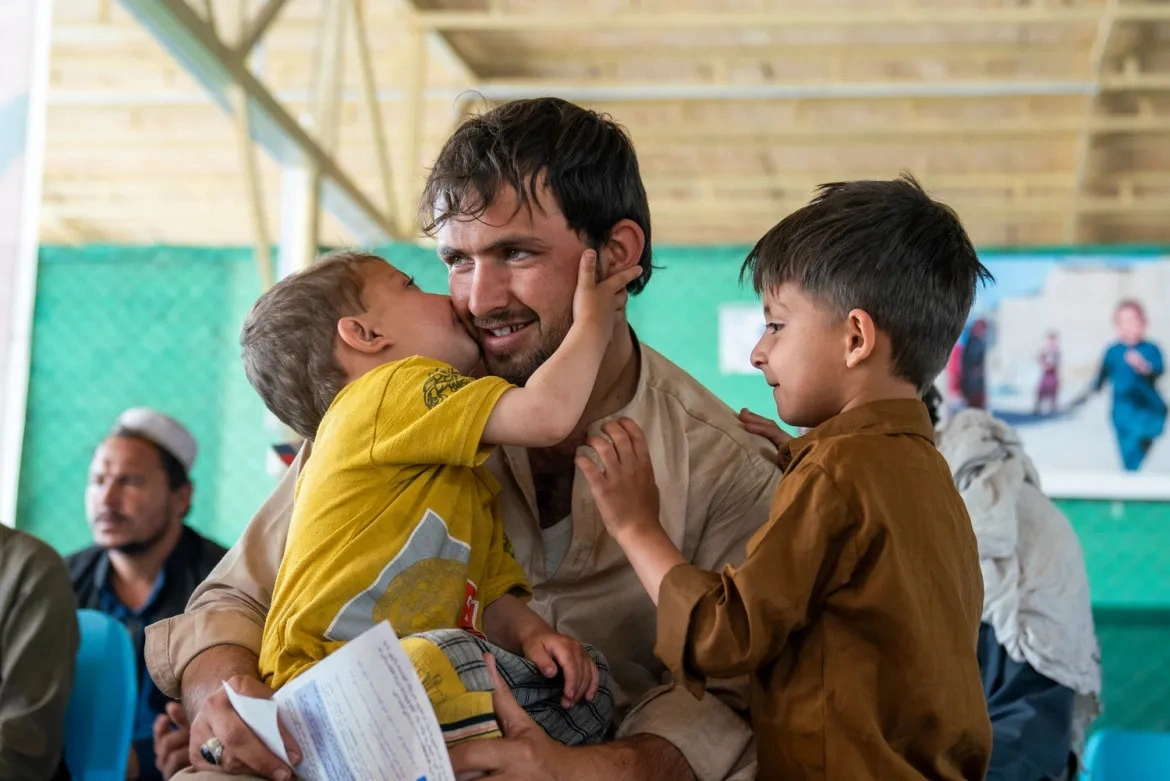
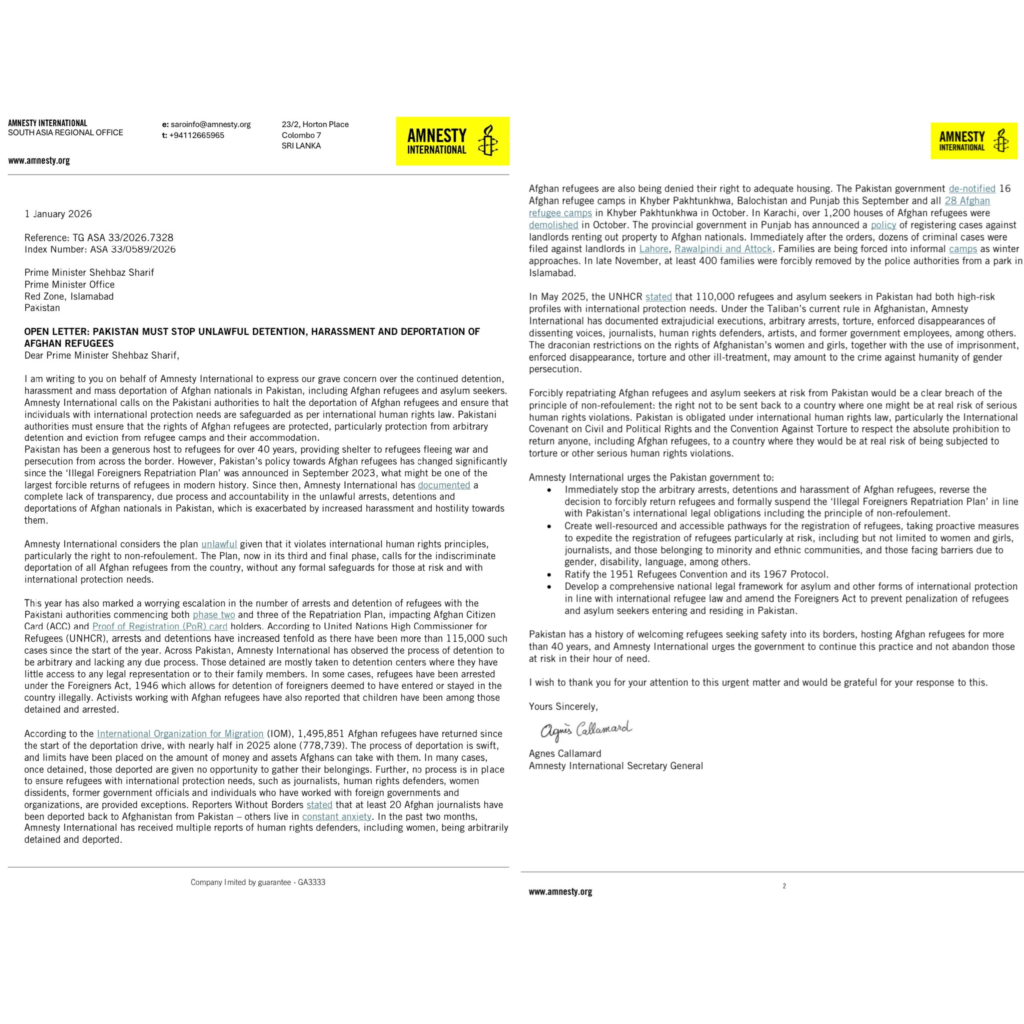
Amnesty International recently issued an open letter to Prime Minister Shehbaz Sharif alleging unlawful detention, harassment, and deportation of Afghan refugees in Pakistan. The organization called for an immediate halt to deportations and urged Pakistani authorities to safeguard individuals under international human rights law.
Pakistan, however, has a humanitarian record spanning over four decades, hosting millions of Afghan nationals who fled war, foreign occupation, and prolonged instability in Afghanistan. The country opened its borders during intense conflict, absorbing economic, social, and security impacts with minimal international support.
Pakistan Has Maintained Generous Humanitarian Support
Despite facing terrorism, economic challenges, and repeated humanitarian crises, Pakistan granted repeated extensions to Afghan nationals on purely humanitarian grounds. These discretionary extensions allowed individuals to remain lawfully, even though Pakistan is not a signatory to the 1951 Refugee Convention and lacks a permanent refugee framework.
All Proof of Registration cards and Afghan Citizen Cards have since expired, reflecting a changed reality in Afghanistan. The primary reasons for mass migration—war, foreign military operations, and collapse of state authority—no longer apply as a single regime controls most of Afghan territory.
Pakistan’s approach has never been abrupt or harsh. Instead, it emphasized orderly, phased, and humane return, providing ample notice, multiple deadlines, and logistical support for voluntary repatriation.
Responsibility Lies With Afghanistan and International Community
Pakistan believes that sustainable solutions require voluntary return, international assistance within Afghanistan, and fair burden-sharing. Afghan authorities, particularly the Taliban, must reintegrate their own citizens. The international community and humanitarian organizations should provide development aid, livelihood support, and reintegration assistance directly in Afghanistan.
No country can be expected to host millions of undocumented foreign nationals indefinitely once the primary cause of flight has ceased. Pakistan’s repatriation policy aims to restore immigration control, not punish refugees. Its commitment remains with humanitarian values, regional stability, and dignified return processes.
Read more :https://htnworld.com/turkey-saudi-pakistan-defense-alliance/











