
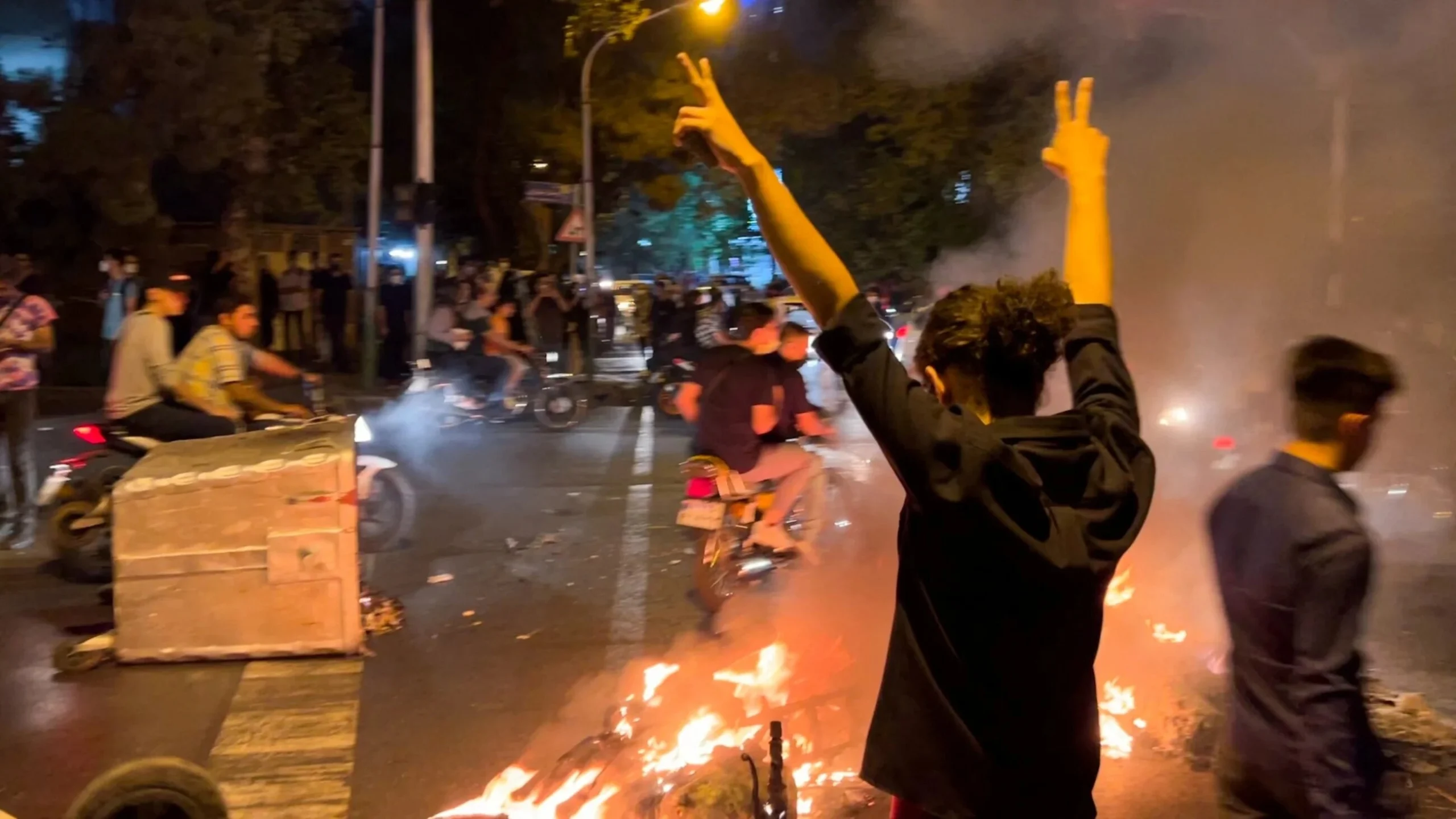
Iran is experiencing one of the most widespread protest movements in years, with demonstrations reported in over 100 cities, including Tehran, Mashhad, Isfahan, and Qom. Millions of citizens, including workers, students, and shopkeepers, have taken to the streets demanding economic relief, political reforms, and structural changes in governance.
The protests, which began in late December 2025, were initially driven by economic hardship, including high inflation and the sharp devaluation of the Iranian rial. Over time, they have evolved into broader demands for political accountability and reform.
Internet Blackout Deepens Tensions Across Iran
In response to the protests, Iranian authorities have imposed a near-total national internet blackout, severely limiting access to social media, messaging platforms, and information sources. The blackout, which began on January 8, 2026, has disrupted daily life, business activities, and communication, while attempting to curb protest organization and independent coverage of events.
Security Crackdown and Rising Casualties
The government has deployed security forces to suppress demonstrations, resulting in clashes, injuries, and fatalities. Reports indicate that over 200 people may have died in Tehran alone. Authorities describe the protesters as threats to stability, while demonstrators demand systemic political and economic change.
Leadership Response and Political Pressure
Iranian officials, including President Masoud Pezeshkian, have acknowledged the unrest and signaled intent to engage with the public, though no detailed plan has been announced. Analysts warn that ongoing tensions, combined with economic strain and restricted communication, could intensify instability and pose significant challenges for the government.
Read more :https://htnworld.com/pakistan-afghan-refugee-humanitarian-support/











