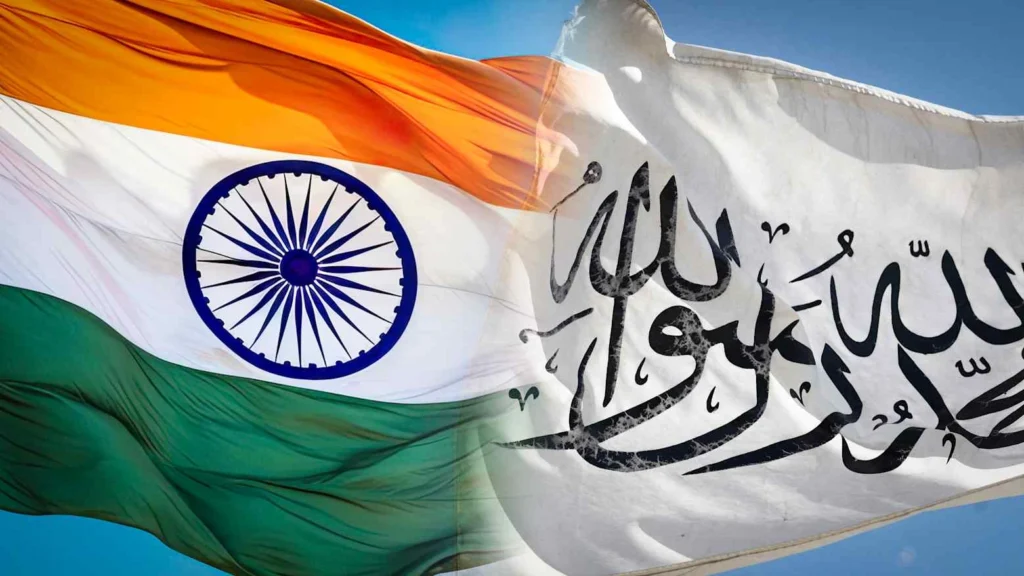
The Indian government led by Prime Minister Narendra Modi is facing strong criticism at home after it quietly withdrew from the Chabahar port agreement with Iran, a move that many observers are calling a major strategic setback.
According to The Economic Times, India stepped away from the project after the United States announced a 25 per cent tariff on countries doing business with Iran.
New Delhi reportedly ended its involvement without making any formal public announcement, even though it had already paid around $120 million to Tehran. The report said the money is now considered unrecoverable.
India had taken responsibility in 2024 for developing the port under a 10-year agreement. Following the withdrawal, the state-run company working on the project, India Ports Global Limited (IPGL), saw its entire board resign and its official website was also taken offline.
The opposition Congress party strongly criticized the decision. Party leader Pawan Khera said the move showed how India was allowing the United States to pressure its foreign policy.
𝐍𝐚𝐫𝐞𝐧𝐝𝐫𝐚 𝐌𝐨𝐝𝐢 𝐡𝐚𝐬 𝐨𝐧𝐜𝐞 𝐚𝐠𝐚𝐢𝐧 𝐬𝐮𝐫𝐫𝐞𝐧𝐝𝐞𝐫𝐞𝐝 𝐭𝐨 𝐓𝐫𝐮𝐦𝐩 🚨
— Congress (@INCIndia) January 16, 2026
Reports suggest that under pressure from US President Donald Trump, Modi has ceded control over Iran's Chabahar Port and silently taken down the official website as well.
$120 million…
The party said the Modi government had once called Chabahar a “major strategic win” but had now given it up without explanation.
A foreign journal reported that the $120 million already paid can now be used by Iran for the port’s development as it sees fit.
Political and economic experts say the decision has damaged India’s regional position and raised questions about its long-term strategy.
Some analysts also claimed India’s role at the port had always been controversial, with concerns that IPGL was created mainly to gain control of Chabahar.
For many in India, the episode has become a symbol of a costly retreat in foreign policy.
Read more: Putin Calls Russia-Pakistan Ties “Mutually Beneficial” as Cooperation Grows