
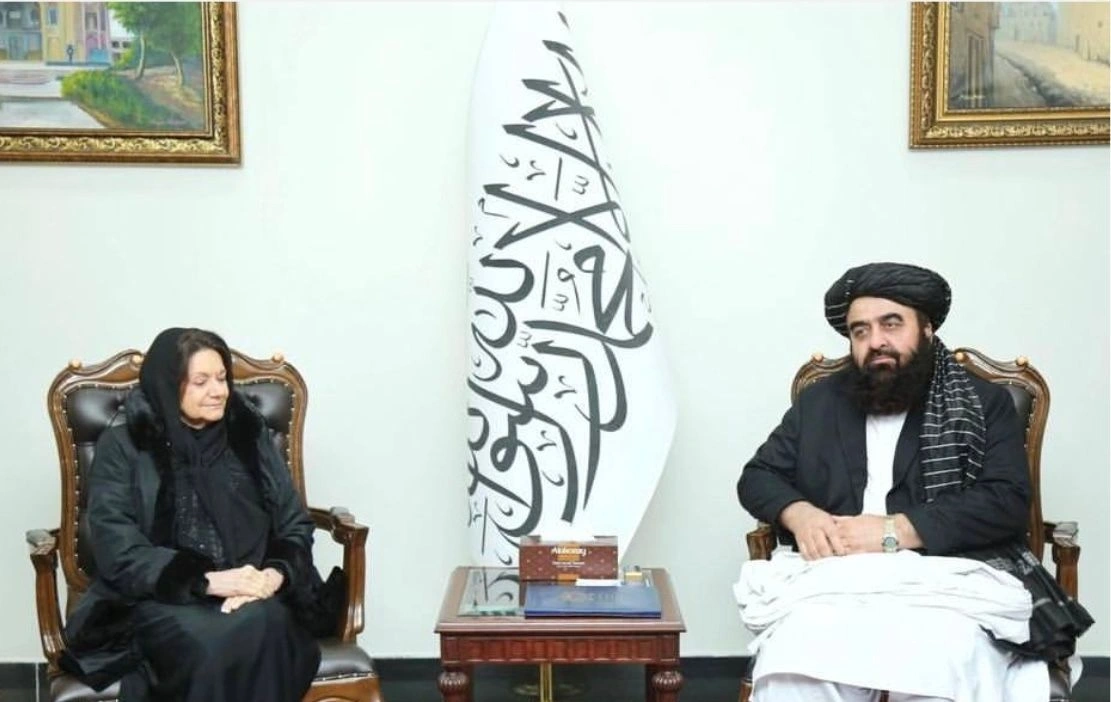
Rosemary DiCarlo, the UN Under-Secretary-General for Political and Peacebuilding Affairs, visited Kabul on Saturday to meet Taliban Foreign Minister Amir Khan Muttaqi, highlighting ongoing concerns about the Taliban’s governance and human rights record.
Exclusion of Women from Governance
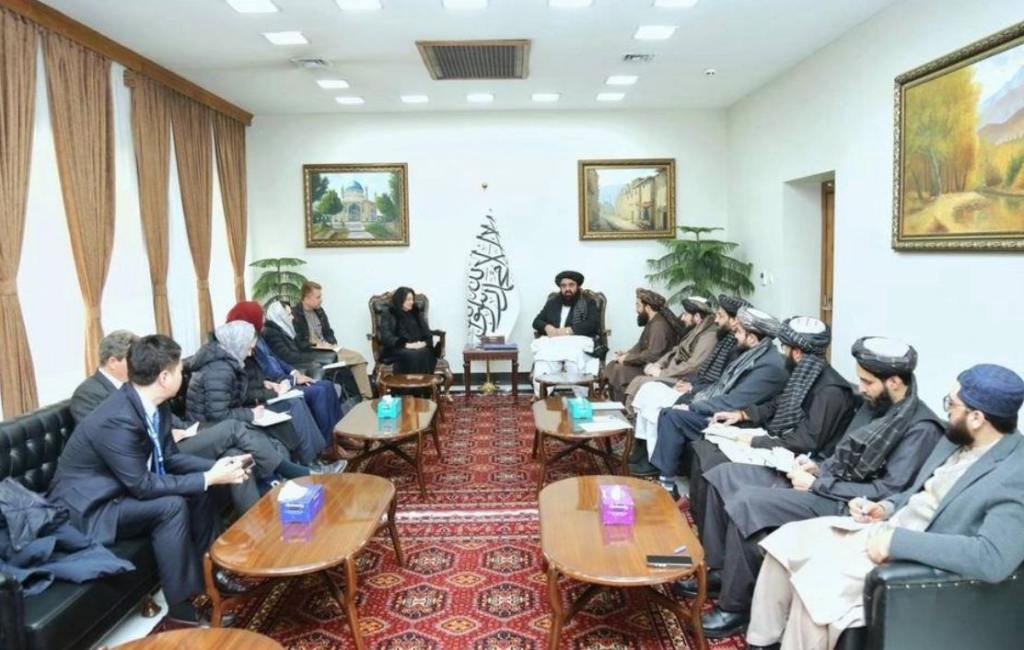
The UN delegation included four women and three men, in sharp contrast to the all-male Taliban delegation, reflecting the regime’s continued exclusion of women from political and governmental roles. Observers criticized the Taliban for maintaining a system that marginalizes half of Afghanistan’s population and undermines international norms on human rights and gender equality.
Discussion Topics Mask Structural Problems
Although official statements noted that the talks covered the Doha peace process, narcotics control, private sector support, and return of migrants, experts emphasize that such meetings do little to address the Taliban’s systematic suppression of women and opposition voices. The delegation underscored that meaningful reforms are essential, as the current administration continues to consolidate power without accountability.
Broader Implications
DiCarlo, who has served as the UN’s political and peacebuilding chief since 2018, stressed the importance of inclusive governance. The stark gender imbalance in the Taliban delegation illustrates the regime’s disregard for women’s participation in public life and raises concerns about the credibility of any claimed progress in Afghanistan.
International Perspective
This visit underscores the international community’s frustration with the Taliban: while engagement continues, the regime’s exclusionary policies, especially regarding women, threaten peace-building efforts, regional stability, and humanitarian development. Analysts warn that dialogue alone cannot mask the reality of systemic repression under Taliban rule.
Read more :United States Officially Exits World (WHO) Controversy











