
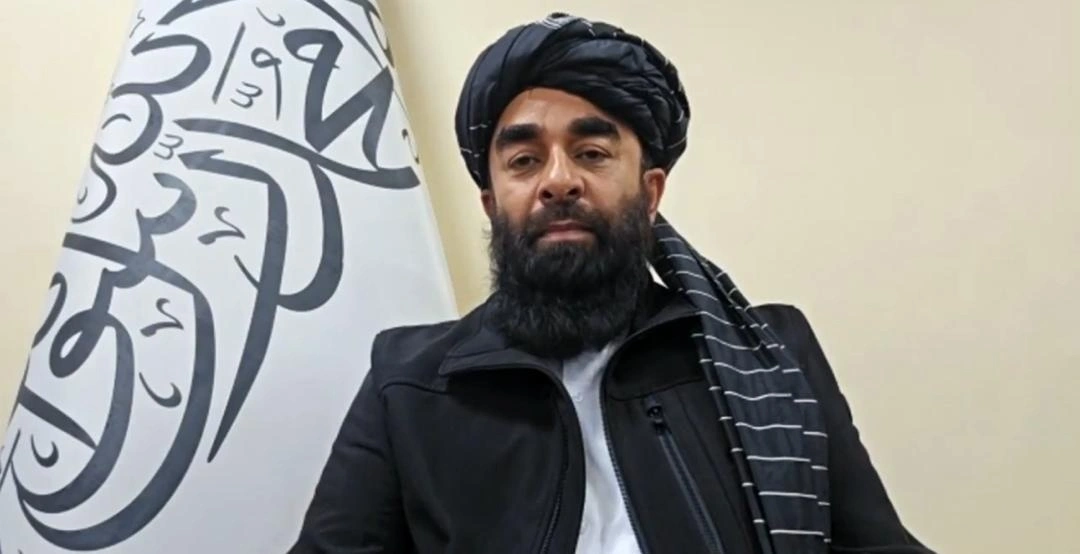
Kabul – Zabihullah Mujahid, spokesperson of the Islamic Emirate of Afghanistan, explained the recently issued Penal Code in an interview with BBC, emphasizing that it is a procedural framework for courts, not a constitution, and is based entirely on Sharia and Hanafi jurisprudence.
Mujahid clarified that the code divides legal matters into three categories:
1. Hudood – offenses with fixed punishments applied equally to all citizens once proof is established.
2. Legal rights cases – disputes where courts decide according to law, regardless of status.
3. Ta’zir – discretionary punishments meant for deterrence and reform, with judges acting under authority delegated by the Amir. Punishments vary depending on the individual’s response to advice and social role.
He emphasized that the “lower” category in Ta’zir refers to repeat offenders, not poor people, and those who respond to advice may be elevated to higher categories. The “elite” category includes respected tribal elders, dignitaries, and urban educated individuals, not only government officials.
Mujahid denied that the law targets Shias or minorities, clarifying that it only applies to those who claim one sect and then deviate from it. Regarding women, he stated that leaving a husband’s home without reconciliation or court-sanctioned divorce violates marital rights and can be punished under Ta’zir.
He also defended the code against criticism, stating that publicly questioning Sharia rulings is itself considered a crime, and urged citizens to study, research, and educate themselves about Sharia.
Key Points from the Interview
- The Penal Code is not the constitution; it governs court procedures.
- Legal matters are divided into Hudood, legal rights, and Ta’zir, each with specific applications.
- Ta’zir punishments vary by individual for deterrence and reform.
- Government officials are not exempt; elites include tribal and respected community leaders.
- The law does not target Shias or minorities unfairly.
- Women leaving their husbands’ homes without reconciliation can be punished.
- Public criticism of Sharia rulings is deemed a religious offense.
Mujahid concluded that the Islamic Emirate has formulated the Penal Code strictly according to Sharia, and no additional laws were added by the government.
Concerns Over Human Rights and Social Inequality
However, human rights experts and international observers warn that this Penal Code effectively restricts citizens’ rights and legalizes social discrimination.
• Dividing people into “elite, middle, and lower” categories under Ta’zir could lead to unequal application of punishments.
• Laws that consider public criticism of Sharia a crime suppress freedom of expression and the right to critique.
• Punishing women for leaving their husband’s home without reconciliation or court-sanctioned divorce is an example of gender inequality and suppression of women’s rights.
• Even the Taliban’s claim that minorities are not targeted has been strongly questioned and criticized by international observers.
This highlights that the new Taliban Penal Code not only limits human rights but also promotes social discrimination and the repression of vulnerable groups.
Read more :Afghan Diplomatic Council Condemns Taliban’s New Criminal Procedure Code











