
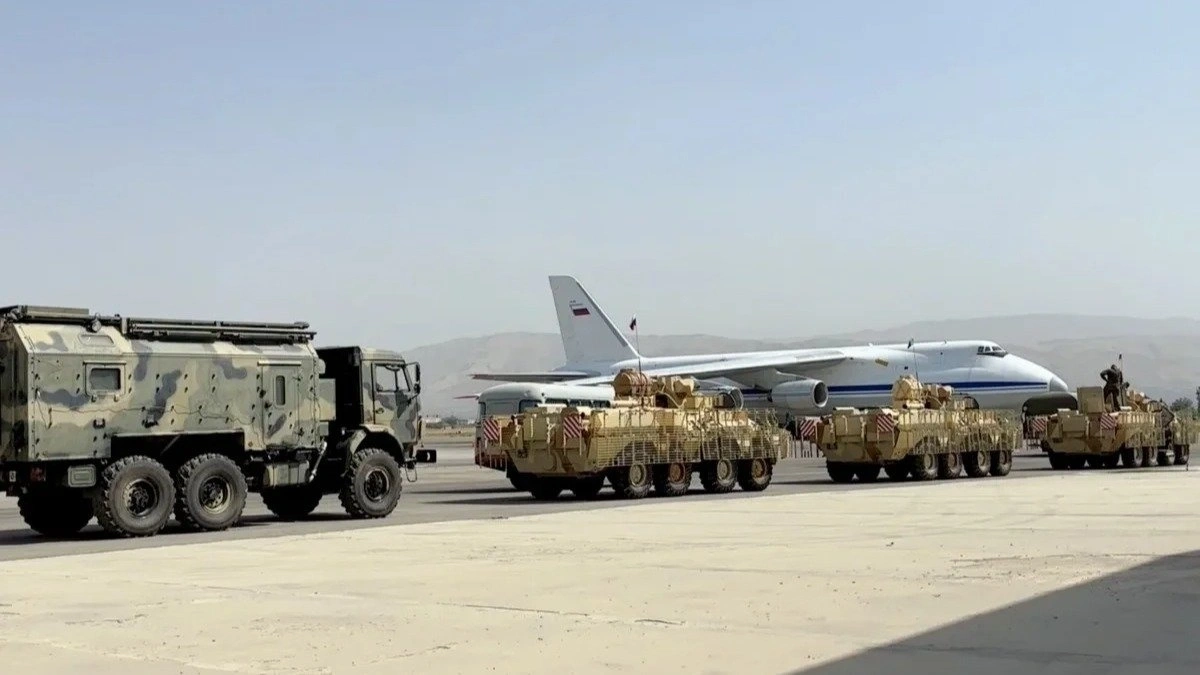
Tajikistan — In response to rising security concerns along Tajikistan’s border with Afghanistan, the Collective Security Treaty Organization (CSTO) will provide the country’s border forces with advanced military equipment and weapons. This initiative aims to strengthen border management and prevent infiltration by militants and drug traffickers.
CSTO Secretary General Talgat Musabayev, cited by Russia-based news agency Interfax, said the organization is finalizing a list of military and technical equipment to be delivered to Tajikistan. The assistance reflects CSTO’s mandate to ensure the collective security of its post-Soviet member states, which include Armenia, Belarus, Kazakhstan, Kyrgyzstan, Russia, and Tajikistan.
Established as a Russia-led military alliance in 2002, CSTO originated from a 1992 treaty and operates independently from the Commonwealth of Independent States (CIS). Its Article 4 mirrors NATO’s Article 5, meaning aggression against one member is treated as aggression against all, reinforcing the commitment to protect member territories in case of emergency.
Musabayev explained that the aid to Tajikistan will support a joint mechanism for border security, ensuring that any attempts by militants or smugglers from Afghan territory are swiftly intercepted. The move comes amid a surge in armed clashes and smuggling attempts along the border region.
CSTO’s intervention highlights the alliance’s ongoing role in maintaining stability and security in Central Asia, underlining the importance of regional cooperation among post-Soviet states to address cross-border threats.











