
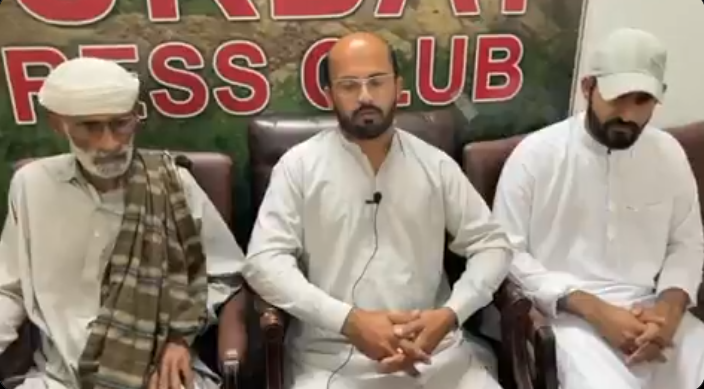
Web Desk: Several families publicly disowned relatives involved in BLA terrorism underlining that their relatives were in the mountains and that they no longer maintain any connection with them. These statements also help clarify cases that previously fueled allegations of enforced disappearances.
سرفراز بگٹی نے ابھی صرف اعلان کیا تھا کہ جو بھی شخص پہاڑوں پر ہے اگر اس کے گھر والے ہمیں نہیں بتائیں گے تو پھر کل کو اگر وہ دہشتگردی میں ملوث ہوا تو کاروائی گھر والوں کے خلاف بھی ہوگی ۔ اب آپ دیکھیں کہ وہ لوگ جن کے متعلق کہا جاتا تھا لاپتہ ہیں ان کو ایجنسیوں نے غائب کردیا ہے ان… pic.twitter.com/W8stnsm4Ey
— Zahid Baloch (@ZahidlBaloch) February 14, 2026
Earlier, Balochistan Chief Minister Sarfraz Bugti had warned families of suspected terrorists to inform authorities if their relatives had joined armed groups. Otherwise, he said, the government could take legal action against family members if those individuals in any way became involved in terrorism.
Bugti said the government would no longer accept silence from families whose relatives had taken up arms. He urged them to come forward and clearly state their position.
“If someone is in the mountains and their family does not inform us, then if that person becomes involved in terrorism, action will also follow against the family,” he said.
For years, some political groups and activists accused security agencies of forcibly disappearing individuals. Organisations such as the Baloch Yakjehti Committee (BYC) amplified those claims, while terrorist groups like the Baloch Liberation Army (BLA) denied responsibility for recruiting local youth.
However, provincial officials now argue that recent public acknowledgments by families show that many individuals previously described as “missing persons” had joined armed groups. As a result, authorities say only confirmed cases of enforced disappearance will remain under review.
Meanwhile the debate over accountability, human rights and counterterrorism policy in Balochistan is expected to intensify in the coming weeks.











