
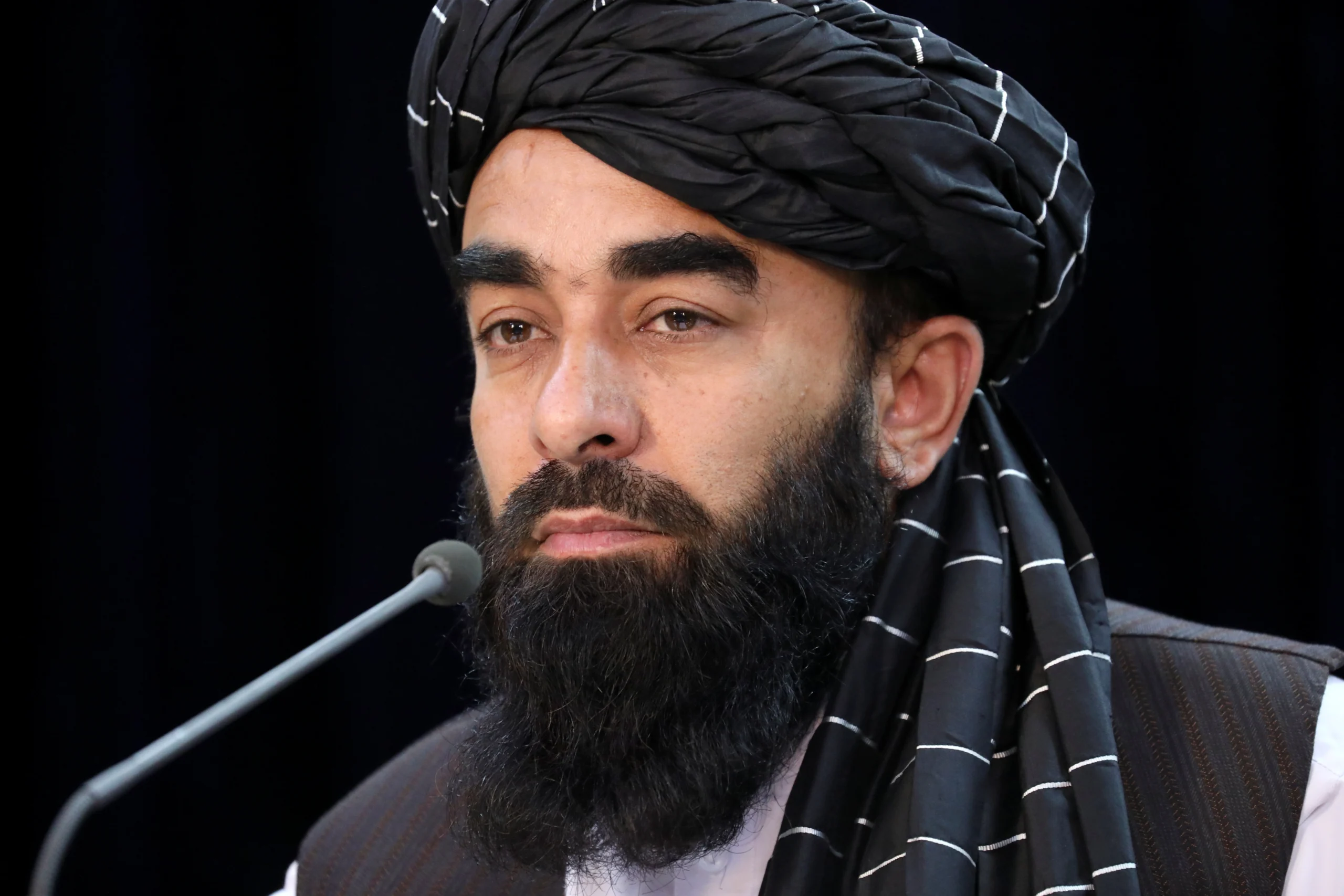
In the latest instance of disinformation, the Afghan Taliban have attempted to deflect responsibility for terrorism emanating from Afghan soil. The chief spokesperson of the so-called Islamic Emirate of Afghanistan, Zabihullah Mujahid, has accused Pakistan of supporting Da’esh/ISIS/ISKP and allegedly relocating militants from Balochistan to Khyber Pakhtunkhwa. He further claimed that Tehreek-e-Taliban Pakistan (TTP) does not operate from Afghanistan.
However, documented evidence available to the international community presents a starkly different reality.
Recent United Nations reporting—both through formal submissions and Security Council proceedings—clearly outlines the security environment inside Afghanistan under Taliban control. These findings consistently highlight the permissive space provided to terrorist organizations, contradicting official Taliban denials.
According to the 37th Report of the UN Analytical Support and Sanctions Monitoring Team (February 4, 2026), Afghanistan’s de facto authorities have continued to provide a permissive environment for multiple terrorist groups, notably Tehrik-e-Taliban Pakistan (TTP).
The 16th Monitoring Team Report (December 8, 2025) further confirms that the Afghan Taliban support TTP elements based in eastern Afghanistan.
Regarding Al-Qaeda, the 37th UN report states that the Taliban have continued to provide a permissive environment for Al-Qaeda across Afghanistan.
This contradiction between Taliban claims and ground realities was also highlighted during a UN Security Council briefing on Afghanistan (December 10, 2025), which noted that the Taliban continue to deny the presence of terrorist groups despite overwhelming evidence to the contrary.
On cross-border terrorism, the 37th Monitoring Team Report identifies attacks carried out by TTP against Pakistan from Afghan territory as a significant regional challenge and one of the most serious short-term security threats.
Additionally, the 16th UN report confirms that a wide range of terrorist organizations—including ISIL-K, Al-Qaeda, and TTP—remain active inside Afghanistan.
The international community has formally acknowledged these concerns through UN Security Council Resolution 2777 (2025), which expressed serious alarm over the presence of terrorist groups in Afghanistan and reaffirmed the urgency of combating terrorism.
Taken together, these UN assessments clearly establish Afghanistan as a terrorist safe haven. While the Afghan Taliban attempt to externalize violence by attributing it solely to ISIS and deny TTP’s operational presence, the UN record documents an environment where TTP, Al-Qaeda, and ISIL-K are all active and expanding.
Efforts to portray these groups as separate and unrelated entities are widely seen as attempts to obscure the reality. These organizations draw from shared recruitment pools, operate through interconnected networks, benefit from similar financing mechanisms, and exploit the same logistical and criminal-terrorism nexuses.
The recent acceptance of responsibility by ISKP for a brutal attack in Pakistan further underscores the seriousness of the threat. Allegations leveled by Afghan officials and affiliated propagandists not only lack credibility but also raise serious concerns about intent and regional security.
Read more :Fact-Checking Zabihullah Mujahid on Terror and Regional Instability











