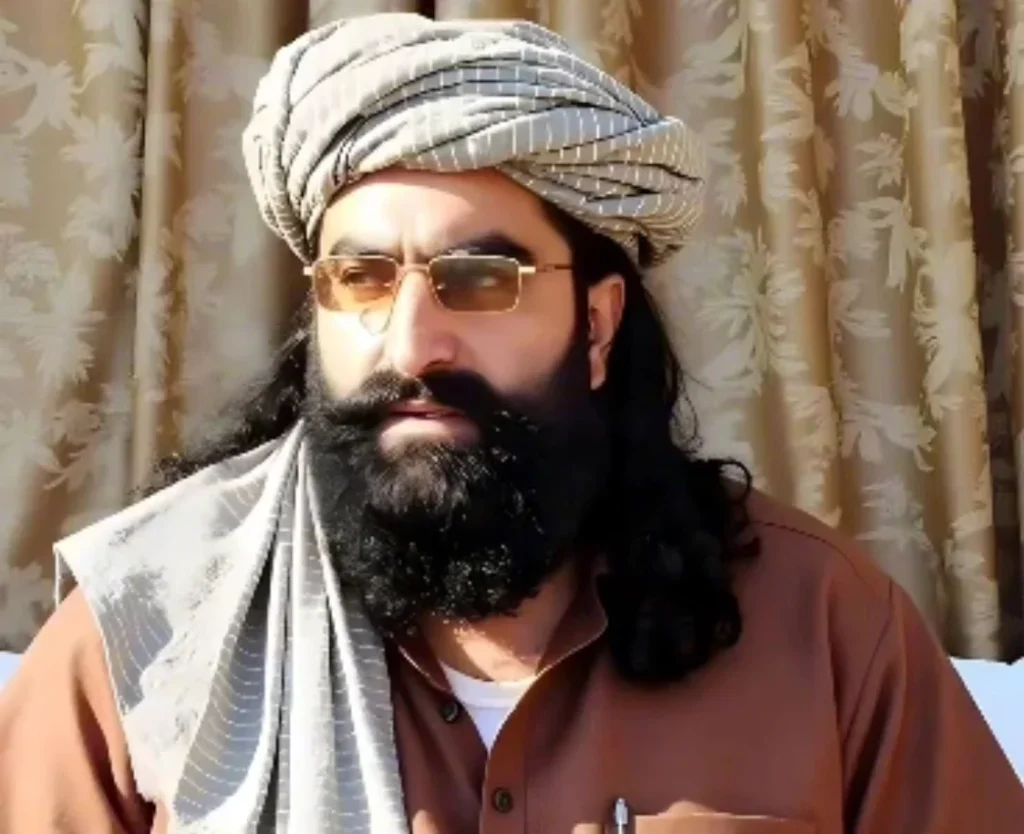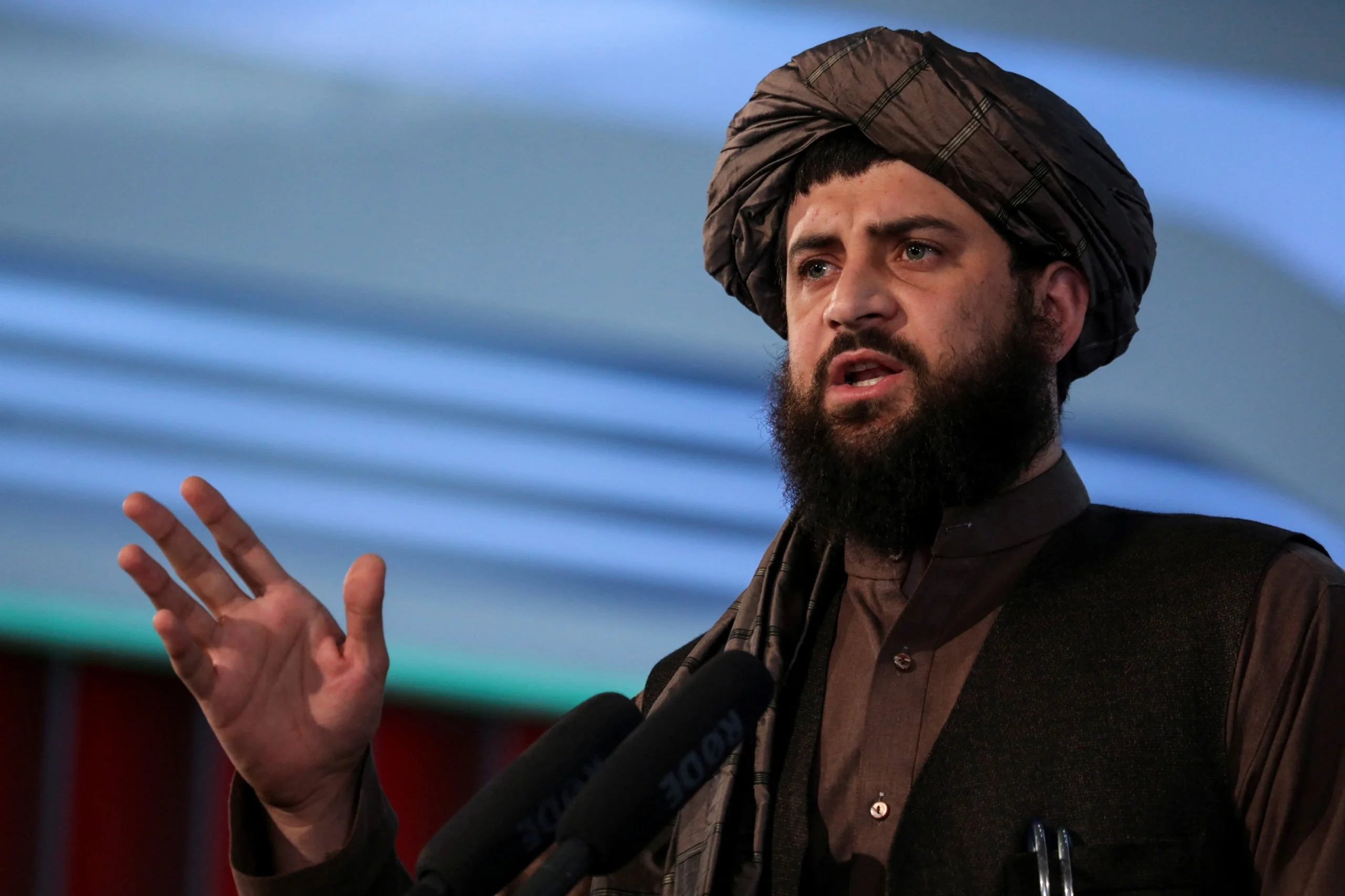
Recent remarks by Mullah Yaqoob, the Taliban’s acting Minister of Defense, have triggered a wave of reactions and criticism from Afghan political figures and opposition groups, highlighting growing concerns over governance under Taliban rule.
Speaking at a ceremony in Kabul on 2 Dalw marking the anniversary of the withdrawal of former Soviet forces from Afghanistan, Mullah Yaqoob cautioned Taliban members against actions that could alienate the public. He urged them to think about the future and the legacy they are leaving behind, warning: “Do not do anything that would make sensible people call you insane.” He also stressed that today’s actions should not become a source of shame for future generations.
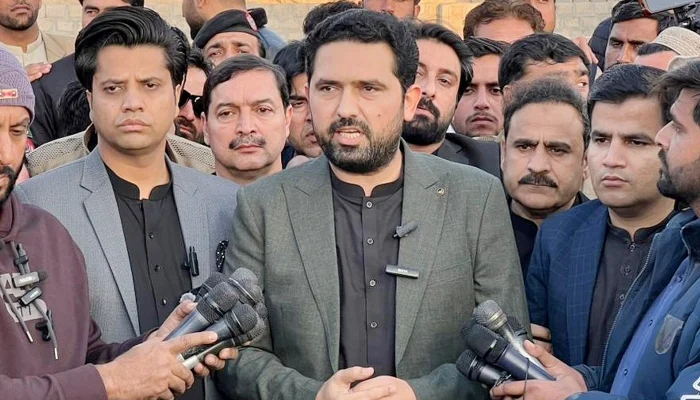
His comments drew immediate response from Wod Naji, head of the political committee of the Afghanistan Freedom Front, who stated that societies are governed through modern systems and laws, not through advice or sermons. According to Naji, sustainable governance requires institutional frameworks, accountability, and rule of law rather than moral exhortations. He emphasized that the Taliban’s current approach has failed to address Afghanistan’s deep political, economic, and social crises.
Political analysts note that Mullah Yaqoob’s remarks reflect internal tensions within the Taliban leadership, where some figures appear increasingly aware of public dissatisfaction and international isolation. However, critics argue that rhetorical warnings alone are insufficient without concrete policy changes.
Afghanistan continues to face severe challenges, including economic collapse, international sanctions, and widespread criticism over human rights violations, particularly restrictions imposed on women and girls. Reports by the United Nations and international human rights organizations have repeatedly highlighted the absence of inclusive governance and legal protections under Taliban rule.
Observers say that while Mullah Yaqoob’s statement signals concern over public perception, it has not been accompanied by meaningful reforms. Opposition figures maintain that governance through ideology and verbal guidance cannot replace structured governance based on law, institutions, and public participation.
The debate surrounding these remarks underscores a broader national question: whether Afghanistan’s current rulers are willing—or able—to move beyond sermons toward a system capable of meeting the demands of a modern society.
Read more :Afghan Taliban Using Da’esh Narrative to Shield TTP Presence