
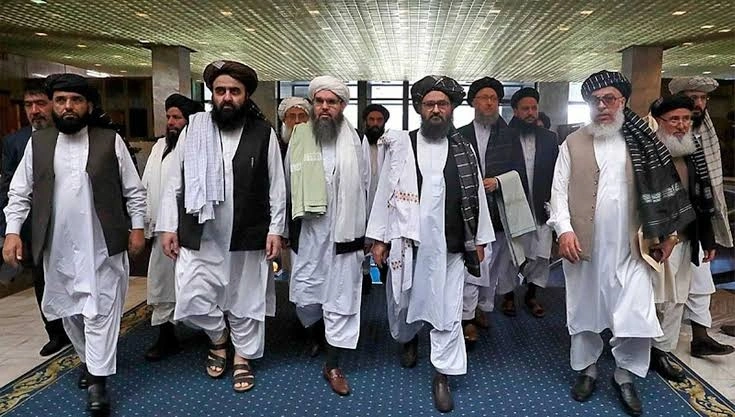
The interim Taliban government in Afghanistan is aggressively consolidating control over religious institutions, imposing stricter oversight on influential faith-based groups. In a significant move, the Taliban has placed the Tablighi Jamaat under direct state supervision, limiting its independent missionary work and enforcing strict adherence to Hanafi jurisprudence. Members are now required to follow doctrinal directives set by the regime’s Dar ul Ifta, including guidance from the publication “The Effect of Obedience in Strengthening the Sharia System.” Women and children are prohibited from participating in preaching missions, signaling the regime’s tightening of control over religious mobilization.
This assertive intervention underscores the Taliban’s broader authoritarian approach, using religion as a tool to centralize power rather than promoting genuine religious guidance. Analysts warn that such measures may foster radicalization under the guise of state-sanctioned religion and limit independent voices that could challenge extremist narratives.
For Pakistan, these developments highlight the urgent need to protect its borders and strengthen oversight of religious institutions within its own territory. Experts recommend accelerating registration of seminaries, standardizing curricula, and enforcing accountability to prevent the infiltration of radical ideologies from Afghanistan. A coordinated strategy between federal and provincial authorities, supported by credible religious scholars, is seen as essential to safeguard national security while maintaining legitimate religious freedoms.
Security observers note that unchecked Taliban influence over cross-border religious networks could exacerbate threats in Pakistan, making proactive monitoring, law enforcement engagement, and community awareness critical to countering extremist expansion. Pakistan’s experience in regulating madrassas and enforcing constitutional safeguards positions it as a frontline state capable of resisting attempts by the Taliban to export its radical agenda.
This latest move by the Taliban demonstrates their continued disregard for pluralism and regional stability, emphasizing the importance of Pakistan’s vigilance in preventing the spillover of extremism from its unstable neighbor.
Read more :37th UN Sanctions Report Confirms Afghanistan as Hub for Terrorist Groups











