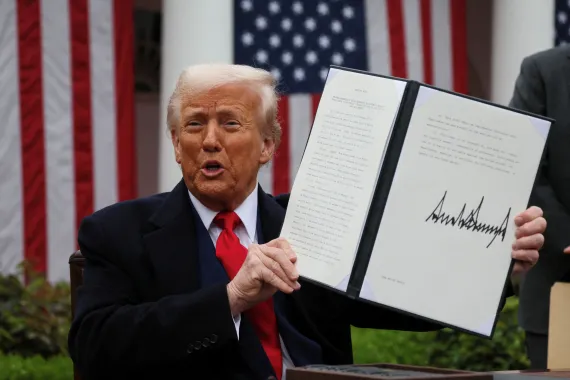
The US Supreme Court on Friday ruled that President Donald Trump acted outside the law when he imposed sweeping emergency tariffs on imports from around the world. In a 6 to 3 decision, the court said the president did not have the authority to introduce such wide ranging trade taxes without clear approval from Congress. The ruling marks one of the most serious legal setbacks for Trump’s economic policy during his second term.
As a result, the tariffs introduced under Trump’s so called emergency powers can no longer stand. However, the court did not clarify what should happen to more than 130 billion dollars already collected from import duties. This leaves businesses and trade partners facing fresh uncertainty in the short term.
Court Says Congress Holds Power Over Trade Taxes
In its ruling, the court made it clear that the power to impose broad taxes rests with lawmakers, not the president. Chief Justice John Roberts wrote that while presidents may act during emergencies, such actions must be backed by clear legal authority. In this case, the law Trump relied on was not designed for long term or global trade measures.
Moreover, the judges rejected the idea that trade disputes alone qualify as a national emergency. They said allowing such broad power would weaken constitutional limits. As a result, the decision reinforces the role of Congress in shaping trade policy and controlling taxes on imports.
At the same time, the ruling only applies to the global emergency tariffs. It does not affect separate duties placed on specific countries or products under other trade laws.
Trump Pushes Back as Economic Debate Continues
Following the ruling, Trump called the decision deeply disappointing and signaled that he would seek other ways to reintroduce tariffs. He announced a new 10 percent levy using different legal tools and said he would go even further if needed.
Meanwhile, Democrats and several US trading partners welcomed the court’s move. They said the decision could ease pressure on consumers, who often end up paying higher prices due to tariffs. Polls also show that many Americans believe the tariffs raised living costs without clear benefits.
Economists say the ruling may lower average tariff rates for now. However, uncertainty remains as the administration explores other options. Experts warn that continued legal battles could affect markets and global trade confidence.
Overall, the decision sends a strong message about limits on presidential power. While Trump remains determined to push his trade agenda, the court has drawn a firm line on how far emergency authority can go.
Read more:European Leaders Condemn Trump’s Tariff Threat Over Greenland