
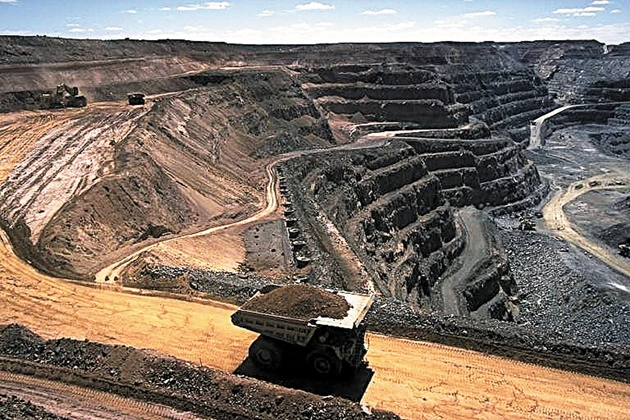
Islamabad, February 2026 — In recent days, a post circulating widely on social media has made bold and misleading claims regarding natural resources in Pakistan. The post, which has been shared across multiple platforms, asserted that North Waziristan alone contains 36,000 million tons of copper — a figure that experts say is wildly inaccurate and physically implausible.
According to the United States Geological Survey (USGS), the total estimated copper reserves in the entire world amount to approximately 980 million tons. This means that the claim suggesting a single district in Pakistan contains 36,000 million tons of copper exceeds the global total by more than 36 times, making it factually impossible. Experts argue that such exaggerated claims are likely intended to attract attention, gain social media engagement, or spread misinformation about Pakistan’s resources.
Authorities and industry analysts have highlighted the risks of such false narratives. Misinformation about natural resources can create confusion among the public, distort perceptions of economic potential, and even influence investment decisions if left unchallenged. Experts emphasize the importance of relying on verified data from credible sources, such as government geological surveys and international institutions, before accepting or sharing claims about mineral wealth.
This incident underscores a broader trend in which exaggerated or fabricated information can quickly go viral on social media, shaping public perception and fueling debates that are not grounded in reality. Pakistan’s relevant government departments, including the Ministry of Mines and Minerals Development, have repeatedly urged citizens to fact-check extraordinary claims before sharing them online.
Analysts also warn that repeated dissemination of misinformation could undermine public trust in legitimate reports about resource exploration and development. They recommend that social media users exercise caution, critically assess information, and consult official or expert sources before spreading potentially misleading claims.
In conclusion, while Pakistan does have significant mineral resources, the figure of 36,000 million tons of copper in North Waziristan is entirely false. Responsible sharing and verification of facts remain crucial in ensuring that discussions about Pakistan’s natural resources, economic planning, and development remain accurate and reliable.











