
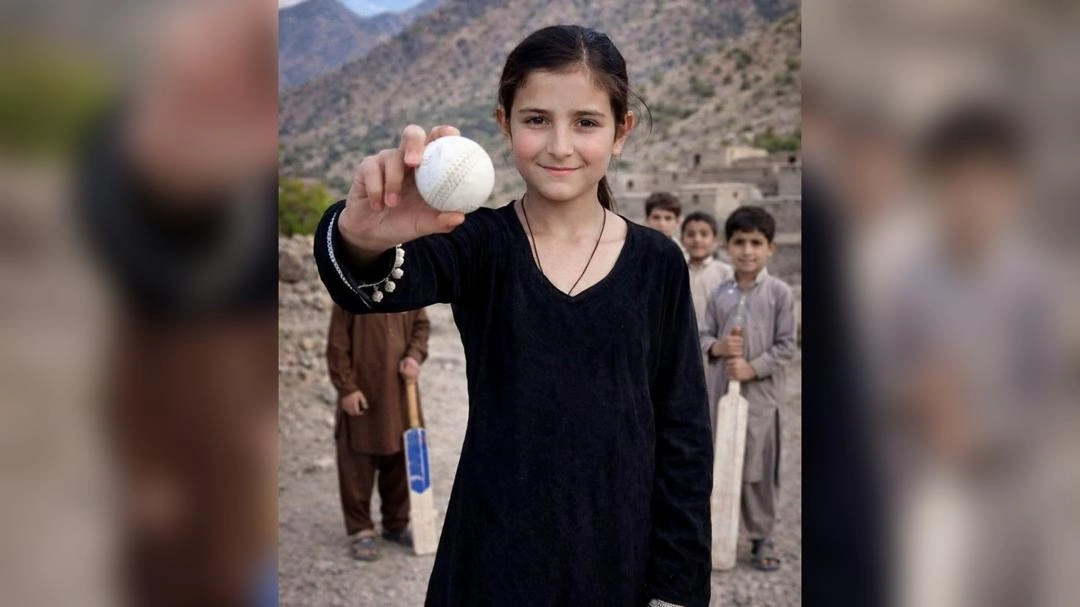
In a story that should have been heartwarming, a video of an eight-year-old girl (Aina) confidently bowling a cricket ball has instead become a stark reminder of the pressures exerted by militant ideologies in Pakistan’s tribal regions. The incident underscores how extremist groups, including the Tehrik-i-Taliban Pakistan (TTP), leverage social coercion to assert control over communities, particularly women and children.
Authorities say the abduction of a local teacher in connection with the video is not about religion or morality—it is a deliberate act of asserting parallel authority, challenging Pakistan’s constitutional order. Security analysts note that such actions reflect a broader pattern in which non-state actors seek to enforce rigid social codes through intimidation and violence.
Militancy and the Control of Social Space
Historically, militant groups have sought dominance over societal norms, especially concerning the visibility and freedom of women. UN monitoring reports indicate that the TTP continues to maintain operational and ideological links with factions in Afghanistan, using cross-border sanctuaries to influence behavior in Pakistan’s former tribal districts. The targeting of a teacher over a simple cricket video demonstrates coercion designed to send a public message: non-state actors will dictate the boundaries of social life.
Experts emphasize that Pakistan’s Constitution guarantees the dignity, education, and lawful freedoms of its citizens within Islamic principles. No militant organization has the mandate to redefine religious norms through force. Mainstream Islamic scholarship in Pakistan has consistently supported education and healthy physical activity for girls, and framing sports participation as un-Islamic reflects political posturing, not religious consensus.
Ideological Spillover from Afghanistan
Analysts highlight the indirect influence of the Afghan Taliban’s governance model, particularly its restrictions on women’s education and public participation. These policies are mirrored selectively by the TTP to justify social coercion inside Pakistan. Restrictions on secondary and higher education for girls, bans on NGO operations, and curbs on women’s public participation create a regional narrative that militants exploit.
The symbolism of a young girl bowling cannot be underestimated. For militants, her confident presence challenges fear and authority. A cricket ball, it seems, can carry as much narrative weight as a speech. This episode demonstrates that ideological permissiveness in one country can create tangible downstream effects in neighboring regions, complicating counter-terrorism efforts.
A Structural Approach to Countering Extremism
Pakistan’s security agencies report a resurgence of TTP-linked violence in Khyber Pakhtunkhwa and the tribal districts after 2021. These incidents now combine kinetic attacks with social intimidation—threats, warnings, and public “confessions”—creating a hybrid strategy designed to dominate communities psychologically. Experts argue that effective counter-terrorism requires a multi-layered approach: dismantling violent networks, disrupting ideological sanctuaries, strengthening community resilience, and ensuring clear narratives about lawful religious practice.
The episode serves as a broader reminder: instability in Afghanistan does not remain contained, and extremist ideologies exploit gray zones of authority to expand influence. Pakistan’s response, therefore, must be firm yet calibrated, combining enforcement, community engagement, and ideological clarity to ensure that tribal districts progress rather than regress.
Conclusion
While the story of an eight-year-old girl playing cricket should inspire hope, it also highlights the ongoing struggle against militancy in Pakistan’s border regions. Beyond arrests and military operations, counter-terrorism today is about safeguarding communities from coercion, ensuring ideological clarity, and protecting the fundamental rights of citizens, especially the young and vulnerable, from extremist narratives.
Read more :Social Media Claims About Umar Gul’s Death in North Waziristan Debunked











