
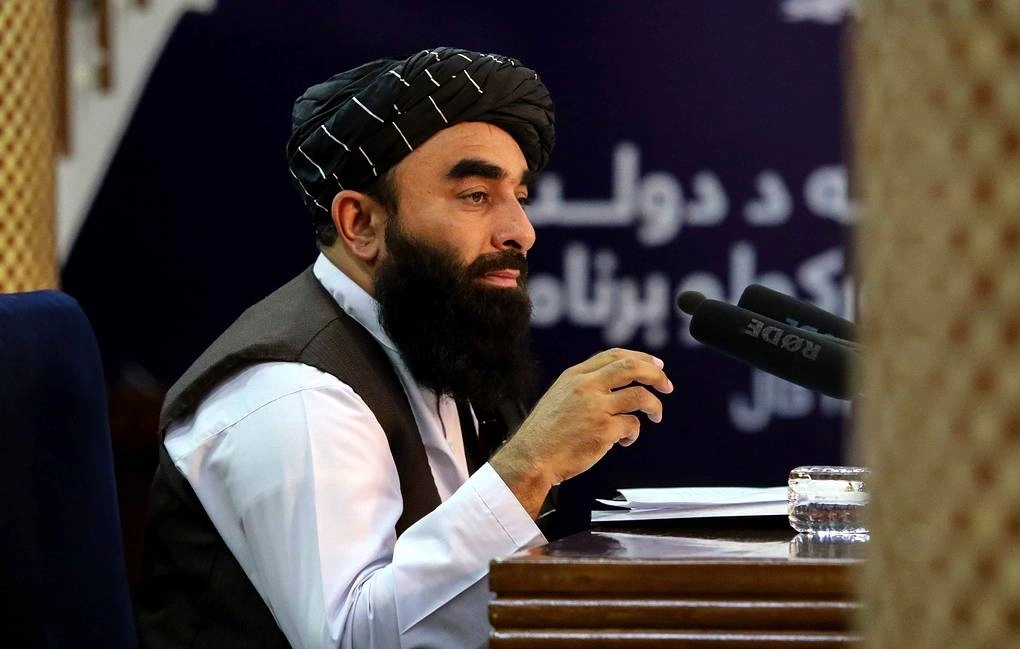
In a recent interview with Al Arabiya, Taliban spokesperson Zabihullah Mujahid firmly rejected claims that Afghanistan under Taliban rule serves as a sanctuary for international terrorist organizations. He denied that cross-border attacks against neighboring countries originate from Afghan soil and criticized recent Pakistani precision strikes as acts of aggression rather than counterterrorism measures.
However, Mujahid’s assertions stand in contrast to a series of international monitoring reports and regional security assessments that paint a far more concerning picture. United Nations monitoring mechanisms have repeatedly stated that multiple terrorist organizations continue to operate from within Afghanistan. These reports identify more than twenty groups, including Tehrik-i-Taliban Pakistan (TTP), ISIL-K (ISKP), Al-Qaeda, and ETIM/TIP, as maintaining varying levels of operational presence in the country.
International Assessments Raise Alarm
According to a Russian security assessment, an estimated 20,000 to 23,000 militants linked to various organizations are believed to be present inside Afghanistan, with nearly half described as foreign nationals. The same report estimates that ISKP maintains approximately 3,000 fighters, while TTP’s strength ranges between 5,000 and 7,000 militants, many allegedly focused on cross-border attacks targeting Pakistan.
UN Monitoring Team findings further suggest that TTP has been granted greater operational freedom following the Taliban’s return to power. Reports indicate a noticeable rise in attacks against Pakistan traced back to Afghan territory. Additionally, Al-Qaeda is described as continuing to function with Taliban patronage, serving as a training and advisory hub for affiliated groups. ETIM/TIP elements are reportedly benefiting from freedom of movement and, in some cases, integration into local security structures.
EXCLUSIVE: Taliban spokesman Zabihullah Mujahid signals a military response to recent Pakistani airstrikes.#Afghanistan #Taliban #Pakistan @Zabehulah_M33 pic.twitter.com/08TKXlDGuW
— Al Arabiya English (@AlArabiya_Eng) February 25, 2026
Pakistan’s Security Concerns and Diplomatic Engagement
Pakistani authorities maintain that they have consistently raised concerns about terror sanctuaries through diplomatic channels, intelligence-sharing mechanisms, and mediation efforts facilitated by Qatar and Türkiye. Officials argue that these engagements did not produce verifiable dismantling of militant infrastructure.
Islamabad asserts that only after exhausting warnings and coordination proposals did it conduct intelligence-based, precision strikes targeting identified terrorist camps and leadership nodes. Pakistani officials insist that these operations were directed at militant hideouts responsible for sustained cross-border attacks, not civilian infrastructure.
Security analysts emphasize that documented and publicly claimed TTP attacks have been operationally traced to Afghan soil. From this perspective, describing counterterror self-defense as aggression while simultaneously denying the presence of entrenched militant networks is seen by critics as a strategic deflection.
Credibility at Stake
The controversy underscores a widening credibility gap. When assessments from UN monitoring teams, Russian security evaluations, and regional intelligence agencies converge on similar findings, outright denial may not dispel concerns. Instead, analysts argue, it risks deepening international skepticism regarding Afghanistan’s counterterror commitments.
At the heart of the dispute lies a broader question about regional stability. For Pakistan, the continued presence and operational liberty of TTP and other militant groups inside Afghanistan represents a primary destabilizing factor. For the Taliban leadership, maintaining international legitimacy requires addressing these allegations with transparency and verifiable action.
As tensions persist, the situation reflects the fragile security architecture of the region—where competing narratives, cross-border militancy, and diplomatic strain continue to shape an increasingly complex geopolitical landscape.
Read more :Fact-Checking Zabihullah Mujahid on Terror and Regional Instability











