
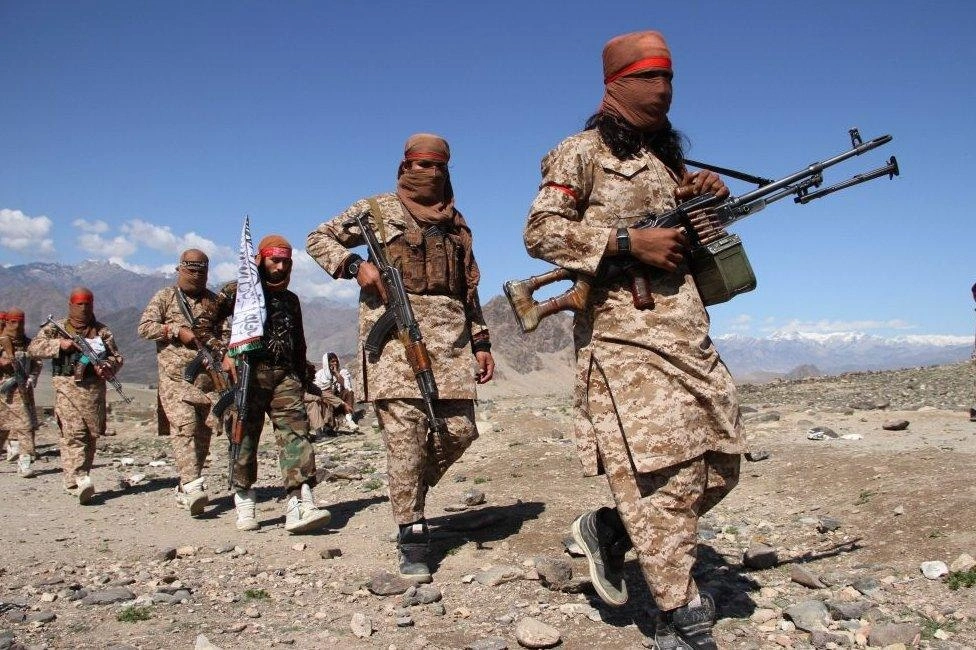
Islamabad / Kabul – Recent cross-border counterterrorism operations by Pakistan have once again drawn strong criticism from the Afghan Taliban regime, which has claimed civilian harm and accused Pakistan of targeting innocent people. Analysts and experts, however, say these claims reflect a longstanding pattern of narrative manipulation by the Taliban to deflect attention from its own role in harboring militant networks.
Pattern of Propaganda
Observers note that the Taliban frequently employ dramatic accusations and emotional framing whenever their operational bases or safe havens are targeted. Reports suggest that this “victimhood” narrative is invoked almost immediately following any strike against terror hideouts. According to security analysts, the tactic aims to manufacture outrage, garner sympathy, and shift scrutiny away from the regime’s repeated failures to prevent militant activity on Afghan soil.
Permissive Space for Militants
The Taliban administration has been repeatedly called upon by Pakistan to dismantle networks of anti-Pakistan proxies and international terrorist outfits operating from Afghanistan. Instead of taking decisive action, the regime has largely relied on denial while cross-border attacks continued unabated. These militant operations have targeted Pakistani markets, mosques, and civilian gatherings, causing significant casualties.
Accountability and Credibility
Critics argue that the Taliban’s credibility as a regime is undermined by its tolerance and support for militant groups responsible for violent attacks. “A government linked to networks that attack schools, mosques, and marketplaces cannot credibly posture as a sole victim when security forces confront these threats,” said one regional security analyst.
Targeting Terror Infrastructure
Pakistan’s counterterror measures focus specifically on military positions, operational bases, and infrastructure used by militants to carry out cross-border violence. While civilian casualties are deeply regrettable in any conflict, officials stress that the operations are intelligence-driven, precise, and aimed solely at degrading terrorist capabilities. Reframing these strikes as deliberate attacks on civilians, analysts warn, is a calculated strategy to shield militant assets from scrutiny.
Weaponized Victimhood
Security commentators describe the Taliban’s narrative as “weaponized victimhood”—an emotional and predictable response whenever militant infrastructure faces pressure. By amplifying claims of civilian harm, the Taliban attempt to control public perception and rally sympathy. Meanwhile, the core issue remains: terrorist sanctuaries continue to operate under Taliban protection, creating persistent threats to regional security.
The episode highlights the broader challenge of counterterrorism operations in Afghanistan, where militant networks exploit permissive environments, and the narratives surrounding civilian harm can be leveraged to obscure the reality of militant accountability.











