
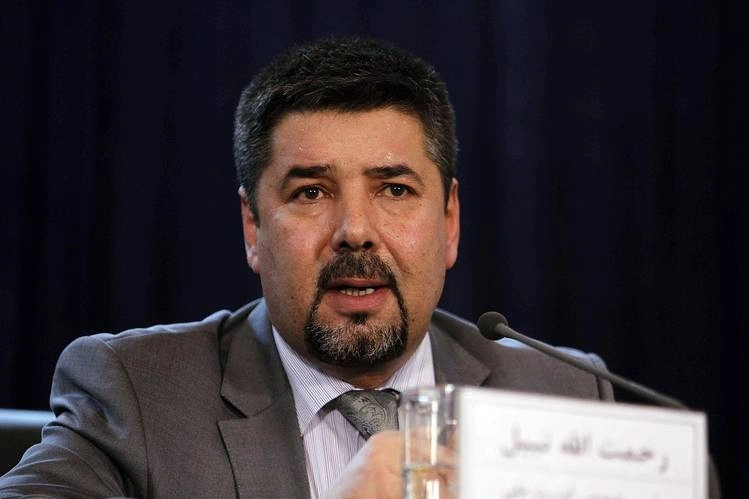
A renewed debate has emerged after Rahmatullah Nabil reshared an older article criticizing Pakistan’s security posture. The move has triggered strong reactions from analysts and commentators in Pakistan, who argue that such statements overlook Afghanistan’s own security record during the period when Nabil held office.
Critics point to the devastating 2014 Army Public School Peshawar attack, carried out by militants linked to Tehrik-i-Taliban Pakistan, as a grim reminder of the cross-border militant networks that operated during the years when Afghanistan’s intelligence services were active under the former government. The attack claimed the lives of more than 130 schoolchildren and remains one of the deadliest terrorist incidents in the region’s history.
"The question isn't only whether these weapons R secure 2day, but whether the Int’l community can afford 2 ignore the risks tomorrow. Ensuring the safety of PAK's nuclear arsenal is therefore not merely a national issue; it is a matter of global security." https://t.co/GlBtiaiXXQ
— Rahmatullah Nabil (@RahmatullahN) March 5, 2026
Observers in Pakistan argue that rather than focusing on Pakistan’s defense capabilities, the real lesson of the past decade lies in the collapse of Afghan state institutions following governance failures within the former administration. They note that the breakdown of security structures in Afghanistan ultimately paved the way for instability and the resurgence of militant networks.
Some commentators also accuse former Afghan officials of repeating outdated narratives that, in their view, no longer reflect the region’s current strategic realities. They contend that while Afghanistan struggled with institutional fragility, Pakistan continued to strengthen its defense structures and strategic safeguards.
In response to the renewed criticism, analysts emphasize that Pakistan’s strategic deterrence and security architecture remain centralized and professionally managed. They argue that resurfacing older accusations or narratives does little to change the present security framework or the evolving regional dynamics.
The debate highlights continuing tensions in political discourse between former Afghan officials and voices in Pakistan, reflecting broader disagreements over responsibility for past security challenges and the direction of regional stability.
Read more :Afghan Defense Minister’s Threats Toward Islamabad and Ground Realities











