
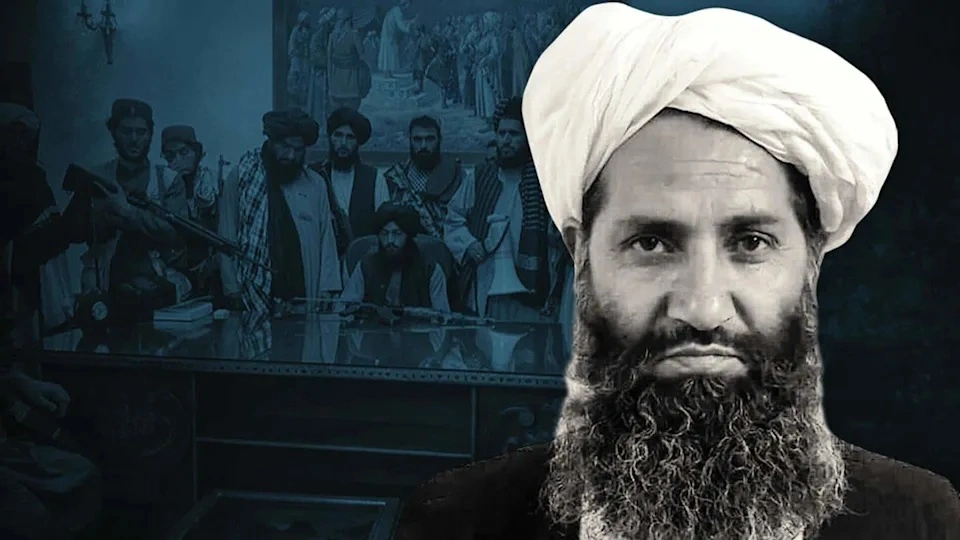
KANDAHAR – Taliban supreme leader Hibatullah Akhundzada delivered Eid prayers in Kandahar this week, using the occasion to issue veiled remarks on Pakistan, projecting defiance while ignoring the continuing cross-border militancy originating from Afghan soil. His statements, which included lines such as “We don’t care about anyone bombing or firing artillery… If we were afraid of this, NATO and the West would have succeeded in defeating us,” drew attention amid Islamabad’s announcement of a temporary operational pause for the holiday period.
Pakistan Announces Temporary Pause
The Pakistani government had earlier declared a suspension of “Operation Ghazab-lil-Haq” from March 18–23, 2026, as a goodwill gesture aligned with Islamic norms and in response to requests from allied countries including Saudi Arabia, Qatar, and Turkiye. Officials emphasized that this pause reflects Pakistan’s intent for de-escalation rather than a compromise on security, noting that any cross-border attacks, including drone strikes or terrorist activity, would trigger an immediate and intensified response.
Misplaced Parallels with NATO Era
Analysts point out that Akhundzada’s rhetoric draws superficial parallels with the NATO-era conflict in Afghanistan, overlooking a critical distinction: Pakistan is not a foreign occupying force but is responding to repeated attacks by the Tehrik-i-Taliban Pakistan (TTP), which operate with relative freedom from Afghan territory. While the Eid sermon acknowledged that “it is the right of the people to ask us where our government is heading,” the statements offered no solutions to the ongoing security challenges.
Strategic Concerns and Militant Safe Havens
Security observers argue that such defiant messaging from Kabul undermines efforts to reduce tensions, highlighting the continued presence of militant safe havens. Despite the temporary pause, Pakistan’s position remains firm: the military is committed to protecting its citizens, and operations against TTP and other terrorist networks will resume if provoked.
Pakistan Signals Restraint, Warns Against Provocation
“The Eid pause is a signal of restraint and good faith,” said a senior Pakistani security official. “It is a period for reflection and religious observance, but our patience should not be mistaken for weakness. Cross-border militancy threatens stability and will be met decisively.”
Broader Strategic Reality
The temporary suspension of operations is intended to foster calm during the festive period, yet the Taliban leader’s rhetoric underscores the broader strategic reality: lasting stability in the region depends on dismantling terrorist networks, not merely amplifying nationalist or ideological messaging during religious occasions.
Read more :Taliban Leader’s Eid Message Draws Criticism Amid Repressive Policies











