
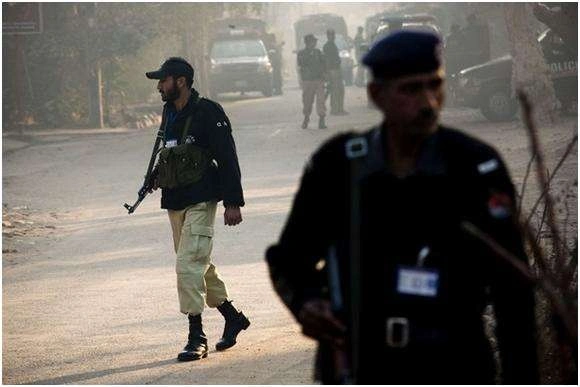
Quetta – March 19, 2026- A foiled terrorist plot in Balochistan has highlighted both the operational threat of the Baloch Liberation Army (BLA) and the exploitation of women for extremist agendas, while also exposing attempts by certain platforms to manipulate public perception through misleading narratives.
During a press conference, Chief Minister Sarfaraz Bugti revealed that security agencies successfully intercepted a female suicide bomber, saving the country from what could have been a major attack. The woman, identified as Laiba, also known as Farzana, spoke publicly for the first time about her recruitment. She disclosed that she hails from Khuzdar district and had been misled by a Taliban-linked commander to carry out the suicide mission. Laiba further explained that her role had included recruiting and training other girls for similar attacks.
سیکیورٹی فورسز اور انٹیلیجنس اداروں کو اس کامیاب کارروائی پر خراجِ تحسین، جن کے بروقت ایکشن سے بڑا سانحہ ٹل گیا اور قیمتی جانیں بچ گئیں۔ لائبہ کیس نے ایک بار پھر بی ایل اے، بی ایل ایف، بی وائی سی اور ٹی ٹی پی کے گٹھ جوڑ کو بے نقاب کر دیا۔ یہ عناصر معصوم نوجوانوں کو برین واش کر کے… pic.twitter.com/x0RwOYTMTQ
— Attaullah Tarar (@TararAttaullah) March 18, 2026
Weaponizing the “Missing Person” Narrative
Prior to this revelation, several online platforms, including Paank and networks associated with the Baloch National Movement and Baloch Yakjehti Committee, had portrayed Laiba as a victim of enforced disappearance. These platforms amplified her “missing person” status across social media, tagged international human rights organizations, and framed the state as responsible for her alleged disappearance.
However, when Laiba appeared publicly as a foiled suicide bomber, the narrative collapsed under verifiable facts, revealing a pattern of misinformation and narrative manipulation designed to advance militant agendas. Analysts stress that such disinformation risks misleading international stakeholders, undermining genuine human rights advocacy, and obscuring the realities of terrorist recruitment in the region.
Exploitation of Women in Terrorist Networks
The case exposes a deliberate strategy by terrorist organizations to exploit vulnerable women, particularly those facing emotional distress, social isolation, or domestic challenges. Women are often chosen because they attract less suspicion, generate public sympathy, and serve as effective propaganda tools when labeled as victims. Once exposed, they are frequently abandoned by the very networks that recruited them.
Authorities emphasized that this incident is not isolated. Terrorist networks in Balochistan and neighboring regions have repeatedly attempted to manipulate young women using false narratives of ethnic or political grievances. CM Bugti described the tactic as a form of hybrid warfare, warning that extremist groups create misleading stories to influence young minds and turn them against their own country.
State Response: Security and Rehabilitation
The government has adopted a dual approach to the incident:
• Preventive security measures to avert loss of life.
• Rehabilitation and de-radicalization programs for individuals drawn into extremist networks.
By treating Laiba as a victim of radicalization rather than solely as a perpetrator, authorities demonstrate a commitment to reintegration while maintaining zero tolerance for terrorism.
Implications for Media, Civil Society, and International Observers
The case raises critical questions:
• How many narratives are accepted without verification?
• To what extent are digital platforms shaping perception ahead of facts?
• How can genuine human rights concerns be protected from exploitation by violent actors?
Experts note that entities like Paank act as narrative multipliers, projecting selective or unverified information to shape international perception, often before facts are established. Such practices risk undermining regional security and misrepresenting the true threat posed by militant networks.
A Call for Vigilance
Officials urged youth and communities to remain vigilant and not allow themselves to be exploited by extremist groups. The press briefing underscored the continuing efforts of Balochistan’s law enforcement and intelligence agencies to dismantle terrorist networks, prevent attacks, and protect vulnerable communities from radicalization.











