
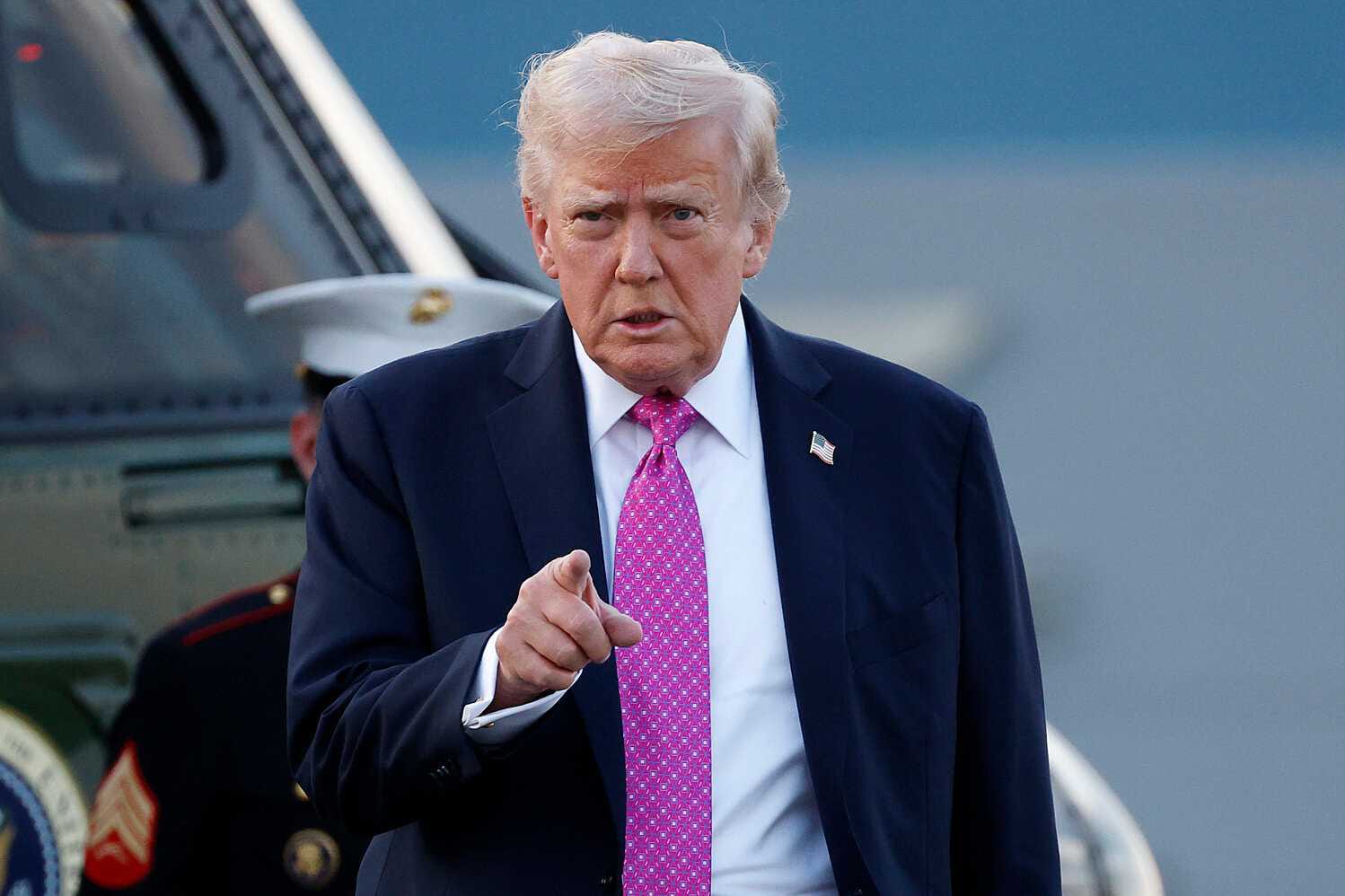
A brief pause in rising tensions has emerged after US President Donald Trump announced a five day delay in planned strikes on Iranian energy targets. The announcement was made on Truth Social, where he said the decision followed what he described as very good and productive conversations with Iran.
According to the US position, the pause could create space for further discussions in the coming days. This has raised hopes that the situation may move towards de escalation, at least in the short term.
However, Iran has strongly rejected this claim. Officials speaking through Tasnim News said there have been no talks, either direct or indirect, with the United States. Instead, they argued that the pause is the result of pressure and risk calculations, not diplomacy.
As a result, two very different narratives have emerged. On one side, the US presents the pause as a diplomatic opening. On the other, Iran insists that no such engagement exists.
Meanwhile, the situation on the ground has not changed significantly. The pause does not mean that military options have been removed. It only delays possible action for a short period.
At the same time, key pressure points remain. Iranian energy facilities and the Strait of Hormuz continue to be central to the standoff. Any disruption in these areas could affect global energy supplies and markets.
In addition, the risk of escalation is still present. The five day window is short, and both sides appear to be holding their positions. This means that tensions could rise again once the pause ends.
Furthermore, the decision may also reflect wider concerns. Market instability and regional risks could have played a role in slowing down immediate action.
The pause offers a moment of relief but not a clear solution. With both sides maintaining different versions of events, uncertainty remains. The coming days will be critical in deciding whether this pause leads to calm or simply delays the next phase of tension.











