
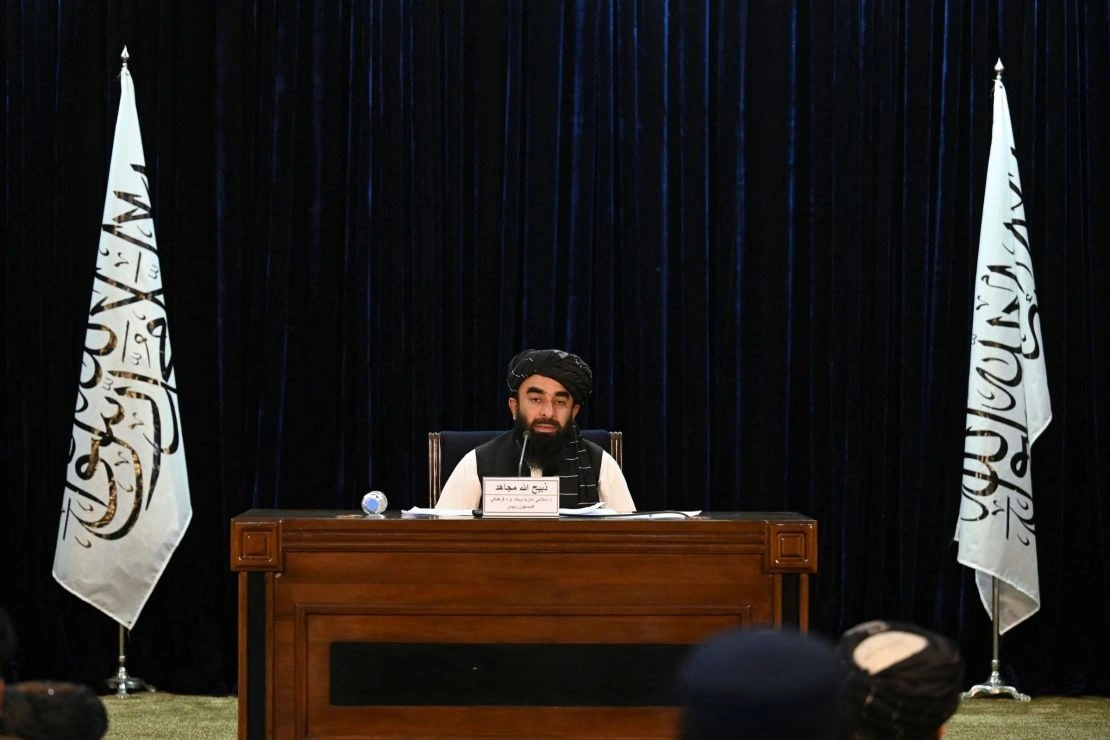
The spokesperson of the Islamic Emirate of Afghanistan, Zabihullah Mujahid, recently outlined a strategy based on “media discipline” and “Islamic ethics” during a special journalism training session organized by the Ministry of Information in Kabul. However, ground realities present a completely different picture. Investigations and reports by international organizations indicate that this policy is, in fact, a tool for propaganda and control over information under the guise of “morality,” highlighting a wide gap between words and actions.
According to details, Mujahid instructed journalists and social media users to refrain from using offensive language, mockery, or insults—even against enemies. He emphasized that the leadership of the Emirate firmly believes that those who use abusive language to demean others ultimately degrade themselves in society. He stated that maintaining dignity is essential and that media should promote decency rather than provocation, as Islamic law does not permit insulting even one’s enemies.
Sanctity of Human Life
While Mujahid referred to the Prophet’s teachings, emphasizing patience and restraint in response to insults, one of the most fundamental aspects of the Prophet’s example is the sanctity of human life. Islamic teachings clearly state that the killing of one person is akin to killing all humanity, and even during the conquest of Mecca, bloodshed was avoided.
In contrast, ground realities show that armed groups and militant elements based in Afghanistan continue to target civilians and security forces in Pakistan. This contrast raises questions: how can there be calls for restraint in speech while, at the same time, violence is allegedly carried out across borders? This contradiction suggests that the policy of “soft language” is merely a narrative tool rather than a reflection of actual practice.
Claims vs Reality
Mujahid also claimed that the Islamic Emirate has never discriminated between Shia and Sunni communities and treats all citizens equally. However, evidence suggests otherwise. Reports indicate that in Hazara (Shia-majority) areas, Shia religious materials have been removed from educational curricula, contradicting claims of equal treatment and pointing toward sectarian discrimination.
Media Discipline or Strict Censorship?
Mujahid described “accuracy and verification” as key elements of the media policy. However, data from international journalism organizations paints a different picture. According to Reporters Without Borders, hundreds of journalists in Afghanistan have been detained or subjected to violence for reporting facts that differ from the official narrative.
Additionally, underreporting or concealing casualty figures from bombings or border clashes in Kabul is not transparency but rather control over information and media—contradicting the principle of truthfulness emphasized in Islamic teachings.
Limited Space for Criticism and Political Suppression
Mujahid stated that “not creating enemies is our policy,” yet in practice, any voice that criticizes the Emirate’s policies—particularly regarding women’s education—is labeled as an “enemy” or a “Western agent.” The arrests of Afghan professor Ismail Mashal and other intellectuals serve as evidence that there is little to no space for dissent.
In an environment where disagreement leads to imprisonment, discussions of media discipline appear to be more of a diplomatic façade than a genuine commitment to ethical journalism.











