
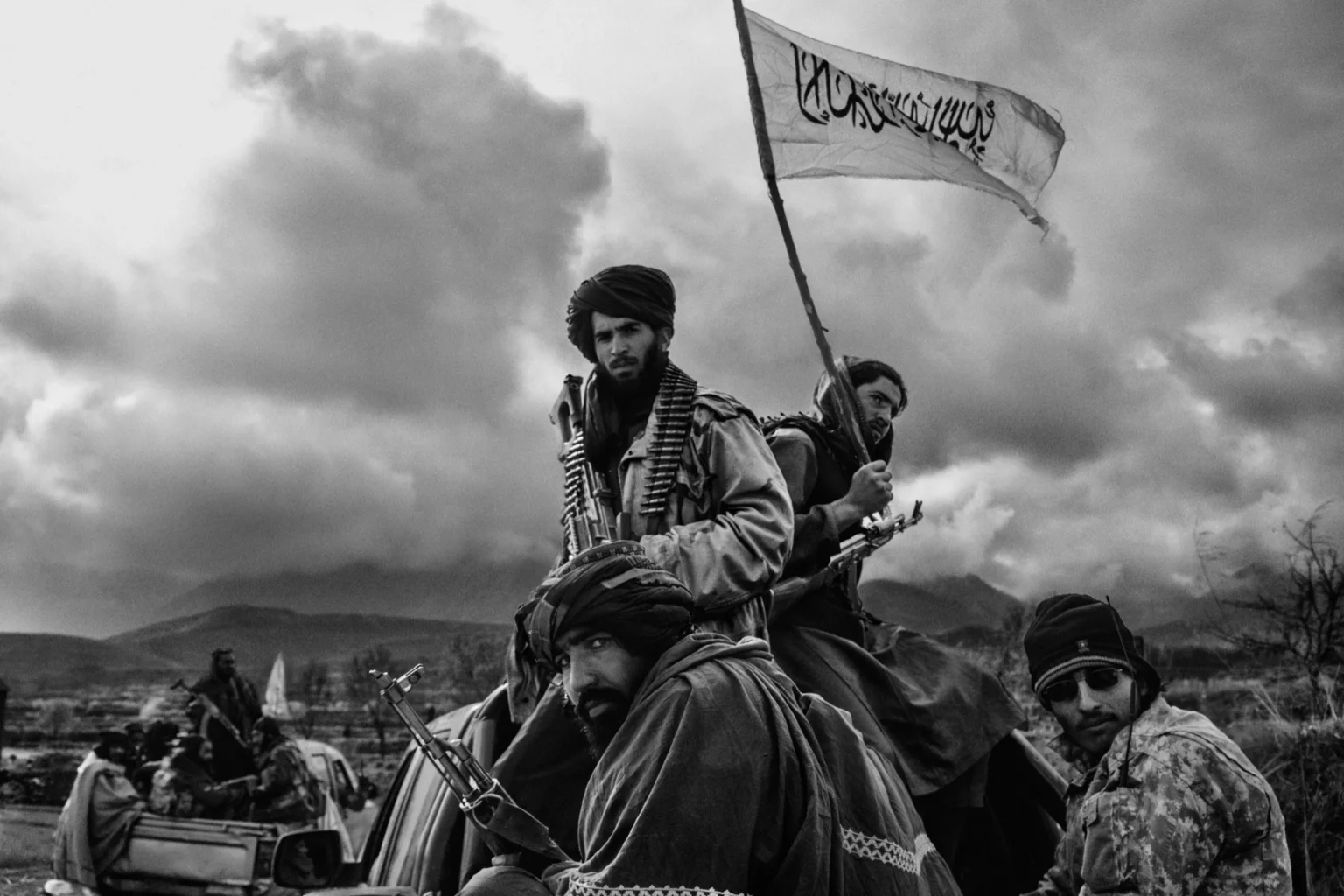
Since returning to power, the Taliban have repeatedly claimed that Afghanistan is now peaceful and stable. However, when ground realities and international reports are closely examined, a very different picture appears. Instead of building an inclusive and responsible state, the Taliban have followed rigid policies that have isolated the country and pushed ordinary Afghans into deeper hardship.
At present, Afghanistan is facing the combined impact of political repression, security failures and economic decline. Together, these problems reveal a system that is struggling to meet even the basic needs of its people.
Ideological Control and Security Failures Hurt the State
To begin with, the Taliban govern without seeking public consent. According to reports cited by the United Nations, the leadership rules through strict ideology rather than popular support. Supreme leader Hibatullah Akhundzada remains largely out of public view and runs the country through decrees issued from Kandahar. Any internal debate on girls education or women rights is quickly silenced. Officials who question these policies are removed, detained or forced out. As a result, even limited voices of moderation inside the system are crushed.
At the same time, the Taliban’s security claims are proving unreliable. Despite repeated assurances, militant groups continue to operate from Afghan soil. Thousands of fighters linked to Tehreek e Taliban Pakistan are believed to be present in different provinces. Many attacks inside Pakistan have been traced back to these areas. This situation damages not only regional security but also Afghanistan’s own national interest.
Because of rising tensions, borders often close and trade slows down. Each closure hurts Afghan businesses and daily wage workers. Moreover, diplomatic isolation increases as neighboring countries and the wider world lose trust. In simple terms, every cross border attack adds another burden on ordinary Afghan families who are already struggling to survive.
Economic Decline and Poverty Grip Everyday Life
Meanwhile, economic conditions continue to worsen. The World Bank has projected some overall growth in Afghanistan’s economy. However, this growth does not translate into better living standards. The population is rising rapidly, partly due to the return of more than two million refugees. Because economic output is not keeping pace, income per person is expected to fall further.
In daily life, this means fewer jobs, higher prices and shrinking opportunities. Drought, reduced foreign aid and trade disruptions have weakened agriculture and small businesses. Families find it harder to afford food, healthcare and education. The government highlights large numbers, but households feel poorer with each passing month.
In addition, poverty has reached alarming levels. A large share of the population depends on humanitarian aid to meet basic needs. Even so, funding gaps remain wide. Public finances rely heavily on external support, showing that the current system is not self sustaining. The country also faces a growing deficit, which threatens long term stability.
Perhaps the most damaging policy is the exclusion of women. Only a small fraction of Afghan women are allowed to work outside their homes. Girls remain barred from higher education. This has serious economic costs because half the population is prevented from contributing to growth. It also weakens healthcare and aid delivery, especially for women and children, as female workers are restricted.
A Future That Demands Change
Taken together, these realities show that Afghanistan’s crisis is not accidental. It is the result of deliberate choices. Support for militant groups, suppression of basic rights and failure to build an inclusive economy have pushed the country into isolation and poverty.
Looking ahead, meaningful change is essential. Without policy shifts and responsible engagement with the world, the suffering of Afghan citizens will continue. The people of Afghanistan deserve a future based on peace, education and opportunity, not fear and deprivation. Their hopes lie not in ideology or violence, but in stability that allows families to live with dignity and security.











