
Recent reports from the United Nations and the World Bank challenge Taliban claims of stability and economic recovery in Afghanistan. According to the UN Security Council monitoring team, the Taliban’s assertion that no militant groups operate from Afghan soil does not match reality. The report states that nearly six thousand fighters linked to the Tehreek-e-Taliban are present in Afghanistan and receive shelter and support.
Meanwhile, the report reveals that more than six hundred attacks carried out inside Pakistan during 2025 were planned from Afghan territory. As a result, border closures and security tensions have followed. Consequently, Afghanistan’s economy is losing around one million dollars every day. In the end, ordinary Afghan families are paying the price through lost income and rising hardship.
Economic Growth Fails to Ease Widespread Poverty
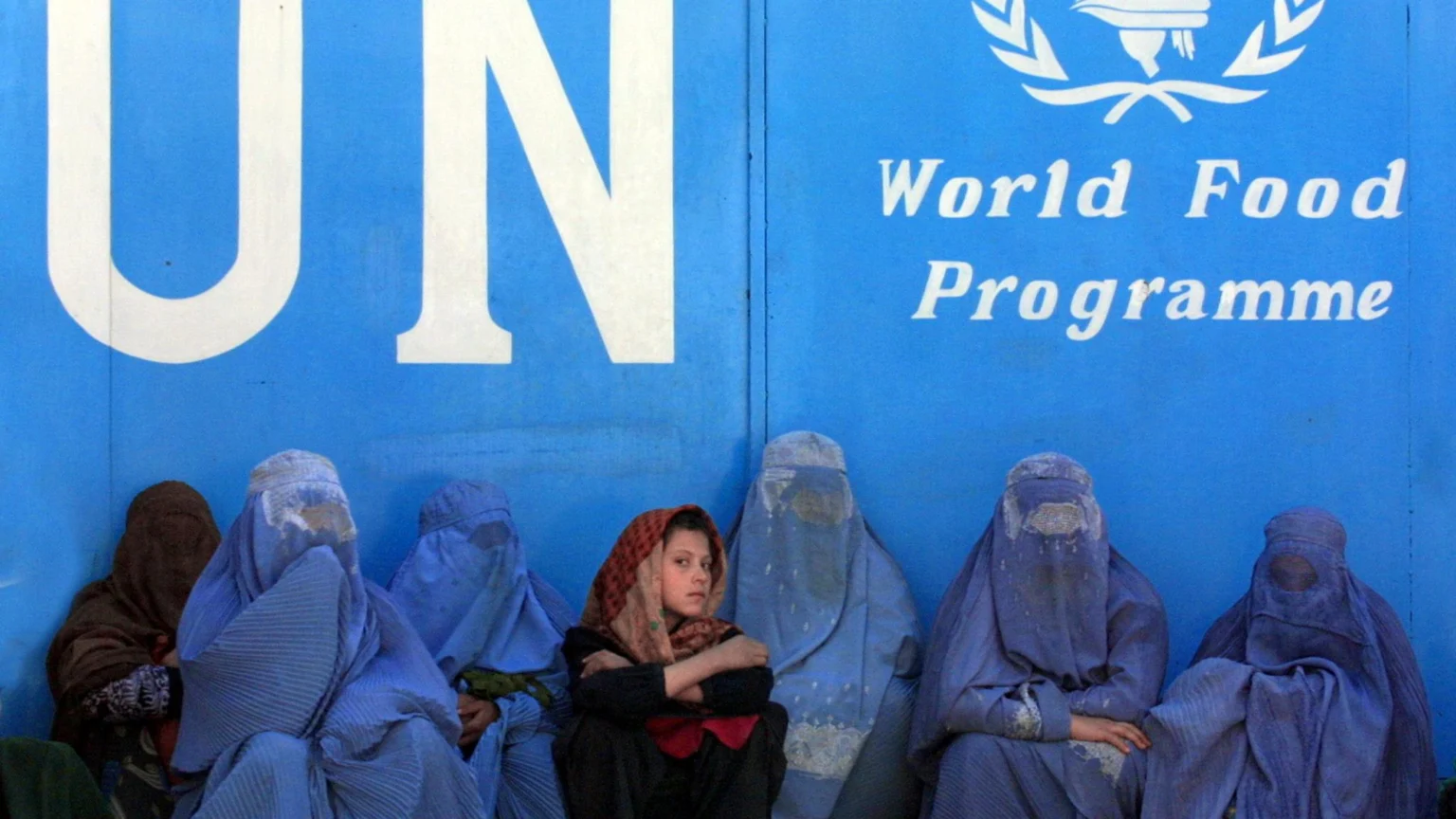
At the same time, World Bank assessments paint a troubling economic picture. While Afghanistan’s economy is expected to grow by 4.3 percent in the 2025 fiscal year, population growth is rising even faster. Because of this, income per person is expected to fall by four percent. Current data shows that nearly 27 million people, around 65 percent of the population, are living in multi dimensional poverty.
In addition, the United Nations Development Programme reports that in 2024, three quarters of Afghans faced serious uncertainty in meeting basic needs like food and shelter. The World Bank has also warned that the Taliban have not built a stable or self sufficient economy. More than 40 percent of government revenue depends on foreign aid. Due to this heavy reliance, Afghanistan’s current account deficit is expected to reach nearly 32 percent. As a result, daily survival is becoming even harder for the average Afghan citizen.











