
United Nations reports have raised serious concerns about governance under the Taliban in Afghanistan. According to a UN Security Council monitoring team, the Taliban leadership does not seek public support or approval for its policies. Instead, decisions are made in a highly centralized and strict system led from Kandahar.
The report also highlights internal intolerance. Members of the Taliban who questioned restrictions on girls’ education and women’s rights were reportedly removed from their positions or sent into exile. As a result, even moderate voices within the group are being silenced. This has created a system with very limited space for reform or public participation.
Women’s Rights Restrictions Worsen Economic and Social Conditions
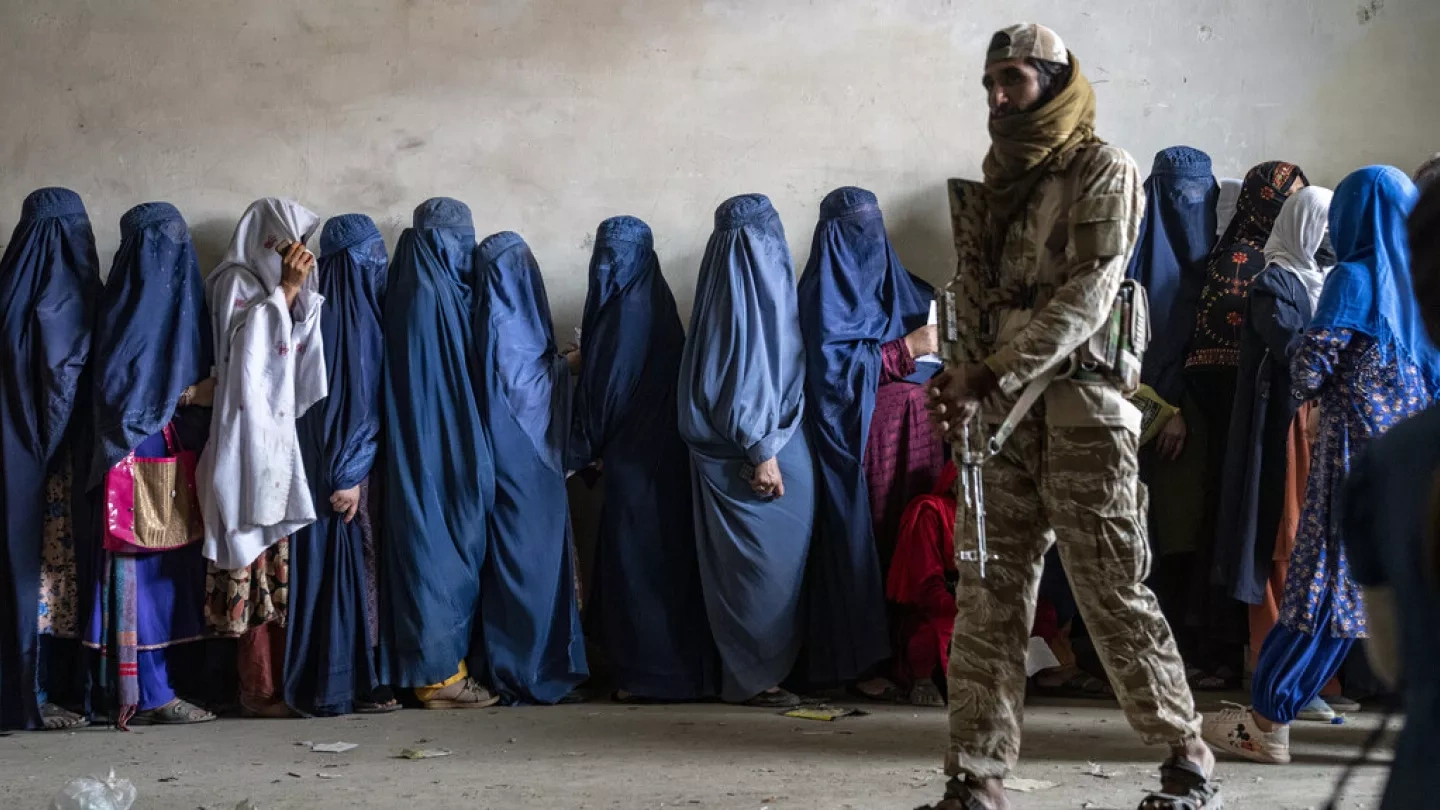
At the same time, the United Nations Development Programme reports a sharp gender gap in employment. In 2024, only about 7 percent of Afghan women were working outside their homes, compared to 84 percent of men. This shows how women have been largely excluded from the workforce.
In addition, restrictions on education and employment for women are creating long term economic damage. Half of the country’s population is effectively removed from economic activity. Because of this, the United Nations warns that sustainable development and lasting peace are not possible under current conditions.
Moreover, restrictions on female healthcare workers, including nurses and midwives, are also affecting medical services for women and children. As a result, access to basic healthcare and aid delivery has become more difficult in many areas.
Finally, UN assessments suggest that Afghanistan’s humanitarian crisis is deepening. While people struggle with poverty and limited opportunities, the overall situation continues to worsen under strict policies and reduced participation of women in public life.











