
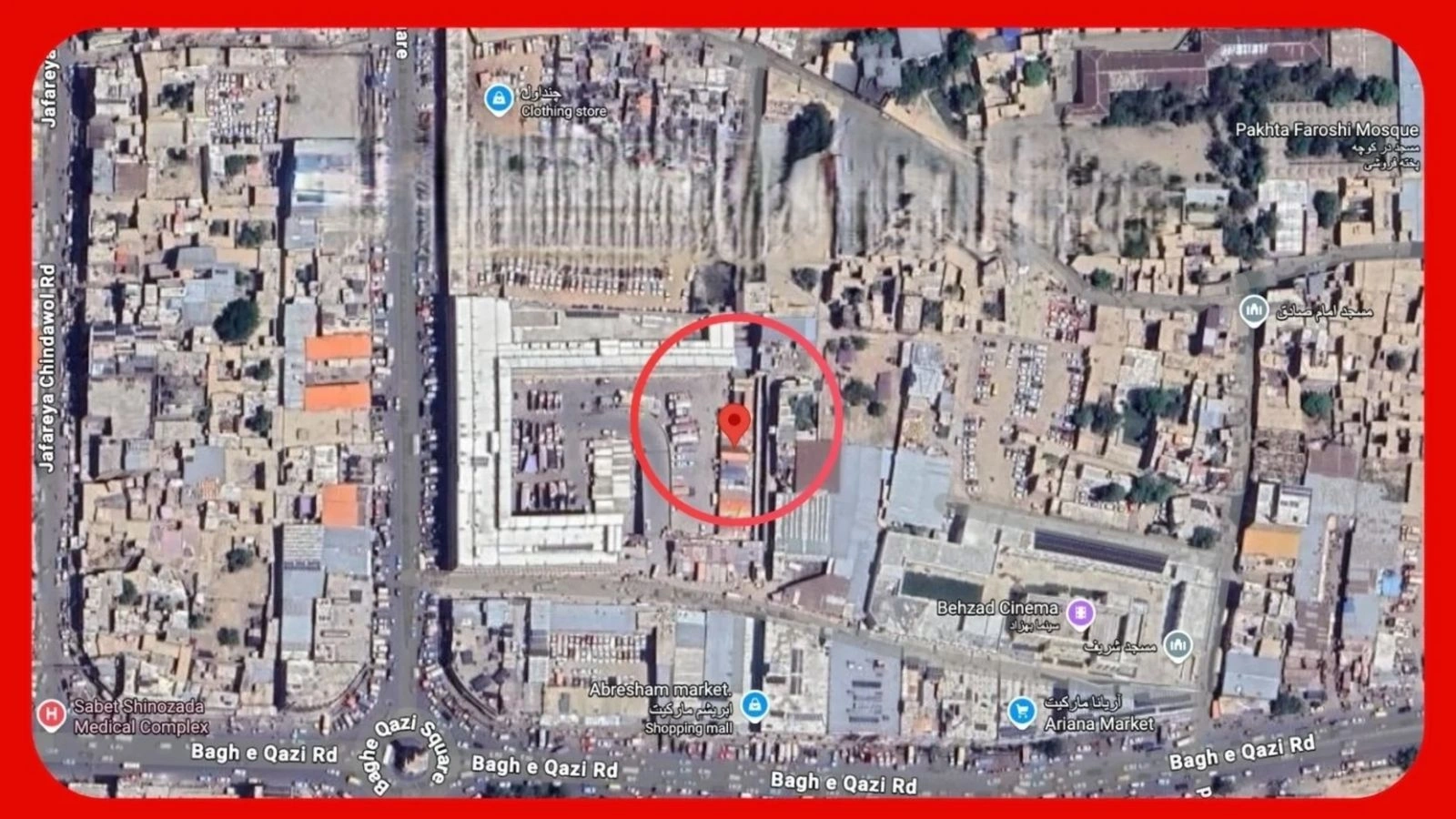
Kabul — A concerning report issued by the Afghan Green Trend group, led by former Afghan Vice President Amrullah Saleh, claims that Taliban military intelligence has launched a crackdown linked to the alleged concealment and transfer of military equipment in densely populated areas of Kabul.
According to the report, individuals were detained by Taliban intelligence at its headquarters in the Siah Sang area of Kabul over information related to the movement of weapons and suspected militant elements near areas such as Bagh-e Qazi and Mandawi Road. These detainees are reportedly being held for interrogation in Siah Sang in an effort to prevent details of the alleged concealment activities from emerging.
Allegations of Use of Human Shields
The report further alleges that the Taliban are deliberately hiding weapons and militant networks within civilian economic centers and busy marketplaces. It describes this practice as effectively using civilians as human shields, placing populated commercial areas at risk of becoming conflict zones in the event of any escalation.
Crackdown on Information Sources
Afghan Green Trend also claims that the Taliban are not only relocating weapons but are also silencing individuals who expose these activities. The recent arrests, according to the group, reflect an environment where speaking out is being criminalized, and where civilians are increasingly targeted for revealing sensitive information.
The report argues that such actions highlight what it describes as administrative and ethical failures within the current system, where suppression of information has become a tool of governance.
Responsibility for Potential Damage
Analysts cited in the report warn that if any civilian harm occurs due to the presence of hidden weapons in populated areas, responsibility would lie directly with Taliban forces. They say embedding military assets within civilian spaces creates significant risks for the population and increases the likelihood of collateral damage in any future operations.











