
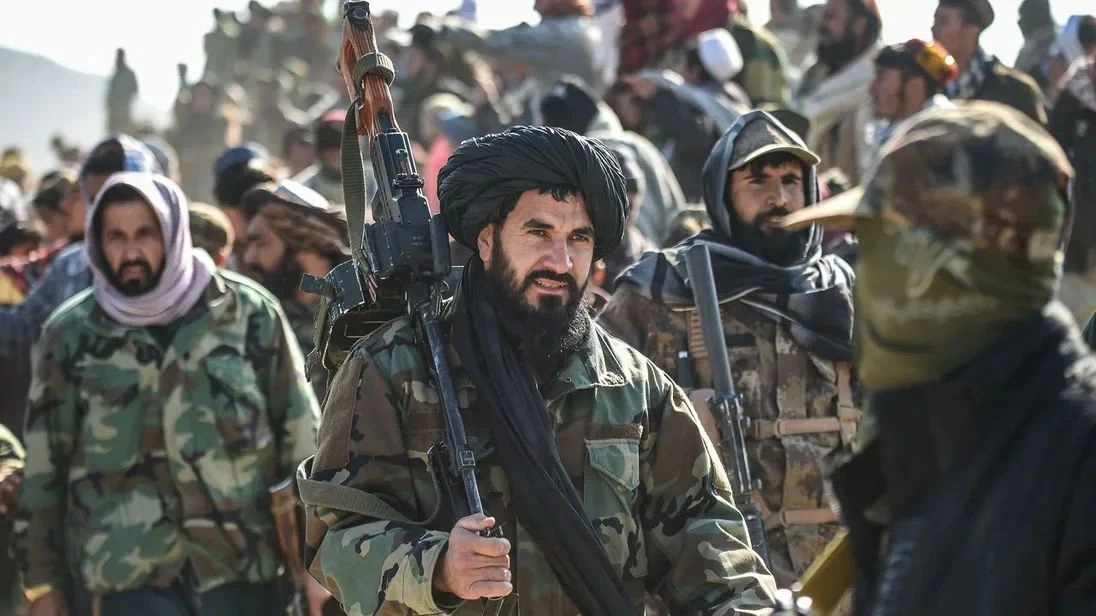
A sensitive European Union threat assessment report has warned that Afghanistan, under the Taliban regime, has once again emerged as a hub for international extremist networks and cross-border terrorism, with growing implications far beyond the region. The 23-page classified assessment highlights that militancy originating from Afghanistan is no longer a regional concern but has increasingly reached Europe’s doorstep.
According to the report, the security environment inside Afghanistan has enabled extremist groups—particularly ISIS-Khorasan—to establish safe havens and expand operational capabilities. The EU document identifies ISIS-K as one of the most serious external security threats currently facing European countries, citing its growing ability to build networks capable of carrying out disruptive and potentially large-scale attacks across the continent.
The assessment further raises alarm over digital radicalization, noting that terrorist organizations operating from Afghanistan are actively exploiting online platforms to spread propaganda and recruit vulnerable individuals. The report specifically highlights the use of popular social media applications such as Telegram and TikTok, warning that even children as young as 12 are being targeted for online indoctrination and recruitment into extremist networks.
Security experts say the findings of the leaked EU document reinforce long-standing concerns that Afghanistan has become a key center for extremism, drug trafficking, and cross-border militant activity. Analysts argue that weak governance and the presence of militant sanctuaries have allowed such networks to expand their reach globally.
The report also underscores the increasing international concern over the broader regional impact of instability in Afghanistan, warning that without effective containment measures, the threat could continue to expand and undermine global security in the coming years.











