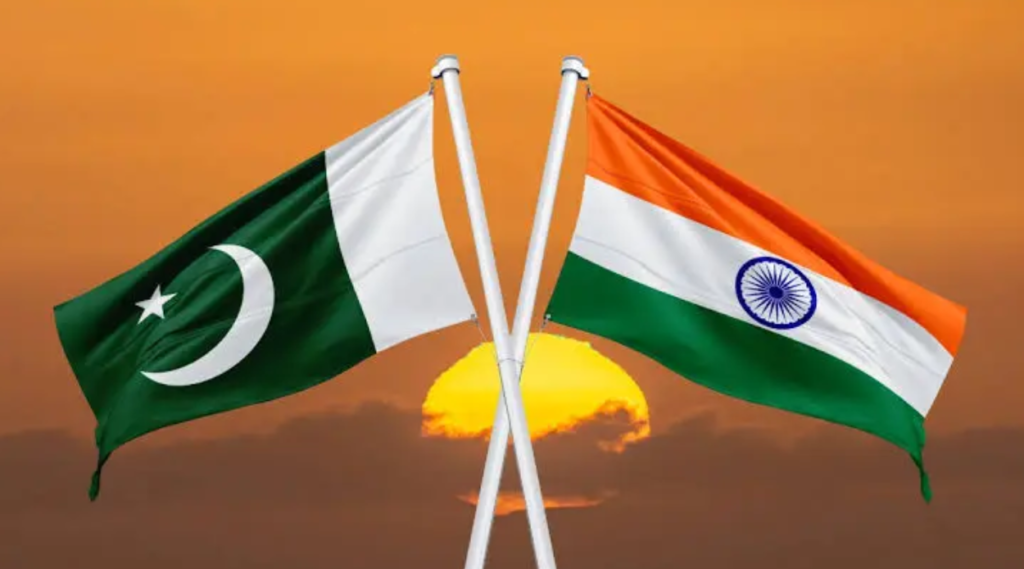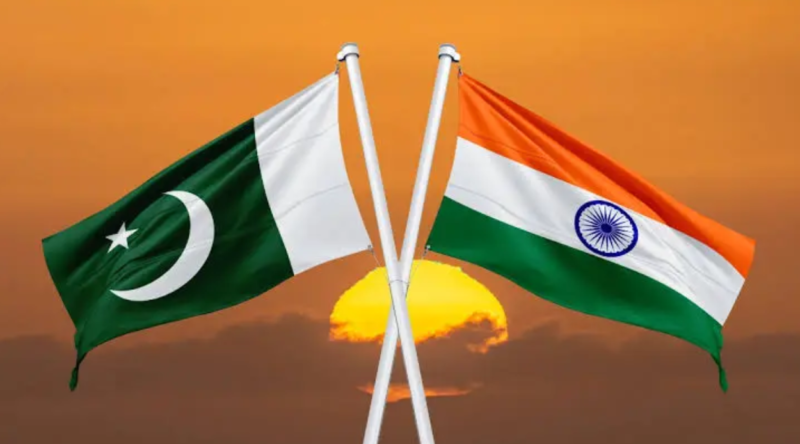
The history of South Asia bears witness that, from the very first day of its creation, Pakistan has proven itself a responsible state, making dialogue rather than war, and reconciliation rather than confrontation, the cornerstone of its foreign policy. Contrary to systematic propaganda and one-sided narratives aimed at misleading world opinion and portraying Pakistan as an aggressor, the real historical facts present an entirely different picture.
The diplomatic record spanning decades, and authentic reports from 1947 to 2026, are clear proof that Islamabad held fast to restraint, forbearance and diplomacy at every critical juncture. Respecting international laws and agreements, Pakistan played a key role in saving the region from a major confrontation, while the other side repeatedly displayed provocation and an aggressive posture.
According to reports, the peace initiatives and agreements undertaken by Pakistan include support for the United Nations ceasefire and plebiscite process in 1948–1949. This was followed by the Indus Waters Treaty in 1960, the Tashkent Declaration in 1966 and the Simla Agreement in 1972.
The reports indicate that the 1988 agreement on non-attack on nuclear installations, as well as the 1999 Lahore Declaration and bus diplomacy, were also part of serious efforts to reduce tensions. Likewise, the return of a captured Indian pilot and the easing of tensions in 2019, and the renewal of the ceasefire along the Line of Control in 2021, have also been described as significant diplomatic developments.
On the other hand, according to the reports, the list of Indian actions between 1947 and 2026 includes the occupation of Jammu and Kashmir in 1947–1948 and the refusal to hold a plebiscite. It also includes a reference to military intervention in East Pakistan in 1971 and the occupation of Siachen in 1984.
According to the reports, the claims of an alleged limited military action in 2016, the Balakot air strike in 2019, and the unilateral change on August 5, 2019, to the special status of India’s illegally occupied Jammu and Kashmir have also been highlighted. Furthermore, pressure on the Indus Waters Treaty during 2023–2025, and provocative statements, misleading information and border tensions between 2024 and 2026, have also been underlined.
The central point of the reports is that justice and a responsible approach to dialogue are indispensable for lasting peace, while oppression and occupation are not in the interest of the region. According to these reports, all parties will have to move forward with mutual respect and shared responsibility to ensure stability in the region.