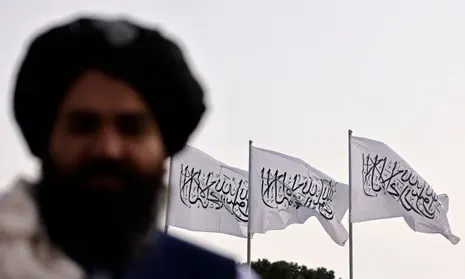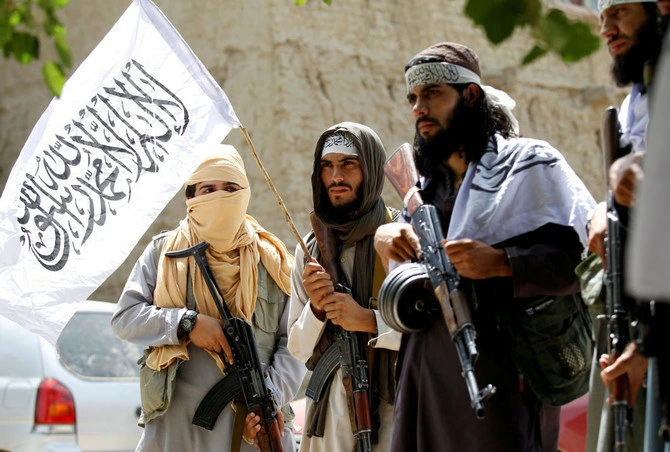
KABUL — More than a thousand Afghan clerics have issued a sweeping religious decree with potentially far-reaching implications for regional security and Afghanistan’s relations with neighboring states.
Led by senior scholars Sheikh Muhammad Ismail and Sheikh Habibullah Sanmgani, the gathering stressed the defense of the Islamic Emirate and the need for internal stability.
They said the Emirate emerged from “decades of sacrifice, jihad, martyrdom, and migration,” and that defending it remains a religious obligation just as establishing it was.
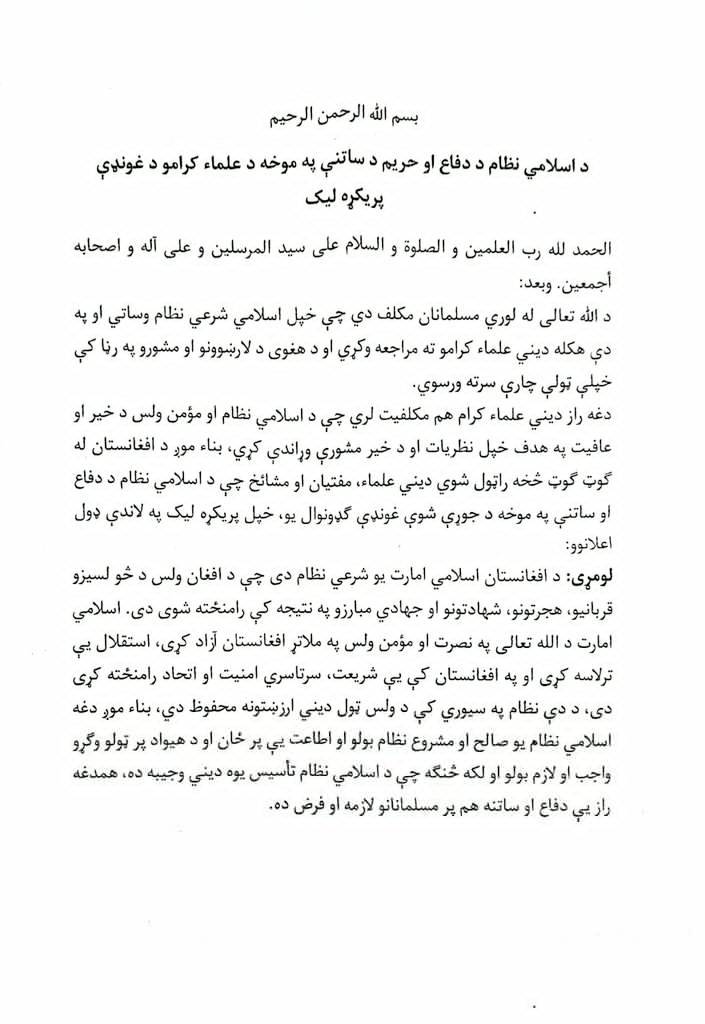
Foreign jihad prohibited; afghan soil cannot be used against other states
One of the most significant elements of the fatwa is the declaration that no Afghan citizen is allowed to participate in armed activity or jihad outside Afghanistan.
The scholars ruled that “since the Sharia-appointed Emir has not granted permission for armed activities abroad, any such action is unlawful, prohibited, and considered rebellion.”
They added that the Islamic Emirate has full religious and legal authority to take strict action against anyone who violates this order.
The decree also reiterates that Afghan soil must not be used to harm any foreign country.
Anyone who attempts to use Afghanistan as a base for cross-border militancy will be considered a “covenant breaker,” and the Emirate is obligated to stop such actions.
This point directly addresses long-standing concerns raised by Pakistan about terrorist groups operating from inside Afghanistan.
The clerics further declared that any foreign aggression against Afghanistan would make defence an individual obligation (fard-e-ain) on every Afghan, defining such resistance as “sacred jihad.”
Experts see a positive signal but with caution that implementation is key
Renowned scholar Maulana Abdul Rab, respected on both sides of the border, welcomed the development.
He said: “This is indeed a very positive step. The intention behind it appears constructive, and Afghanistan has identified a clear direction that is extremely useful.”
He added that three elements are especially important for Pakistan. Afghan soil will not be used against any state; Afghans will not conduct jihad abroad; and foreign militants operating from Afghanistan must face strict action.
“These are exactly the points Pakistan has demanded for many years,” he said.
Former Chairman of Pakistan’s Council of Islamic Ideology, Dr. Qibla Ayaz, also praised the move, noting, “Despite state-level differences, the people of Pakistan and Afghanistan share centuries-old cultural and religious ties. This gathering is a step toward preserving goodwill and mutual respect.”
Pakistani experts describe the fatwa as a “cautious positive signal,” stressing that while the commitments align with Pakistan’s long-standing concerns, the real test will be enforcement in the future.
If implemented, analysts say the decree could reduce Pakistan’s security anxieties, revive border trade, and open the door to meaningful confidence-building measures.
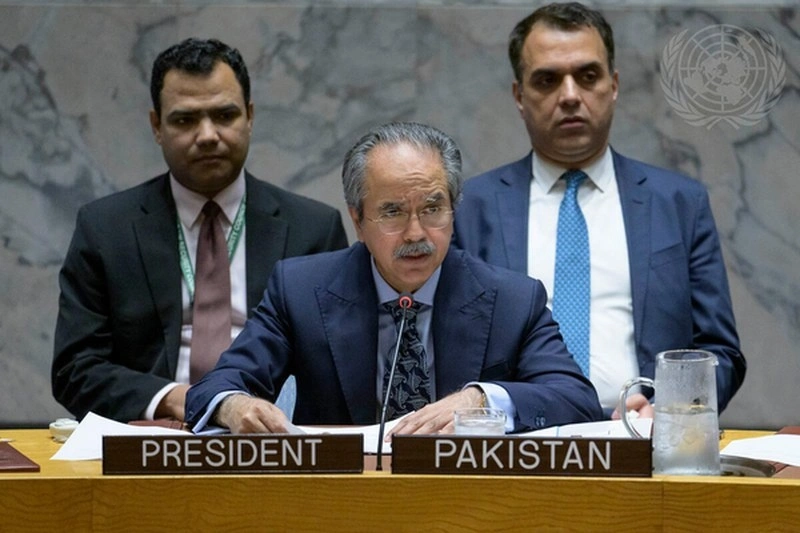
Read more: Pakistan Warns UNSC of Escalating Terror Threat from Afghan Soil