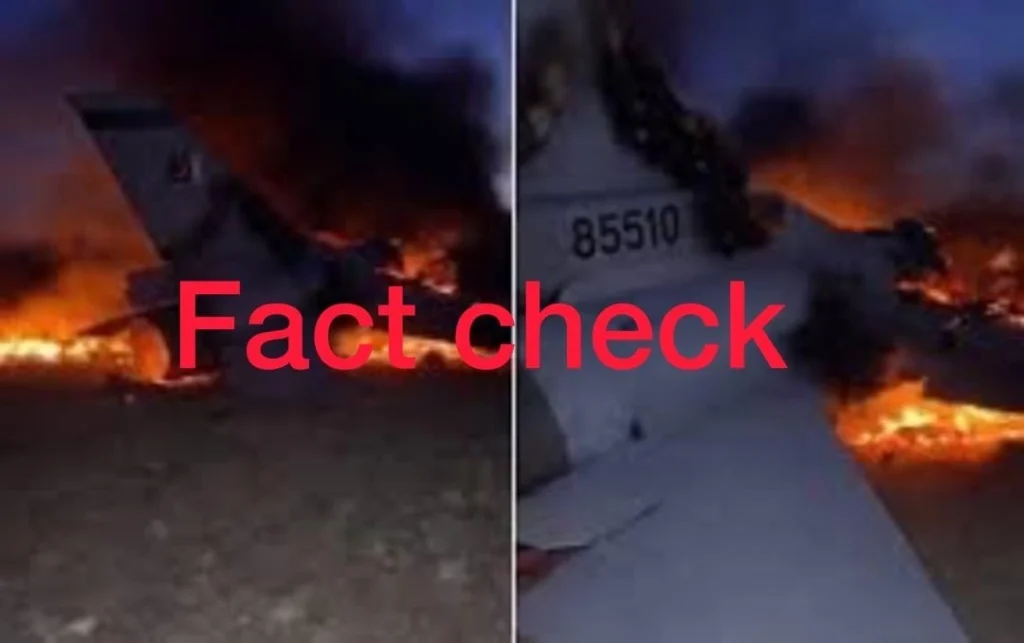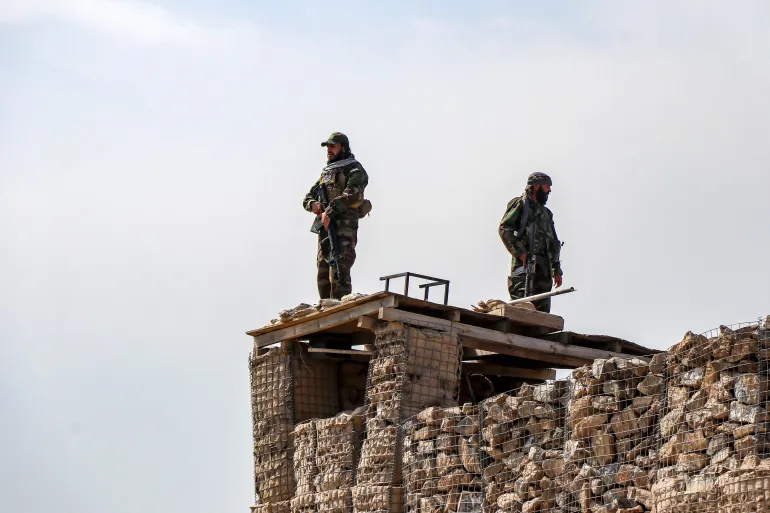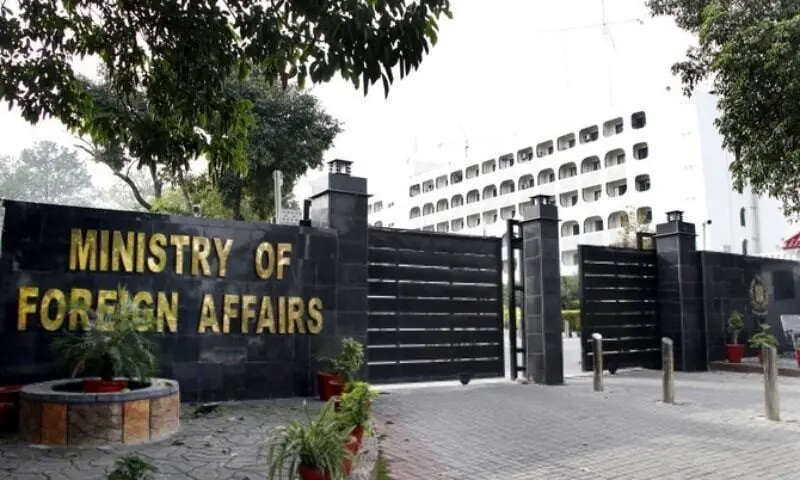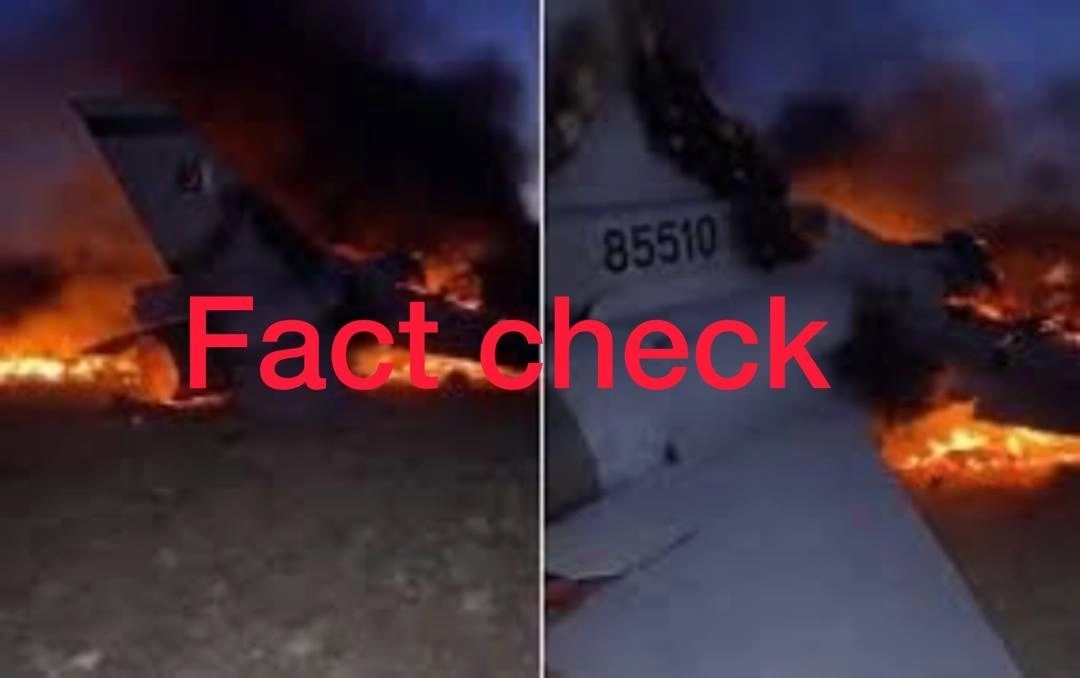
In recent days, reports originating from the Taliban-controlled Afghan “Defence Ministry” claimed that a Pakistani jet had been shot down during cross-border operations. These reports quickly circulated across social media platforms and messaging apps, raising concerns among observers and the general public. However, independent verification has revealed that these claims are misleading and factually inaccurate.
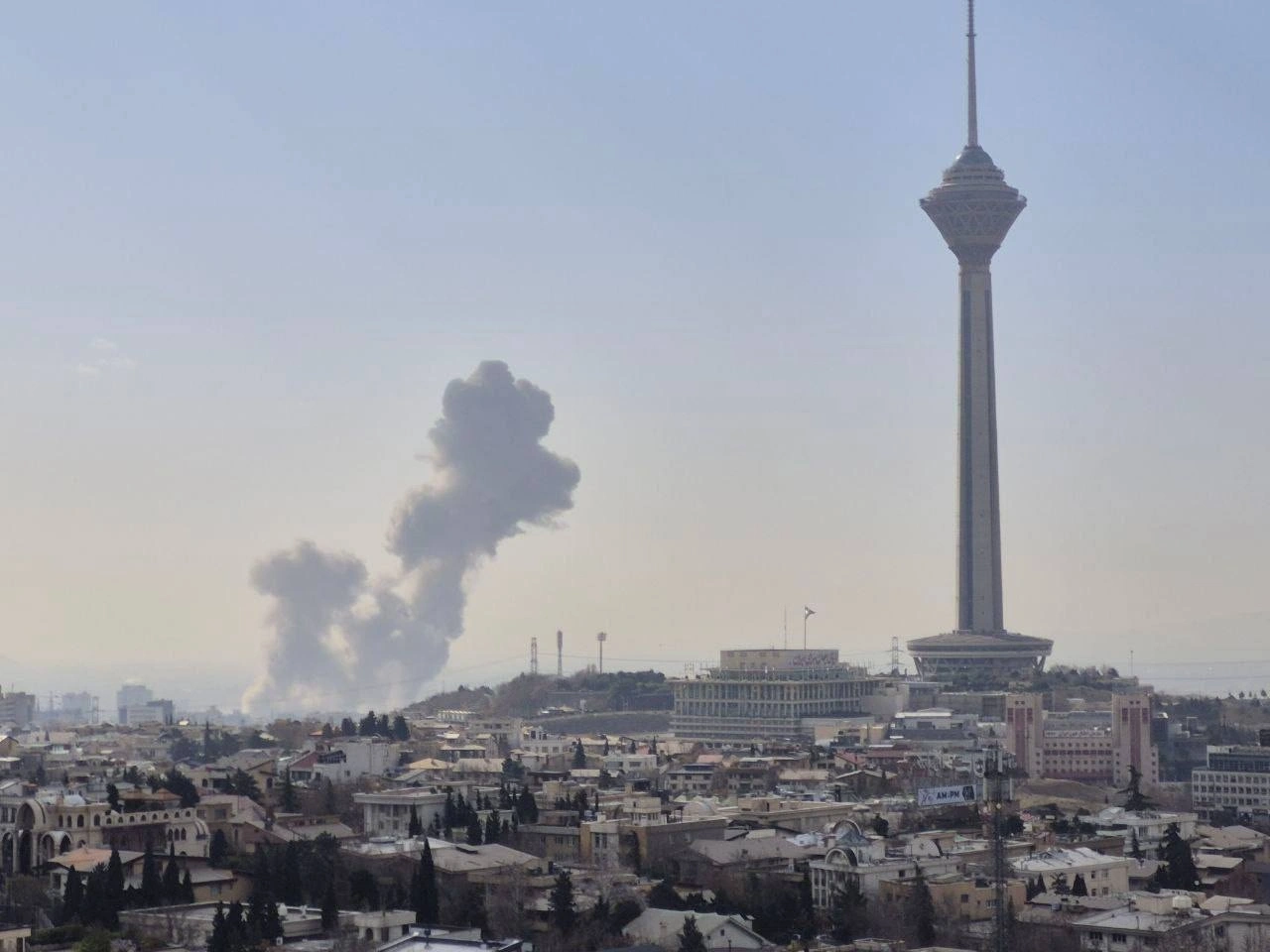
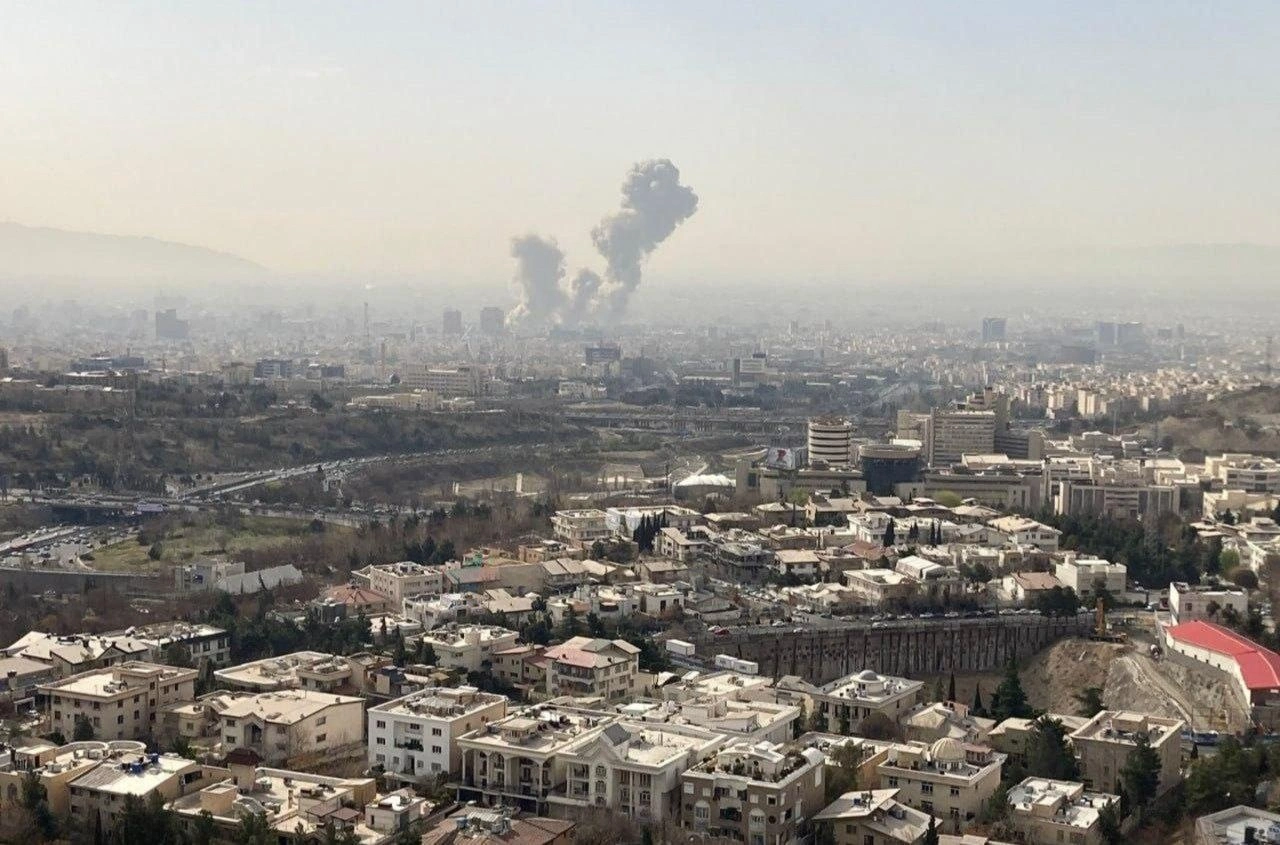
Investigations show that the images shared alongside these reports are not recent. They originate from a Pakistani jet crash in 2012, and the rescue personnel shown in the footage belong to Pakistan’s 1122 emergency response unit. Analysts argue that the re-use of old imagery in a modern context creates a false impression of current events and risks inflaming tensions between neighboring countries.
Yet another one straight out of the Indian fake news playbook — Afghanistan "defence ministry" run by the Taliban regime claims to shoot down a Pakistani jet but the pictures put out are from a Pakistani jet crash of 2012 and the rescuer from Pakistan's 1122 unit can be seen in… https://t.co/dOfViHOxS0
— Anas Mallick (@AnasMallick) February 28, 2026
Experts point out that the dissemination of such misleading content underscores the broader challenge of verifying information coming out of conflict zones. In areas with ongoing cross-border military operations, claims are often amplified without sufficient evidence, making it difficult for the public and media outlets to distinguish between genuine incidents and manipulated narratives.
Disinformation campaigns like this are particularly potent in regions already fraught with security concerns. They can exaggerate perceived threats, sway public opinion, and create unnecessary panic. Analysts emphasize that reliance on credible sources, direct verification, and critical evaluation of media content are essential to prevent the spread of falsehoods.
This incident also serves as a cautionary tale about the importance of responsible reporting. Social media, while a powerful tool for information, can equally be exploited to propagate disinformation. Stakeholders, including journalists, analysts, and government agencies, are urged to maintain rigorous standards of fact-checking and transparency when reporting sensitive developments.
Ultimately, the misrepresented claims about the Pakistani jet illustrate how disinformation can distort public perception and escalate tensions in already volatile regions. Experts call for heightened vigilance and verification mechanisms to ensure that public discourse is informed by truth rather than manipulated narratives.