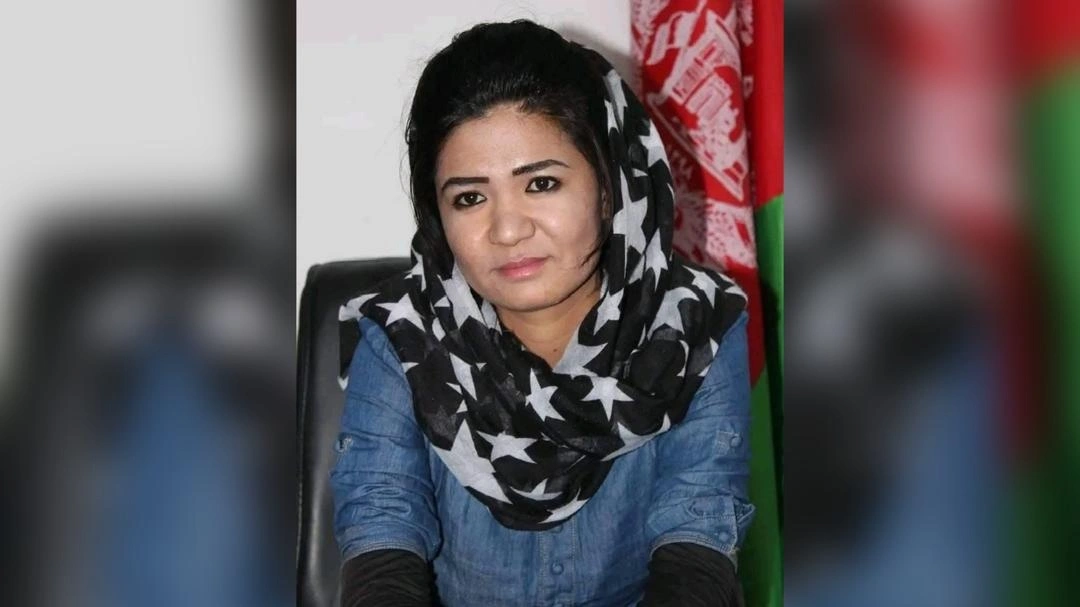
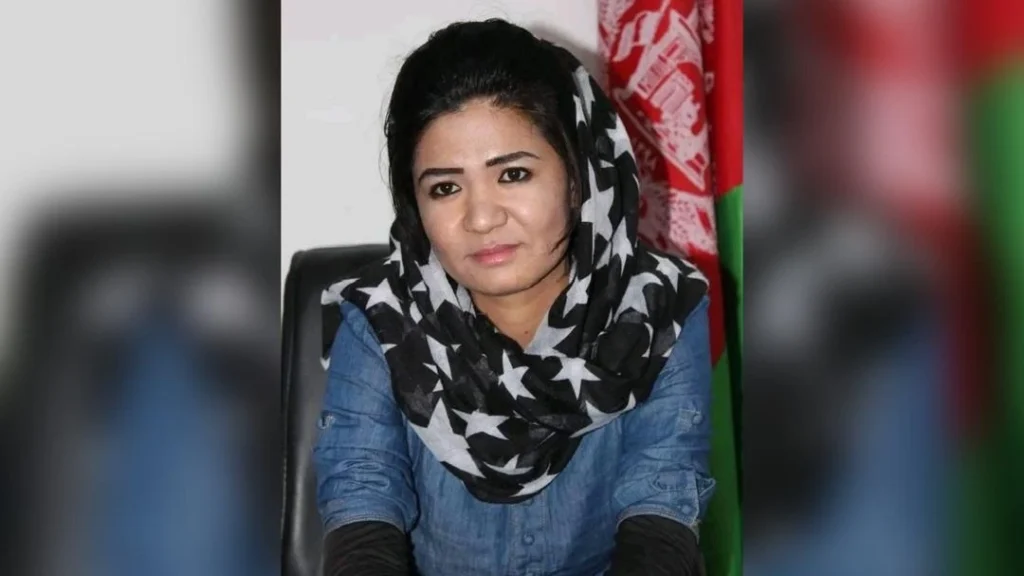
Kabul — The killing of Anusha Mohammadi, a veteran Afghan media worker, has triggered renewed outrage and fear among journalists and women’s rights advocates, as questions mount over the deteriorating security and accountability environment under Taliban rule.
Anusha Mohammadi was found dead late last night in Kabul under circumstances that remain unclear. As of now, no credible official explanation has been provided, and no suspects have been identified. The silence from authorities has only deepened concerns that violence against journalists—particularly women—is being met with indifference or deliberate inaction.
Mohammadi was known for her long-standing commitment to journalism and her refusal to abandon the profession despite mounting restrictions and threats. Colleagues say she continued working even as the space for free media shrank dramatically, especially after the return of the Taliban, when female journalists became increasingly vulnerable to harassment, intimidation, and violence.
Media watchdogs and civil society groups argue that this killing cannot be viewed in isolation. Instead, they see it as part of a broader pattern in which journalists operate without legal protection, independent investigations are rare, and perpetrators of violence enjoy near-total impunity. Women journalists, in particular, have been pushed to the margins—silenced through fear, bans, and now, deadly force.
Rights activists have strongly criticized the Taliban authorities for failing to ensure the safety of media workers or uphold even basic standards of justice. They warn that without transparent investigations and accountability, such killings will continue, further eroding freedom of expression and driving independent voices out of the country.
For Afghanistan’s already battered media community, Anusha Mohammadi’s death is a stark reminder that journalism has become a life-threatening profession. Her killing has intensified calls for international attention, independent inquiries, and urgent pressure on the Taliban to end the culture of impunity and protect journalists—especially women—who continue to risk everything to keep the truth alive.
Raed more :Taliban Release Women’s Taekwondo Coach Detained in Herat
![“Shutting down your own province in the name of protest will not work at all;” Salman Akram Raja criticized the provincial government [IC: by AFP]](https://htnworld.com/wp-content/uploads/2026/02/28172733b3078d4.webp)
![This is Pakistan’s most notable digital transformation, with mobile connections reaching 190 million, while internet users have climbed to 116 million — reflecting a major expansion in technology use and digital services. [IC: by AFP]](https://htnworld.com/wp-content/uploads/2026/02/b34b4a59-1005-4d5c-af29-c2a796622fb8.jpg)
![Release of Three Pakistani Soldiers During October Tensions; Experts Criticize Use of Ramadan in Afghan Political Narrative [IC: by AFP]](https://htnworld.com/wp-content/uploads/2026/02/HBX08bEbcAcGGIs-1.webp)
![The Pakistani government has reiterated its responsibility to provide healthcare for former Prime Minister Imran Khan [IC: by AFP]](https://htnworld.com/wp-content/uploads/2026/02/mohsin-naqvi-needs-a-surgery-says-imran-khan-over-pakistan-s-performance-in-t20-world-cup_1718096802-b.jpg)
![“Shutting down your own province in the name of protest will not work at all;” Salman Akram Raja criticized the provincial government [IC: by AFP]](https://htnworld.com/wp-content/uploads/2026/02/28172733b3078d4-1024x614.webp)
![This is Pakistan’s most notable digital transformation, with mobile connections reaching 190 million, while internet users have climbed to 116 million — reflecting a major expansion in technology use and digital services. [IC: by AFP]](https://htnworld.com/wp-content/uploads/2026/02/b34b4a59-1005-4d5c-af29-c2a796622fb8-1024x576.jpg)
![Release of Three Pakistani Soldiers During October Tensions; Experts Criticize Use of Ramadan in Afghan Political Narrative [IC: by AFP]](https://htnworld.com/wp-content/uploads/2026/02/HBX08bEbcAcGGIs-1-1024x827.webp)
![Confusion and criticism at the opening of India’s AI Summit in New Delhi [IC: by AFP]](https://htnworld.com/wp-content/uploads/2026/02/https___d1e00ek4ebabms.cloudfront.net_production_30d07a2f-83ef-4e6f-86bf-a849f48e9ecc.jpg)