![Afghan journalists in exile face Taliban censorship and threats; 550+ violations reported, urgent international support needed. [Courtesy: AMSO]](https://htnworld.com/wp-content/uploads/2025/11/WhatsApp-Image-2025-11-24-at-12.26.20-PM.webp)
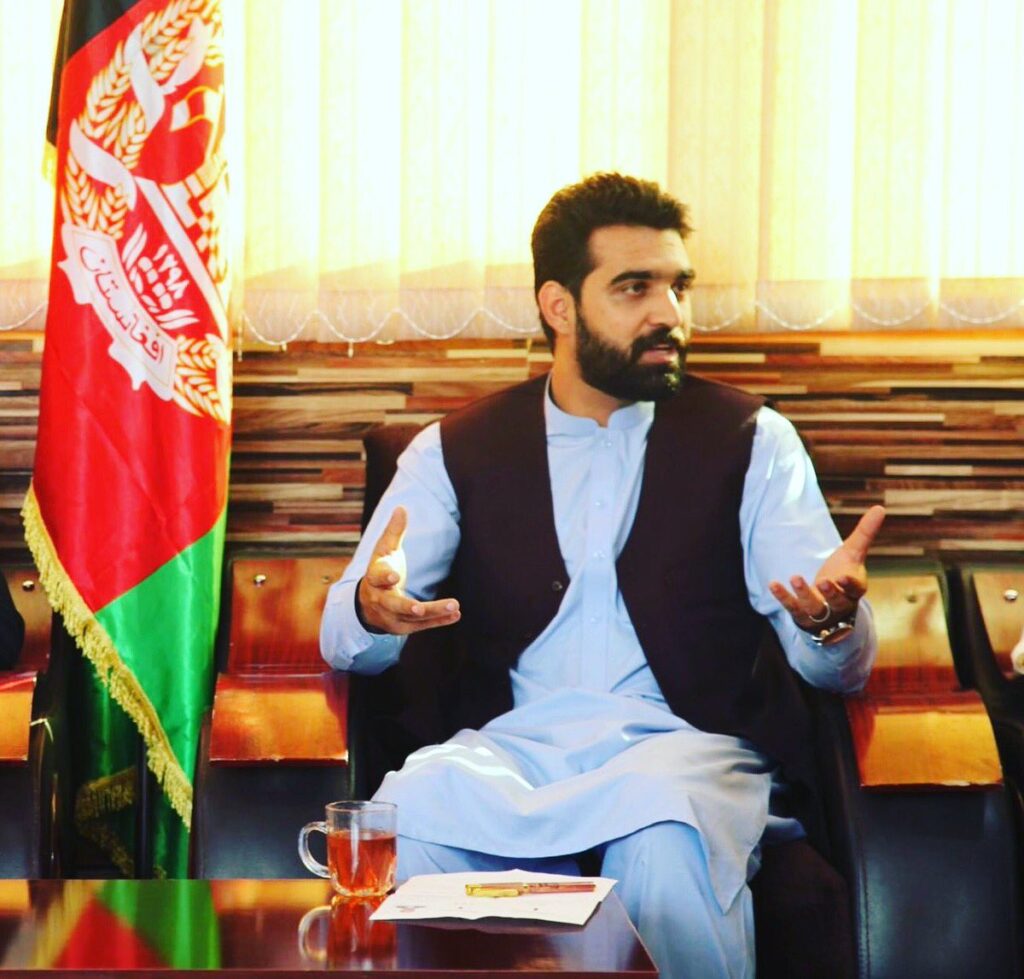
Berlin — Afghan journalists and media activists have sounded the alarm over the dire state of press freedom in Afghanistan, emphasizing the urgent need for international support for both male and female journalists operating under Taliban rule. Speaking at the Third International Symposium of Freedom of Expression, organized by the Afghanistan Media Support Organization (AMSO) on November 21, Richard Bennett, United Nations Special Rapporteur on Afghanistan, highlighted the critical role of Afghan media in exile, noting, “Journalists operating abroad are now at the forefront of defending the truth, recording violations, echoing domestic voices, and preserving the historical record of this dark era.”
The rare Global Symposium on Afghanistan’s Freedom of Expression, held in Germany, reported more than 550 violat*ions against journalists and over 25 restrictive directives issued by the Tali*ban in the past four years.
— HTN World (@htnworld) November 24, 2025
The event was attended by Hamid Obaidi, former Afghan… pic.twitter.com/hkOQPAQPsU
Hamid Obaidi, founder and chairman of AMSO, described the destruction of critical journalism within Afghanistan, particularly the systematic removal of female journalists. He warned, “Many journalists have to act secretly to prevent arrest and torture by Taliban authorities.” Obaidi also stressed that exile media face acute financial constraints, adding, “These media are the only sources of independent information about Afghanistan, and their continued work requires stable support, digital security, fact-checking skills, mental health assistance, and technological capacity-building.”
Former Afghan ambassador to Switzerland, Nasir Ahmad Andesha, described exile media as the “last stronghold against Taliban suppression,” stating, “Independent journalism is the last bastion against destruction and it brings the truth to the world. The Taliban may keep today in captivity, but they cannot restrict the future.”
Also see: Afghan Women’s Rights Activists Burn Burqas in Herat to Protest Taliban’s Mandatory Veil Order
Journalists attending the symposium also highlighted Taliban control over domestic media. Seyed Suleiman Ashna noted, “The Taliban are forcing domestic media to broadcast their propaganda,” while Sanjar Soheil, owner of 8am newspaper, emphasized, “Free media should not become a platform for the Taliban. Excessive concessions in recent years must be avoided.” Shermin Bouilli from Internews added that the restrictions threaten the future of free expression in Afghanistan, saying, “Exile media carry a heavy responsibility to report on human rights and women’s issues, even under difficult conditions.”
The symposium brought together dozens of journalists and researchers to discuss access to information, media sustainability, and strategies for preserving independent journalism amid systematic censorship and repression by the Taliban. Research presented at the event revealed over 550 violations and more than 25 restrictive orders imposed on journalists in the past four years, highlighting the ongoing challenges to free expression in the country.