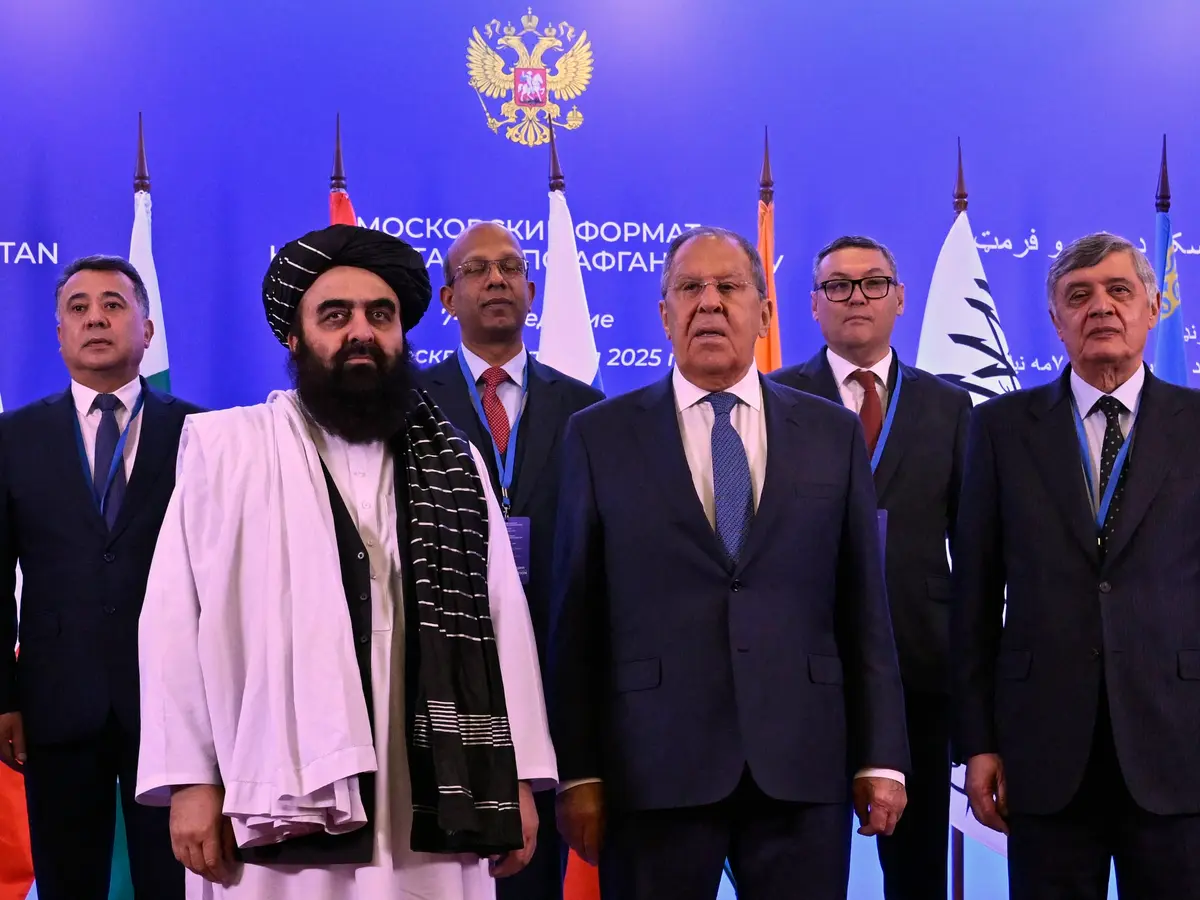
Doha – Afghan officials at the 23rd annual forum in Doha highlighted the urgent need for new talks between Afghanistan and Pakistan, warning that recent political disputes pose a threat to the region’s broader connectivity and integration project.
Abdul Hai Qaneet, head of the Afghan Foreign Ministry’s Center for Strategic Studies, told participants that constructive cooperation between Kabul and Islamabad is vital for long-term stability and economic development. “It is essential that Pakistan and Afghanistan sit down together and resolve their issues. If these tensions continue, trust in regional connectivity will decline,” they said.
Qanit added that Afghanistan has a strong interest in maintaining positive relations with Pakistan, but recent events have created risks to shared development. “Trade routes are being used for conflicts, geography has been politicized, and routes have been used as a means of pressuring political conflicts,” he explained.
He said that dialogue was still the best way forward and was optimistic about the current tensions. “Pakistan-Afghanistan relations will return to being positive. Afghanistan can continue its ongoing projects and act as a connecting hub for South and Central Asia, not as a threat.”
Economic Development as the Best Tool
Stressing the importance of these partnerships, Dr. Eldar Aripov, head of the Institute of Strategic and Interregional Studies of Uzbekistan, said that economic cooperation is the most effective way for Afghanistan’s development. “Different paths are needed. Our position is clear: economic cooperation is the best tool for Afghanistan’s development.”
Focus on Cross-Border Projects
At the Doha Forum, regional leaders explored ways to strengthen cross-border economic projects, expand trade routes, and expand connectivity across South and Central Asia, demonstrating that dialogue and cooperation play a key role in long-term regional stability.