Kabul – The Islamic Emirate of Afghanistan has reacted to the recent concerns by the UN Security Council on the human rights situation in the state.
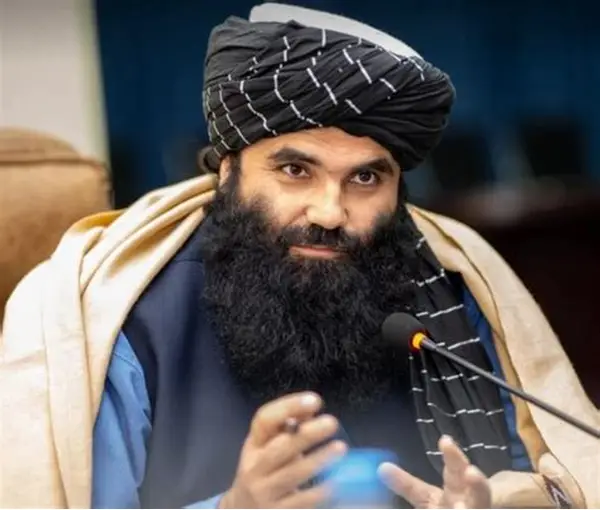
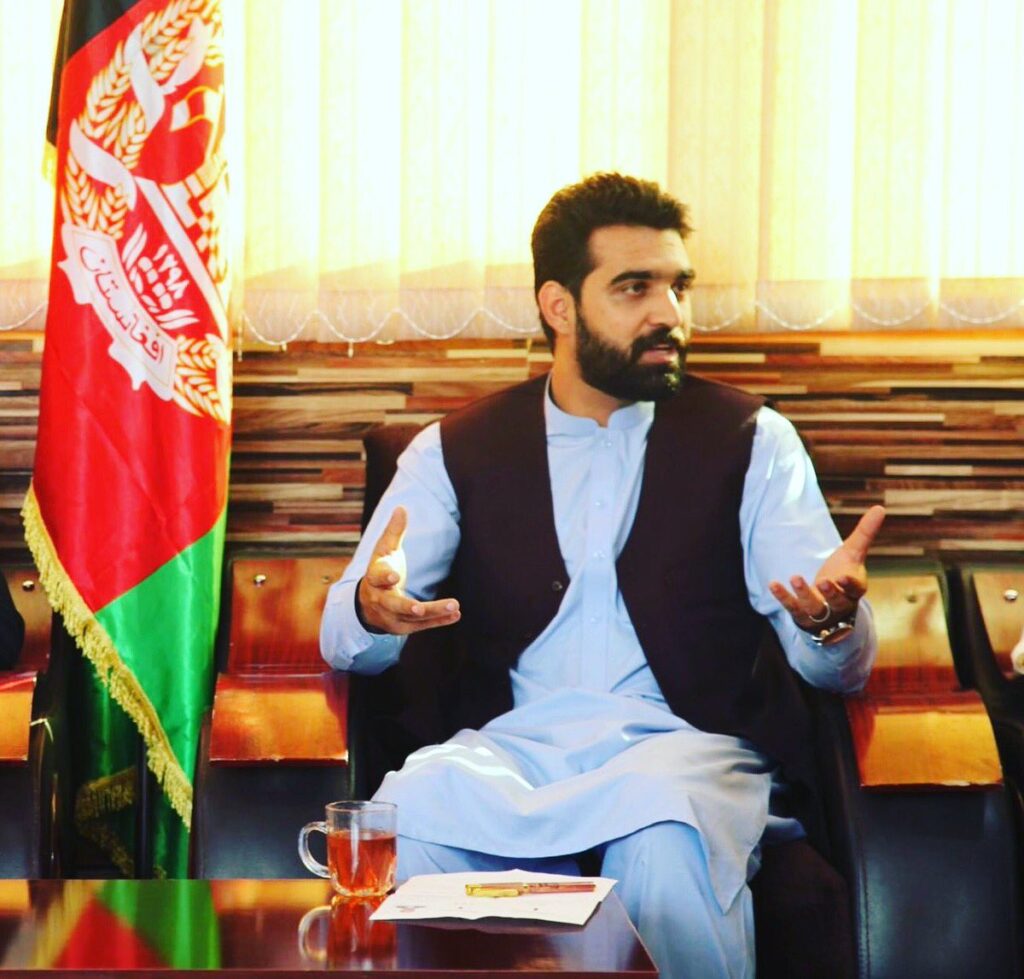
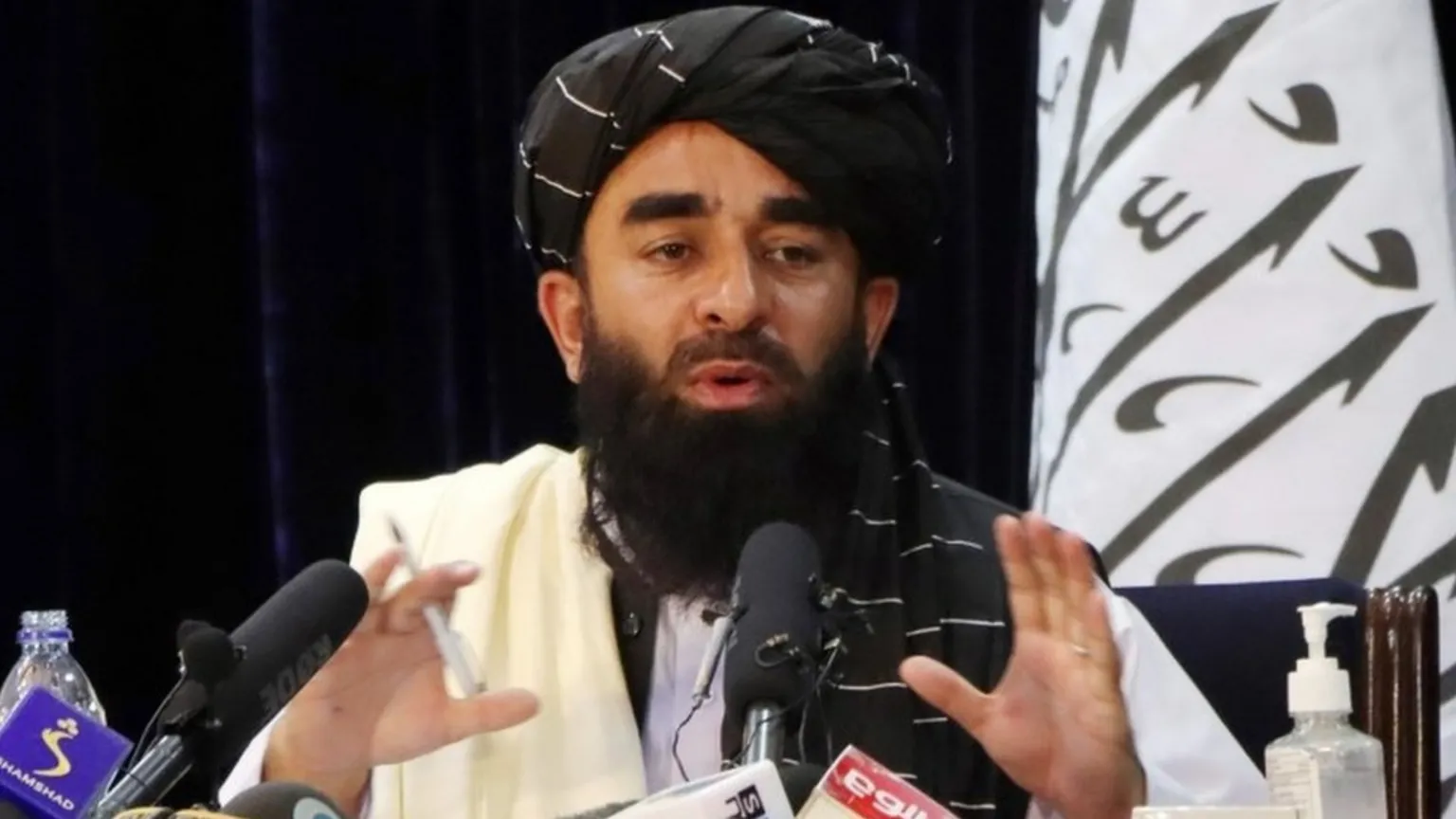
The spokesperson of the Islamic Emirate, Mawlawi Zabihullah Mujahid, said that human rights are completely guaranteed in Afghanistan under the Islamic Sharia. He emphasized that the Emirate is determined to protect the rights of all Afghans and that there is no reason to be concerned in this aspect.
International and regional observers, however, have pointed out that such verbal promises of Kabul are not sufficient. Although the assertions have been recognized, the international community, and more so neighbours of Afghanistan, are interested in tangible actions as opposed to mere statements.
Regional Focus Shifts to Verifiable Security Guarantees
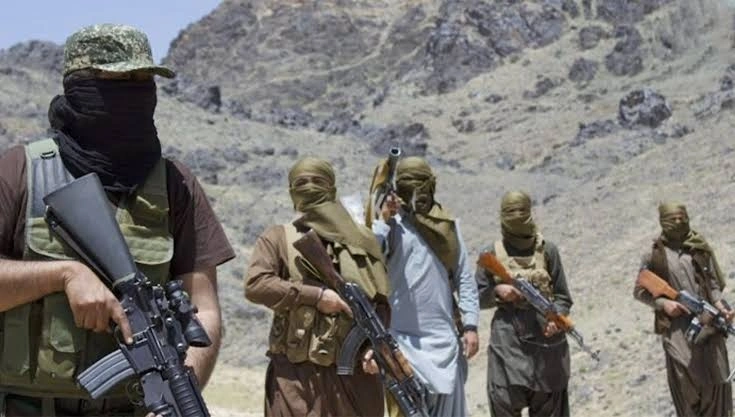
The major issues in the region are still closely related to human rights and security undertakings in accordance with the Doha Agreement. These undertakings encompass denying terror factions such as the Tehrik-i-Taliban Pakistan (TTP), the Islamic State Khorasan Province (ISKP), and the East Turkestan Islamic Movement (ETIM/TIP) the opportunity to operate without restriction on the Afghan soil.
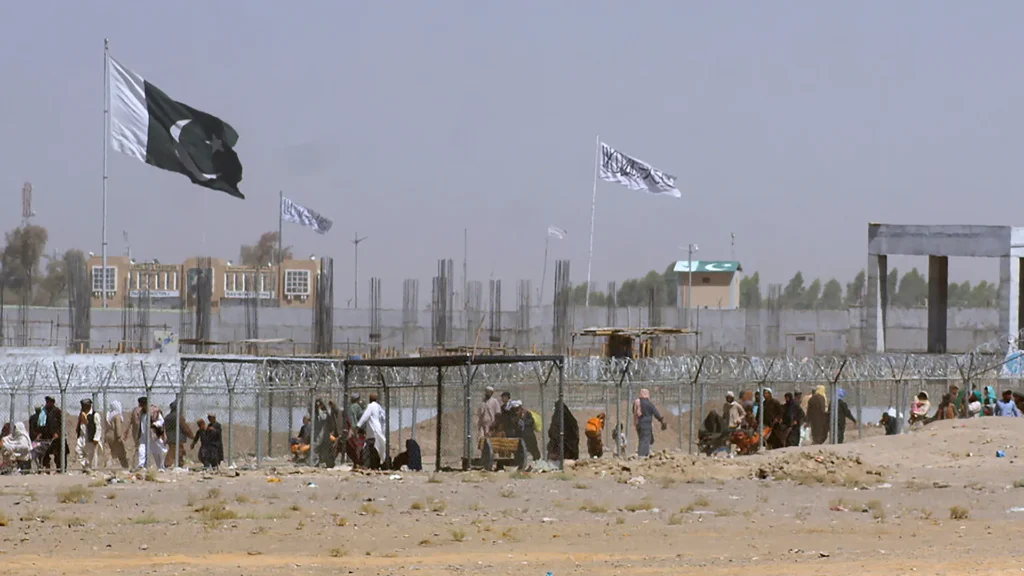
Pakistan is concerned with establishing genuine peace, and safeguarding human rights is linked to border security.
According to Pakistan, stability entails practical solutions to make cross-border communities secure against attacks caused by the Afghanistan territory.
The Test of Stability
In essence, while the spokesperson insists that rights are secure under Sharia, the real test of Afghanistan’s stability and its relationship with the world lies in replacing mere statements with verifiable mechanisms.
This is needed to ensure that counter-terror guarantees and human rights protections are both truly and consistently upheld.