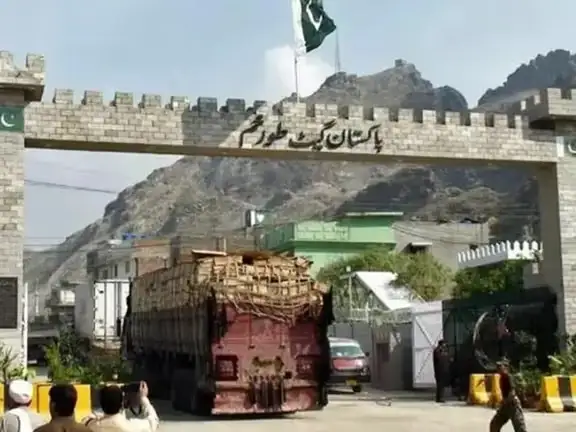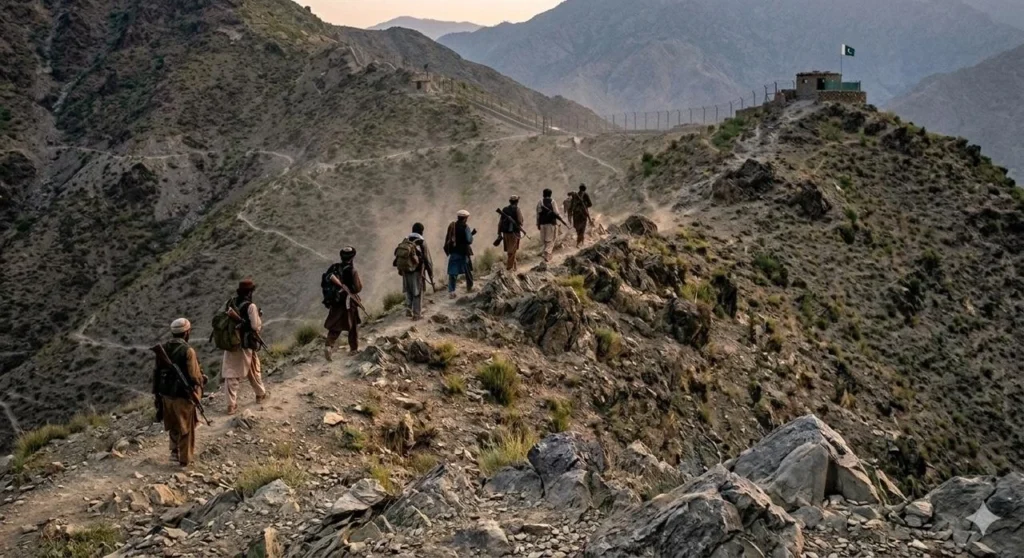
The Afghanistan Freedom Front (AFF) has resumed attacks against the Taliban after pausing operations during Ramadan. In its first reported spring offensive on Sunday, March 29, the group targeted a Taliban border unit in Baharak district of Badakhshan province. According to the AFF, four Taliban fighters were killed and three others injured. The Taliban have not yet confirmed the attack.
With the end of Ramadan, the group has returned to armed operations, signaling a new phase in the ongoing conflict. The AFF had temporarily halted attacks to observe the holy month, but its resumption highlights continued resistance in northern Afghanistan.
The attack comes as Taliban authorities recently deployed Amanuddin Mansoor, the governor of Helmand, to Badakhshan. Mansoor noted in a public address that people are increasingly questioning how long the Taliban government will last in the region. This move reflects growing concerns about opposition influence and local dissatisfaction.
Security analysts warn that the presence of resistance groups in northern provinces could be strengthened if they gain regional or international support. Such developments increase the risk of clashes and potential instability in the area, impacting both the local population and the security environment.
The situation remains fluid, and uncertainty persists due to the lack of Taliban confirmation. Observers say the resumption of AFF attacks may lead to further confrontations in northern Afghanistan. For now, authorities on both sides are closely monitoring developments, while residents brace for the impact of renewed conflict in the region.