Strategic Role of Afghanistan in Global Narcotics
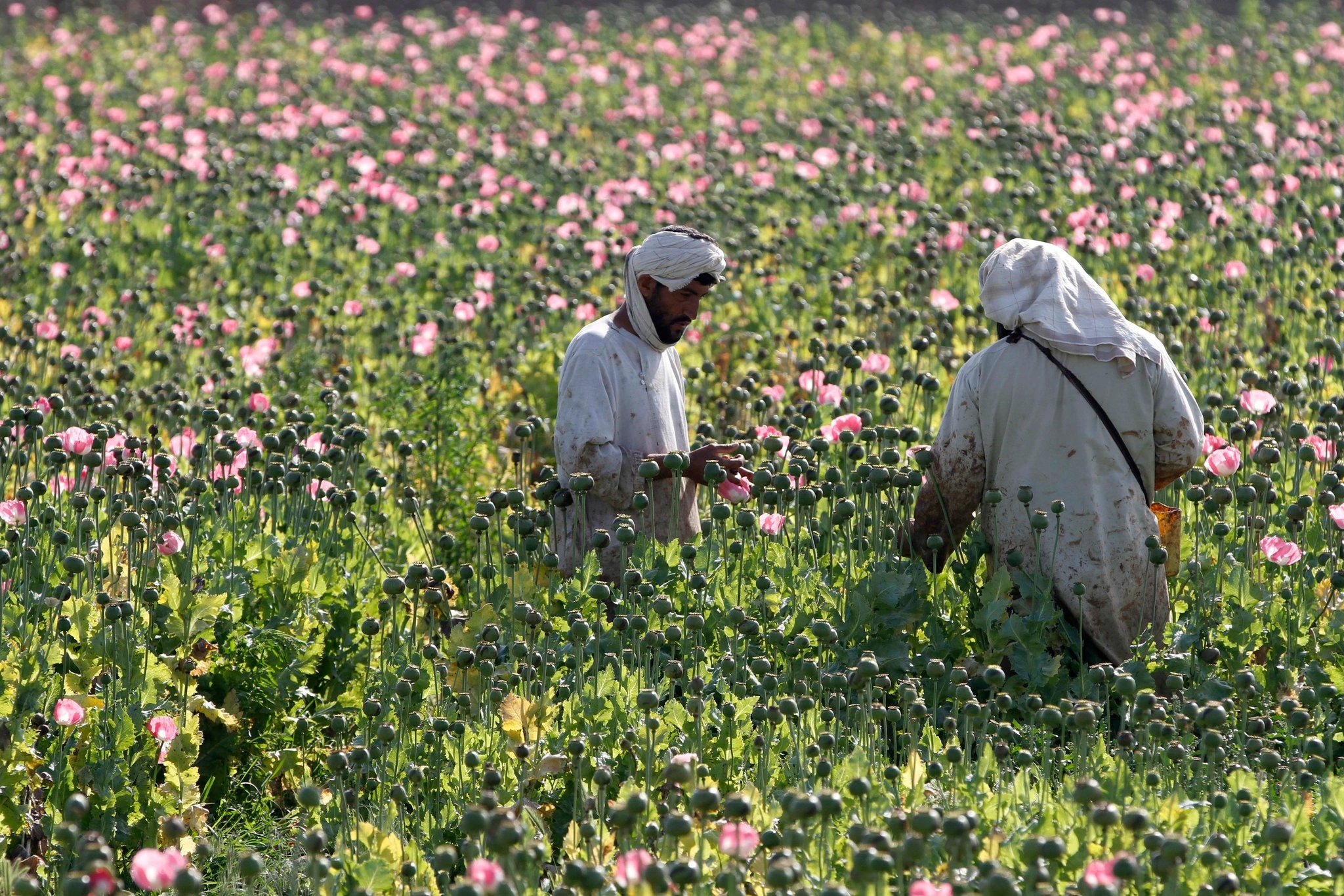
Afghanistan continues to dominate international drug markets, not merely as a producer but as a strategic hub shaping global narcotics flows. The 2025 Turkish Drug Report notes that while Taliban policies reduced opium cultivation by 32% in 2025, Afghanistan’s controlled management of poppy and expansion into methamphetamine production have reinforced its influence. This evolution transforms narcotics from a local economic issue into a global security challenge.
International Trafficking Routes
Criminal networks exploit Afghanistan’s geographic position to channel both opiates and synthetic drugs along key transit corridors. Türkiye serves as a critical bridge on the Balkan Route for heroin, while methamphetamine and cocaine flows increasingly reach Europe and East Africa. Analysts warn that these cross-border flows strengthen transnational criminal organizations and complicate international law enforcement efforts.
Economic Leverage and Regional Impact
The Taliban’s managed narcotics economy enhances their leverage internationally. By controlling stockpiles, selectively enforcing bans, and diversifying into synthetics, the regime influences prices, supply, and trafficking patterns. Neighboring countries, including Pakistan and Iran, face growing security and economic risks, with seizures and law enforcement pressures rising.
Security Implications Beyond Afghanistan
UN reports highlight that synthetic narcotics trafficked from Afghanistan pose rising risks for public health and regional stability. The interplay between narco-financing and armed groups exacerbates terrorism, insurgency, and cross-border attacks, emphasizing that Afghanistan’s drug economy cannot be seen as isolated or purely domestic.
Looking Ahead
Experts suggest that without coordinated regional and international strategies, Afghanistan’s narcotics sector will continue to act as a lever of instability, enabling criminal networks and sustaining Taliban influence in the global market. Policymakers must address both opiate and synthetic flows to mitigate threats beyond Afghanistan’s borders.
Read more :Australian PM Condemns Trump’s Comments on NATO Role in Afghanistan