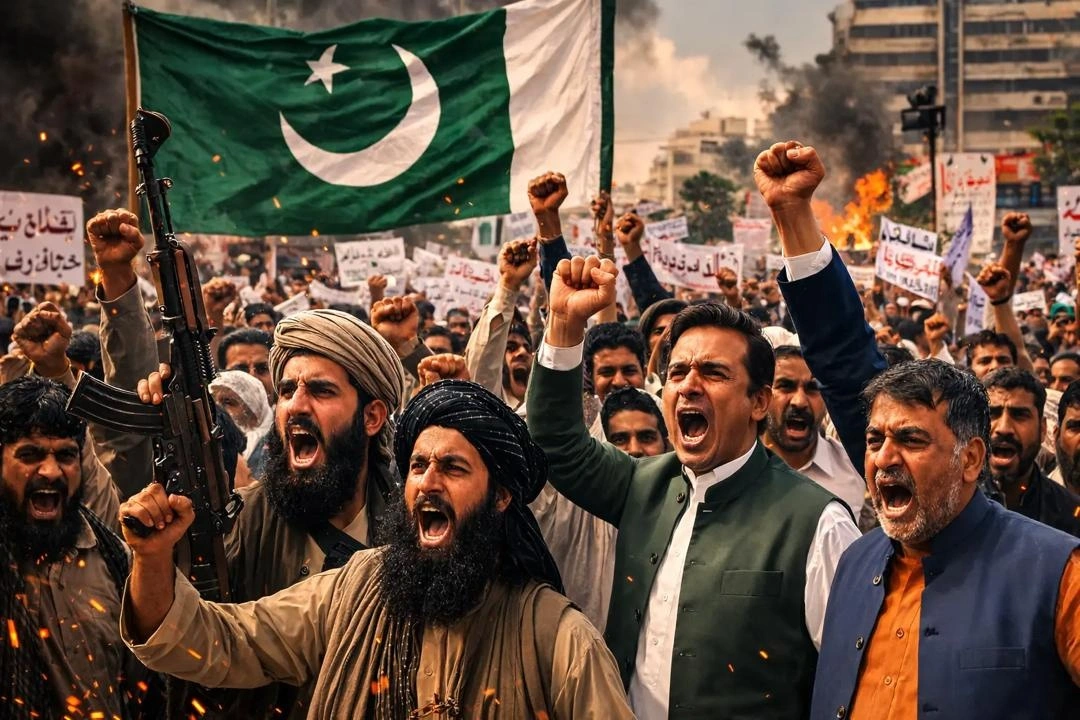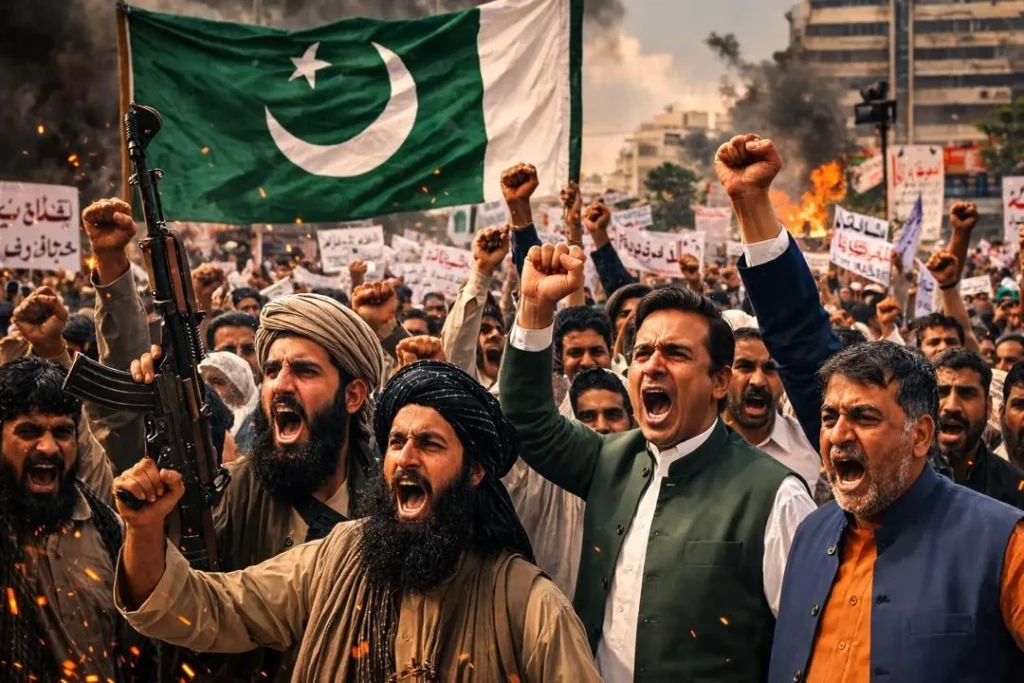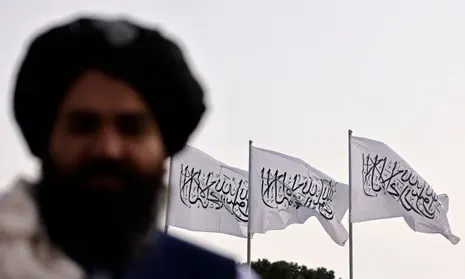
A recent speech by a cleric in Afghanistan’s Badakhshan province has sparked concern after he openly called for jihad against Pakistan. The cleric, identified as Abdul Basir, reportedly declared Pakistan’s government an “infidel” system and urged followers to fight under Taliban leadership. A video of his remarks has circulated widely on social media and quickly drew attention across the region.
The statements have raised serious questions about extremist rhetoric emerging from areas under Taliban control. Critics say the speech reflects how some clerics use religious language to incite hostility and mobilize supporters. In the video, Abdul Basir himself admits that he may not be a learned scholar. Yet he still issues strong calls for violence in the name of religion.
Controversial Speech Sparks Regional Concern
According to reports, Abdul Basir urged people to support jihad while separating the people of Pakistan from its government. He argued that Pakistan’s legal system represents “infidel law” and claimed followers should be ready to fight for the Taliban’s leader, often referred to as Amir-ul-Momineen.
Such remarks have alarmed many observers. They believe the speech promotes a distorted interpretation of religion and encourages hostility toward a neighboring country. Public figures and analysts have also pointed out that issuing violent religious rulings without proper knowledge can deepen instability.
At the same time, the speech has renewed debate about how extremist narratives spread in Afghanistan. Some critics argue that allowing such rhetoric to circulate openly creates a space where radical views can grow.
Taliban Claims Questioned by Critics
Meanwhile, the Taliban leadership has repeatedly stated that Afghan territory will not be used to threaten other countries. However, critics say speeches like Abdul Basir’s appear to contradict those assurances. They argue that if clerics can openly call for jihad against Pakistan from Afghan soil, it raises concerns about the environment in which such messages are delivered.
In addition, observers warn that religious language can be used to mobilise fighters and strengthen ideological loyalty. When unqualified clerics issue extreme statements, religion can be turned into a political tool rather than a message of peace.
Abdul Basir’s speech has drawn attention to the wider issue of extremist rhetoric in Taliban-controlled Afghanistan. Many analysts say preventing the spread of such narratives is important for regional stability. They stress that responsible religious leadership and clear action against incitement are necessary to avoid further tensions.