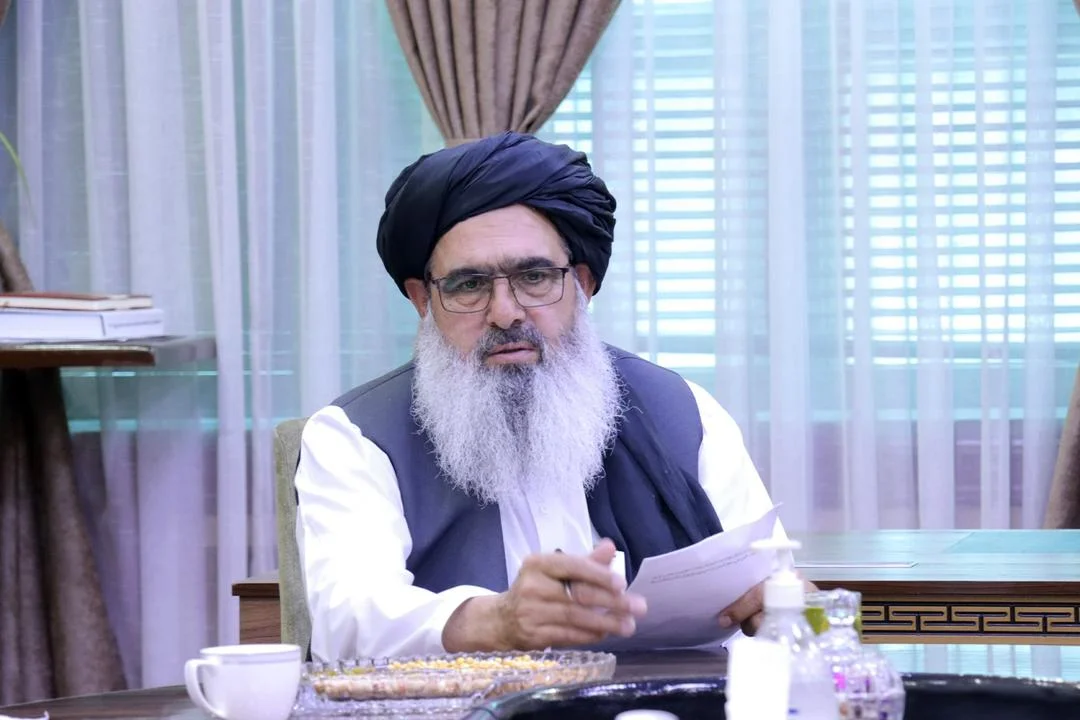
Kabul – In a significant shift for the regional medical market, Afghanistan is actively seeking to diversify its sources for life-saving medicines.
In New Delhi, the Afghan Health Minister, Mawlawi Noor Jalal Jalali, said that the country is prepared to initiate a new chapter of cooperation with India.
Delhi | Afghan Health Minister, Mawlawi Noor Jalal Jalali: Pakistan once supplied 60–70% of medicines, but issues forced alternatives. We have a strong relationship with India & we are here to open a new chapter of cooperation & collaboration. pic.twitter.com/LV6Dd5i9AG
— Muhammad Jalal (@MJalalAf) December 20, 2025
This action comes just as the interim government seeks to stabilize its healthcare supply chain after there is a perceived decline in drug trade with its long-term partner, Pakistan.
Minister Jalali pointed out that whereas in the past, Pakistan used to supply 60 to 70 per cent of the medicinal requirements of Afghanistan, the problems of late, and a worsening relationship with Kabul, have pushed Kabul to seek other ways.
He has stressed that he is more concerned with fighting disease than politics. By turning to India, Afghanistan hopes to ensure that its clinics and hospitals remain stocked, highlighting that India has historically been a reliable partner in the medical field for many Afghan citizens seeking treatment.
Pakistan’s Perspective on Trade Disruptions
Pakistan continues to argue that it is still committed to the humanitarian demands of the Afghan people but points out that issues of security and border management procedures have taken a natural toll on the healthcare supply chain.
Pakistani trade officials indicated that recent frequent border shutdowns due to security threats, like the ones reported in recent UN reports, are not intentional to limit crossings of certain medicines but are usually caused by security threats.
Pakistan has a history of subsidizing medical services and pharmaceutical products to its neighbours.
Also See: Unverified Taliban Claims on Pakistani Medicines Raise Questions Over Timing and Motives