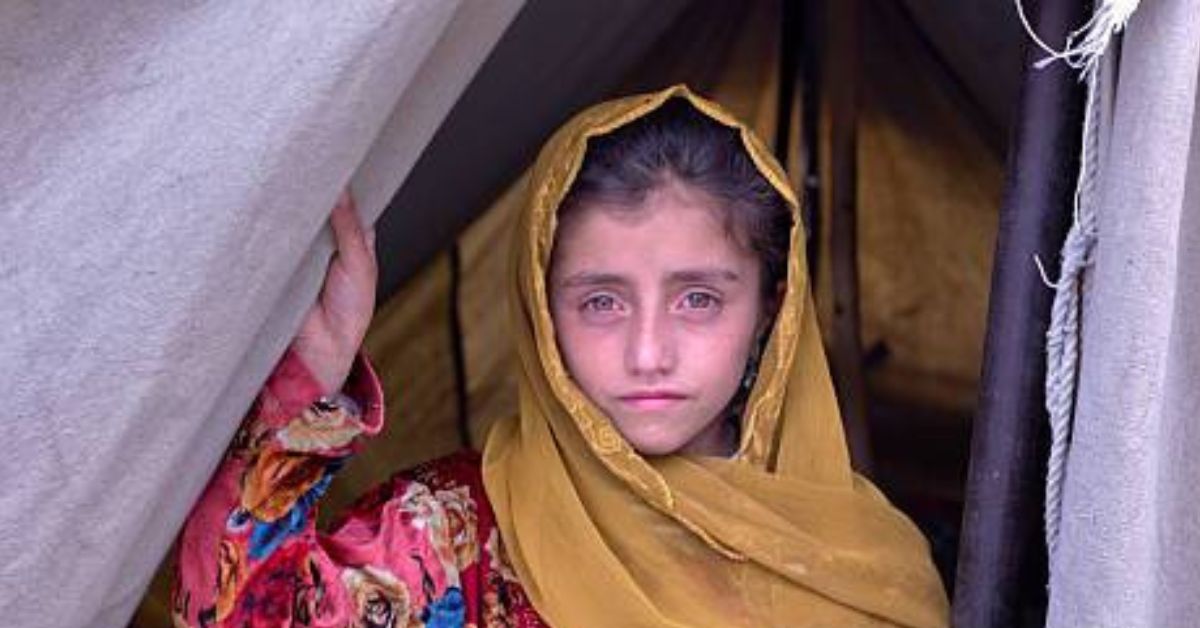
Afghanistan is heading into 2026 with one of the highest humanitarian burdens in the world, as 21.9 million people, approximately 45% of the population, now require life-saving assistance, according to the Afghanistan Humanitarian Needs and Response Plan 2026.
The report shows that the overall humanitarian situation in Afghanistan, run by the Taliban regime, continues to deteriorate.
Rising needs and worsening food insecurity
Critically, food insecurity has worsened at an alarming rate. 17.4 million people are projected to face acute shortages, including 5.2 million in IPC Phase 4 (Emergency), more than double last year’s figures.
Persistent drought affecting 12 provinces, climate shocks, disease outbreaks, and the pressure of 2.52 million returnees from Iran and Pakistan in 2025 have further strained already fragile systems.
These developments raise difficult questions about governance capacity and the effectiveness of resource management under Afghanistan’s de facto authorities. Under the interim Afghan government, humanitarian needs rise despite billions in global assistance since 2021, as mentioned in a recent SIGAR report.
📢 The summary of the Afghanistan Humanitarian Needs & Response Plan for 2026 is out!
— OCHA Afghanistan (@OCHAAfg) December 8, 2025
🔹An estimated 𝟮𝟭.𝟵𝗠 people will need humanitarian aid.
🔹Humanitarian partners are appealing for 𝗨𝗦$𝟭.𝟳𝟮𝗕 to support 𝟭𝟳.𝟱𝗠 people in need.
Read more ➡️ https://t.co/a6GBcAxBZy pic.twitter.com/PePfQIOlLH
Protection risks grow as restrictions intensify
The UN notes that protection risks, particularly for women and girls, remain extremely high and are expected to intensify as existing restrictions continue.
Explosive ordnance contamination also remains deadly, killing or injuring around 50 people each month. Despite spending a fortune in Afghanistan and exerting global pressure, child labor and early marriage are increasing under economic stress.
Against this backdrop, humanitarian partners plan to target 17.5 million people in 2026 through a coordinated $1.72 billion response focused on food, shelter, health services, safe water, and cash assistance.
However, the report stresses that needs are deepening faster than aid operations can stabilize them.
Humanitarian agencies warn that without meaningful structural improvements inside Afghanistan, including transparent governance, predictable aid access, and effective management of resources, the worsening crisis will continue to outpace current international assistance.