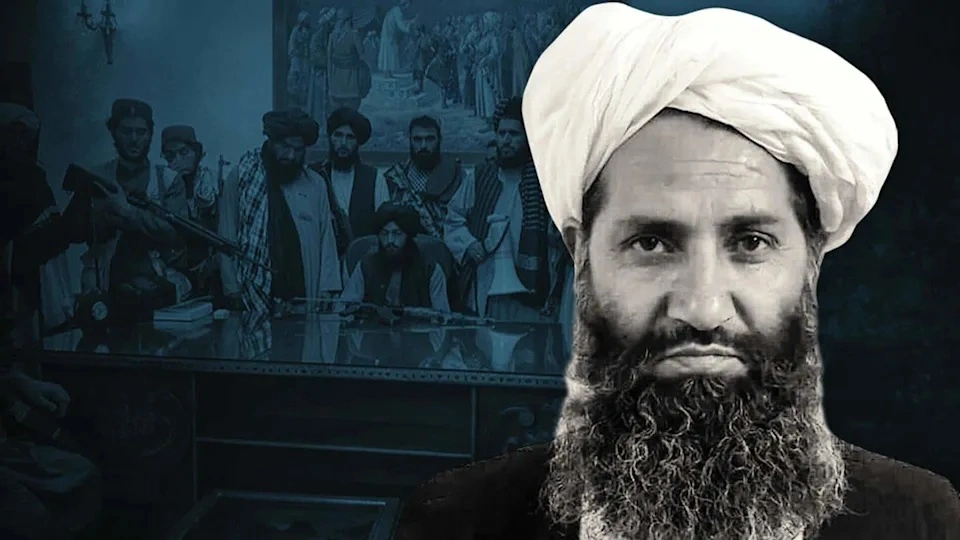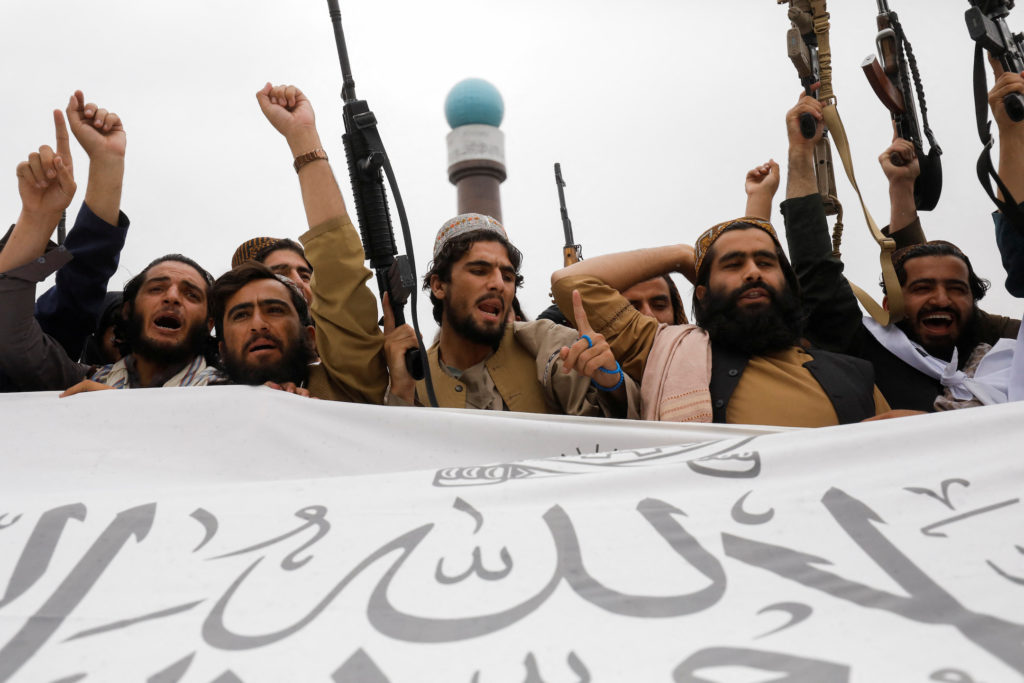
A controversial religious decree issued by an Afghan cleric calling for “jihad” against Pakistan’s military has triggered widespread criticism, with scholars and observers warning that such rhetoric distorts Islamic teachings and risks fueling further instability in the region.
Religious analysts argue that labeling Pakistan’s counterterrorism operations as illegitimate is a fundamental misinterpretation of Islamic principles. They point to Quranic guidance that permits fighting only against those who initiate aggression, emphasizing that military actions targeting militant groups cannot be equated with oppression against civilians.
The decree has also drawn concern for urging obedience to an external “leader” beyond Pakistan’s jurisdiction. Scholars stress that Islamic teachings clearly reject blind obedience when it leads to injustice or bloodshed, underscoring that moral responsibility overrides political or ideological allegiance.
Particular criticism has focused on the selective use of religious texts. Experts note that certain hadith references cited in the decree have been taken out of context and repurposed to justify internal conflict. In contrast, they argue that such teachings historically apply to those who destabilize societies—pointing instead to militant groups responsible for violence within Pakistan.
Observers also highlight the broader contradiction in portraying Pakistan as hostile to Afghans, noting the country’s long history of hosting millions of Afghan refugees over decades of conflict. They argue that calls for confrontation undermine Islamic principles that prioritize reconciliation and unity among Muslims .
The use of takfir—declaring other Muslims as disbelievers—has emerged as another deeply troubling aspect of the decree. Religious leaders warn that such accusations are among the gravest in Islam and have historically been associated with extremist ideologies that justify violence against fellow Muslims.
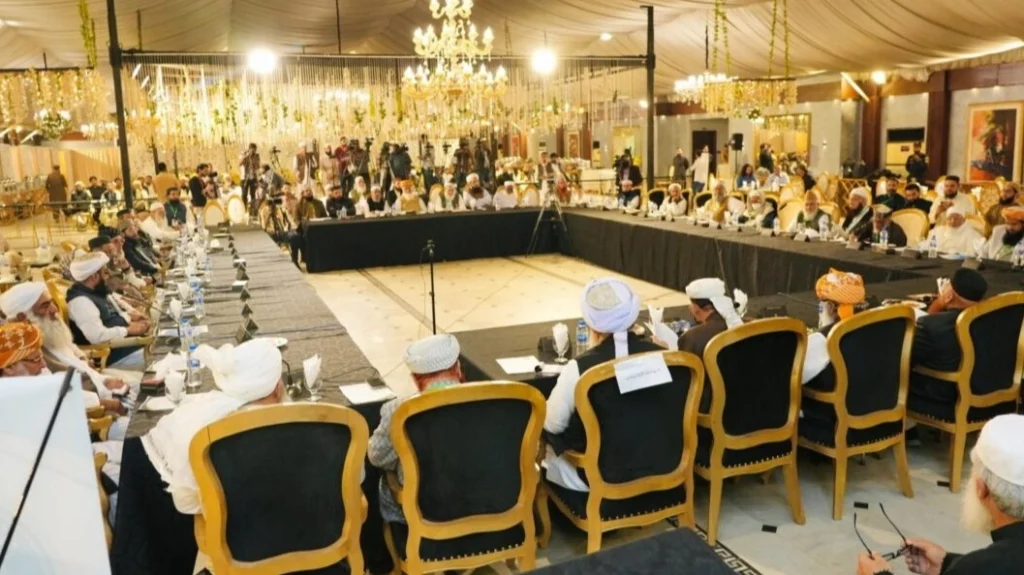
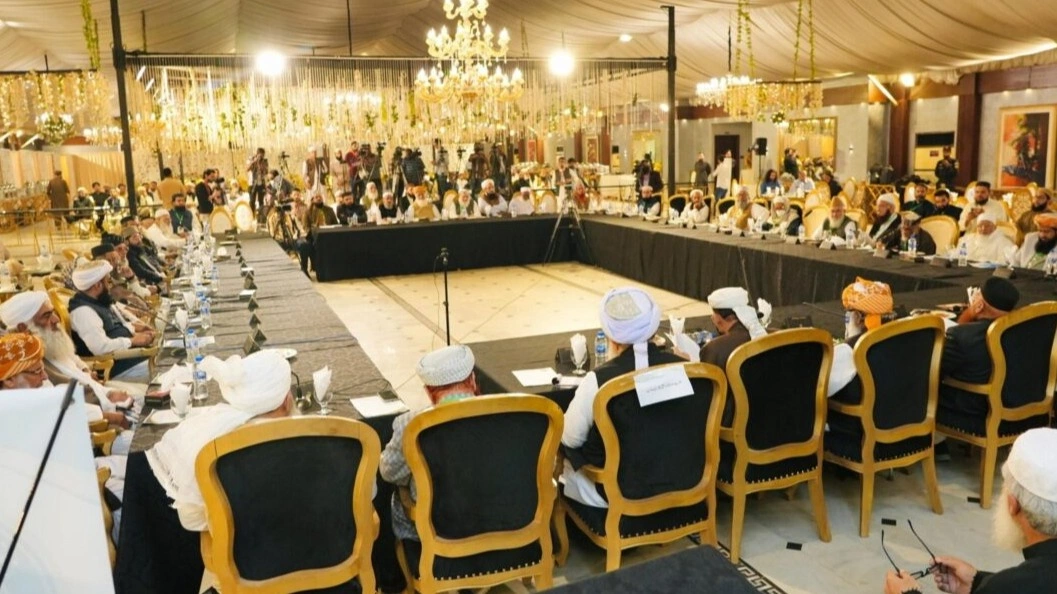
Across Pakistan, scholars from multiple schools of thought have consistently rejected terrorism, declaring attacks on civilians, mosques, and schools as unequivocally forbidden. They stress that groups like the TTP, which have targeted innocent lives, cannot be framed within any legitimate concept of jihad.
Experts further argue that the principles of Islamic warfare—strictly prohibiting harm to women, children, and non-combatants—stand in direct contrast to the actions of militant organizations operating in the region.
Many analysts see the decree not as a purely religious opinion but as a politically motivated statement aimed at deepening divisions. They warn that framing such narratives as religious duty risks normalizing violence and weakening efforts toward regional stability.
In the end, scholars emphasize that Islam calls for unity, justice, and restraint—not the weaponization of faith for political or militant agendas.