Australia has committed $50 million in humanitarian aid to Afghanistan, focusing on women, girls, and urgent basic needs, even as the Taliban continue to expand legal repression against women, reaching new heights amid global silence.
Systematic Exclusion from Education and Employment
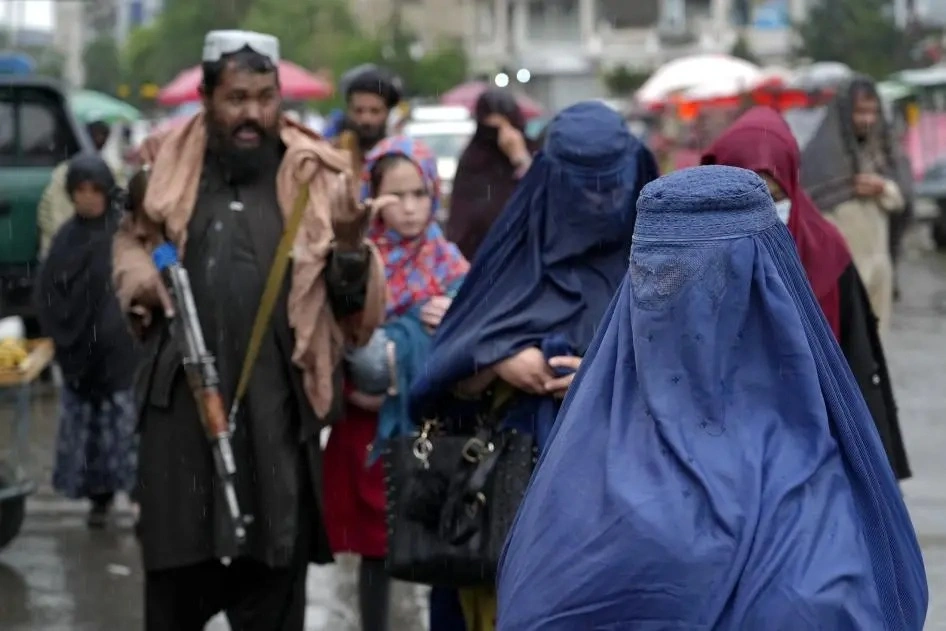
Under Taliban rule, women face systematic exclusion from education, employment, and public life, leaving them silenced and dependent. Taliban legal provisions criminalize basic actions, such as visiting parental homes without a husband’s permission, and women may face imprisonment for refusing to return to abusive or unwanted households, effectively reducing marriage to legal confinement.
Normalization of Violence Under Taliban Law
The laws authorize husbands and guardians to administer punishment, normalizing private violence under state approval. Only severe physical injuries are recognized legally, while psychological, sexual, and coercive abuses are ignored. These policies deny women legal agency, consent, and moral independence, contradicting Islamic principles and Afghan tradition.
Impact on Health and Humanitarian Services
Restrictions on female health workers further undermine delivery of essential health and nutrition services for women and girls, while bans on female education destroy long-term resilience, ensuring dependence on aid rather than empowerment.
Aid Sustains Survival but Not Dignity
Humanitarian programs are forced to operate around systemic repression, sustaining survival but unable to restore dignity or rights. Despite international funding, women remain confined to silence and dependency, and the global community takes few meaningful steps to challenge Taliban policies that erase women from public life.
The Core Contradiction
Aid provides temporary survival, but without addressing the legal and structural restrictions imposed by the Taliban, it fails to restore autonomy, opportunity, or hope for Afghan women.