
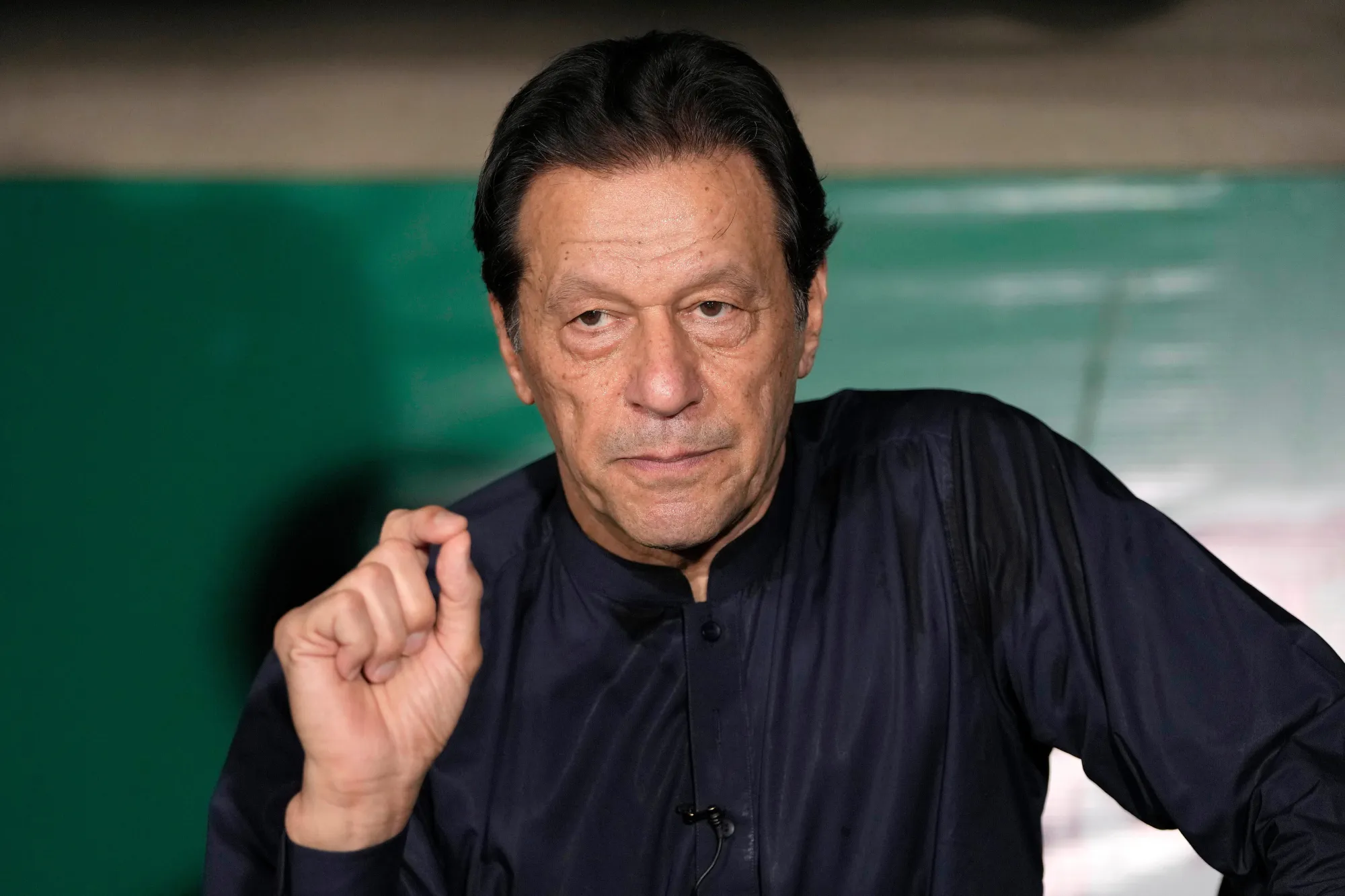
In a healthy democracy, political parties compete on ideas, performance, and policies. Citizens question leaders and hold them accountable.
Trouble begins when politics stops being about the country and starts revolving around one personality. Blind loyalty replaces reason, and followers begin to see the leader as more important than the state itself.
This pattern is becoming increasingly visible. Supporters are encouraged to defend one individual at all costs, even when those actions harm national interests.
Criticism is dismissed as conspiracy, while emotional slogans take the place of facts. As a result, political debate turns into hostility, and disagreement is treated as betrayal.
When One Leader Becomes More Important Than the Country
A clear sign of this mindset is the belief that without a certain leader, the country has no future. Such thinking narrows vision and discourages independent thought.
Followers are taught to believe that the state, its institutions, and even its economy are secondary to the leader’s personal fate.
Because of this, actions that damage Pakistan are justified as political resistance. Appeals to foreign governments for pressure, calls for sanctions, or requests to international lenders to tighten conditions are defended as necessary tactics.
At the same time, narratives pushed by hostile foreign accounts are repeated without question if they align with the leader’s story.
Gradually, loyalty to the leader replaces loyalty to the country. Courts, security institutions, and civil services are attacked simply for functioning independently.
Facts lose value if they challenge the approved narrative. Politics becomes emotional and aggressive rather than constructive.
How Cult Politics Weakens the State
Over time, this behaviour begins to resemble a cult. Followers stop questioning and start obeying. Only selected voices are trusted, while all others are labelled enemies.
Internal disagreement is crushed, and extreme loyalty is rewarded.
The cost of this mindset is serious. Economic stability suffers when groups openly wish for national failure.
Social divisions deepen as citizens are pushed to choose between a leader and the state.
Young supporters grow up believing that institutions do not matter, only personalities do.
In the long run, countries do not survive on slogans or leader worship. They survive on laws, institutions, and shared responsibility. Leaders come and go, but the state must remain stronger than any individual.
Pakistan needs political debate, accountability, and reform. What it does not need is blind loyalty that turns followers into an anti-state force.
When politics becomes worship, the real damage is done not to opponents, but to the nation itself.
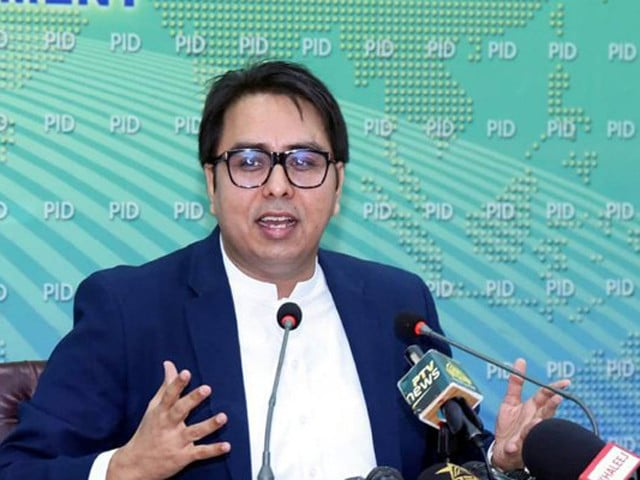
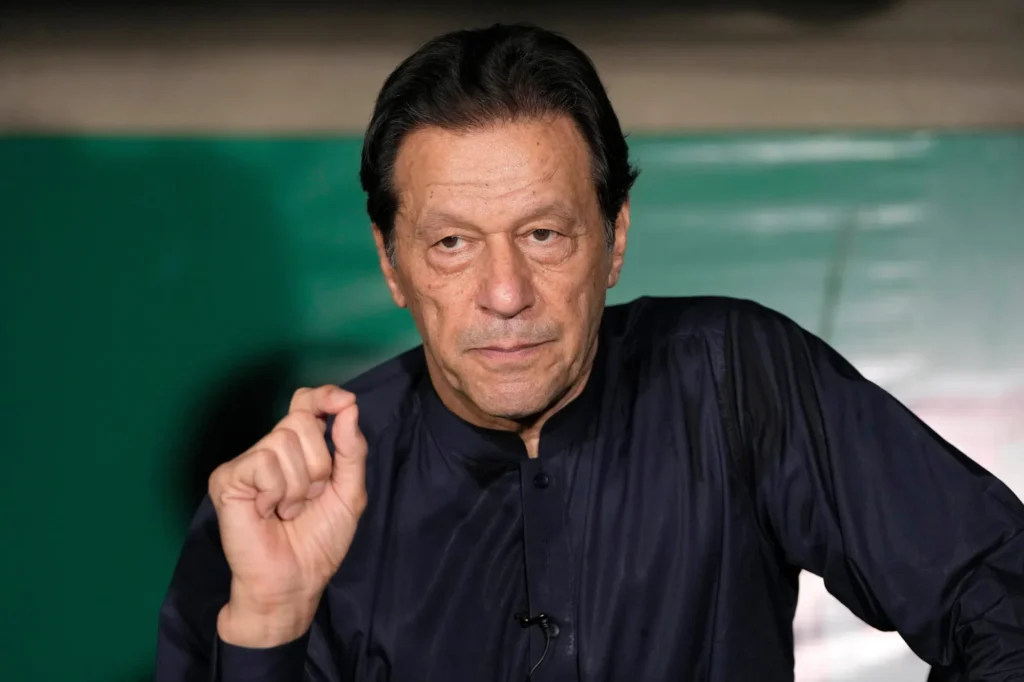
![PTI’s Decline: From Drama Politics to Public Rejection [IC : by AFP]](https://htnworld.com/wp-content/uploads/2026/02/images-20.jpeg)
![Indian University Criticized for Claiming Chinese Robot Dog at AI Summit [IC : by AFP]](https://htnworld.com/wp-content/uploads/2026/02/2026_02_18T054623Z_43764611_RC24OJA9ZFFS_RTRMADP_3_INDIA_AI.webp)
![Indian University Criticized for Claiming Chinese Robot Dog at AI Summit [IC : by AFP]](https://htnworld.com/wp-content/uploads/2026/02/2026_02_18T054623Z_43764611_RC24OJA9ZFFS_RTRMADP_3_INDIA_AI-1024x682.webp)
![“Shutting down your own province in the name of protest will not work at all;” Salman Akram Raja criticized the provincial government [IC: by AFP]](https://htnworld.com/wp-content/uploads/2026/02/28172733b3078d4-1024x614.webp)
![This is Pakistan’s most notable digital transformation, with mobile connections reaching 190 million, while internet users have climbed to 116 million — reflecting a major expansion in technology use and digital services. [IC: by AFP]](https://htnworld.com/wp-content/uploads/2026/02/b34b4a59-1005-4d5c-af29-c2a796622fb8-1024x576.jpg)