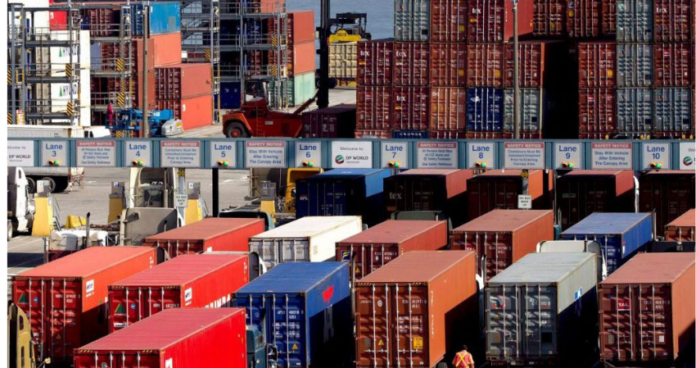
China’s Shandong Xinxu Group has expressed strong interest in establishing a €1 billion to €2 billion Integrated Maritime Industrial Complex (IMIC) at Port Qasim, a move that could transform Pakistan’s maritime and heavy industrial landscape.
The proposal includes major investments in shipbuilding, shipbreaking, and steel production all linked directly with port operations.
A three-tier industrial plan for Port Qasim
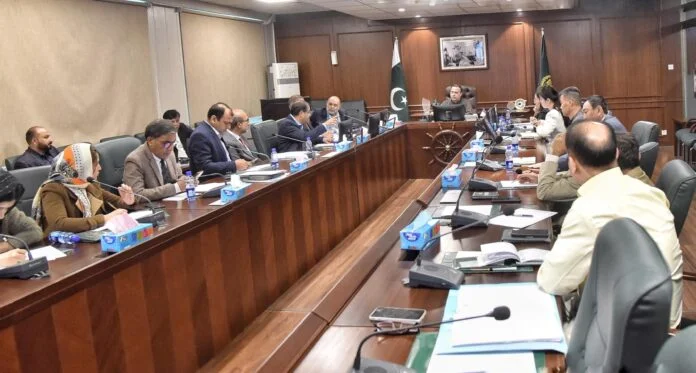
During a meeting with Federal Minister for Maritime Affairs Muhammad Junaid Anwar Chaudhry, a five-member Chinese delegation led by Chairman Hou Jianxin outlined the core structure of the IMIC. According to officials, the project consists of three major components:
The first is the revival of the Iron Ore and Coal Berth (IOCB) commonly referred to as the steel jetty.
Originally designed to handle bulk cargo for Pakistan Steel Mills, this berth can receive vessels between 55,000 and 75,000 deadweight tons and is connected to the steel mill through a multi-kilometer conveyor system.
The second component includes the development of modern shipbuilding and shipbreaking facilities. While the third focuses on setting up a steel mill integrated with port infrastructure to maximize efficiency and reduce import dependency.
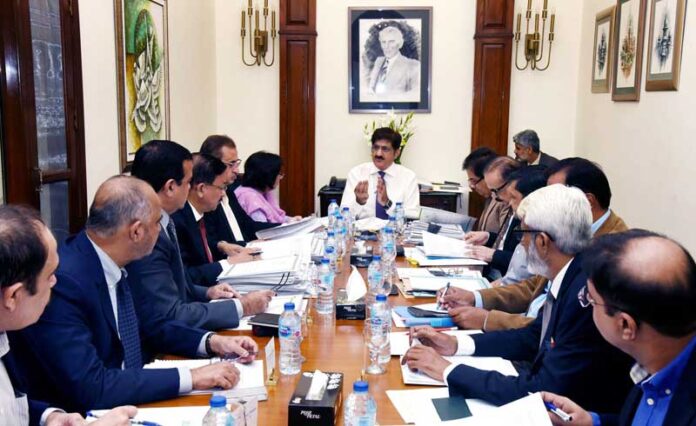
The maritime minister welcomed the investment and instructed the delegation to submit an unsolicited proposal detailing technical, financial, and environmental aspects.
A joint committee comprising Ministry of Maritime Affairs officials and representatives of Shandong Xinxu Group will review the proposal once submitted.
Strategic benefits and Pakistan’s “Steel-to-Green Sea” vision
Minister Chaudhry emphasized that any future development must be aligned with Pakistan’s priorities, particularly job creation, value addition, and environmental sustainability.
The IMIC concept was initially introduced in November 2025 at a Port Qasim Authority event. Where Port Qasim was recognized as the world’s ninth most improved container port.
Branded as the “Steel-to-Green Sea” initiative, the proposal links ship recycling with domestic steel production, promoting a cleaner industrial ecosystem and reducing reliance on imported raw materials.
If approved, the project would stand as one of Pakistan’s most significant recent foreign investments, positioning Port Qasim as a rising regional hub for heavy industry, maritime services, and logistics.
Read more: Taliban’s Push for India Ties Fuels Political Campaign Against Pakistani Medicines